
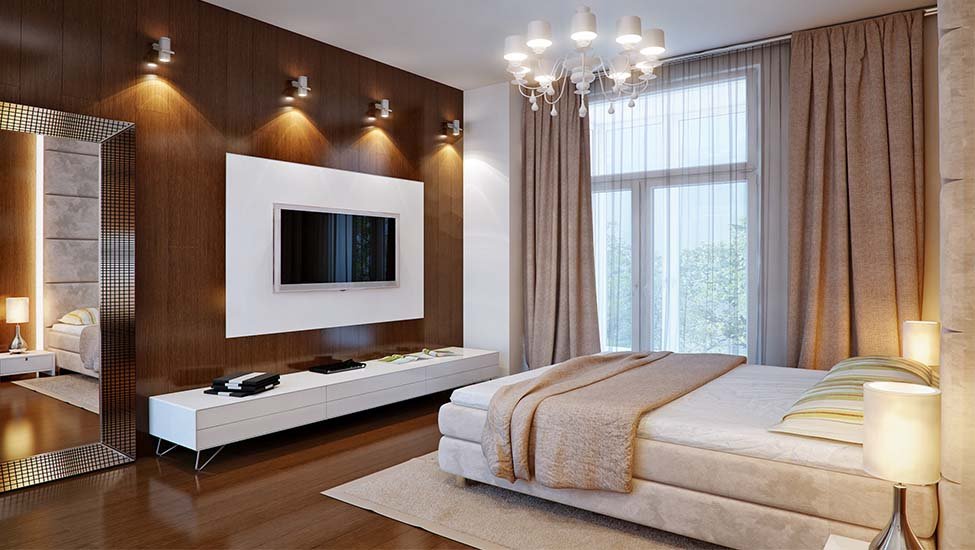
Creating a comfortable and secure environment at home depends heavily on the way each space is illuminated. The types of home lighting you choose impact not only the mood and aesthetics but also the functionality and safety of every room. Whether you’re updating a single area or planning a full lighting overhaul, understanding the main categories of lighting and how to use them effectively is essential for a well-lit, inviting, and hazard-free living space.
In this guide, we’ll break down the primary lighting types, their roles in your home, and practical tips for selecting the right fixtures and bulbs. For a broader overview of lighting fundamentals, you might find What is home lighting helpful as a starting point.
Understanding the Main Lighting Categories
Every effective lighting plan relies on three core categories: ambient lighting, task lighting, and accent lighting. Each serves a different purpose, and combining them creates a balanced, functional, and visually appealing atmosphere.
- Ambient Lighting: This is the general illumination that fills a room, allowing you to move around safely and comfortably. Ceiling-mounted fixtures, recessed lights, and large pendants are common sources.
- Task Lighting: Designed to illuminate specific areas for activities like reading, cooking, or working. Desk lamps, under-cabinet lights, and vanity lights are typical examples.
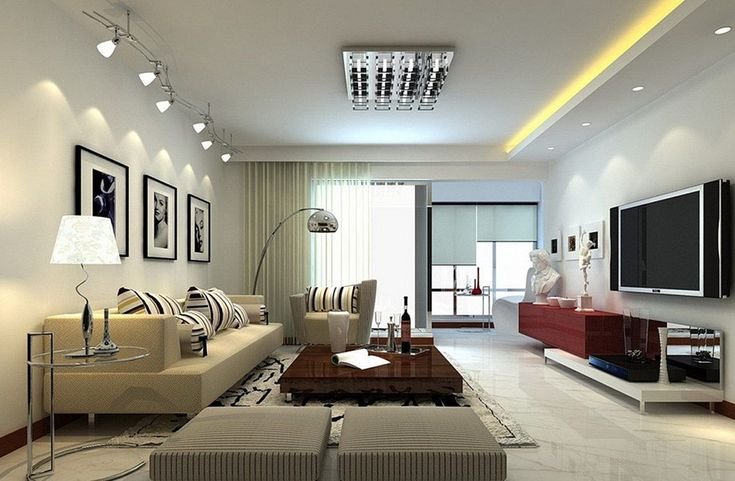
- Accent Lighting: Used to highlight architectural features, artwork, or decor. Wall sconces, track lights, and spotlights add depth and visual interest.
Layering these types ensures that each room is both practical and visually pleasing. For more essential advice, see home lighting basics for a brighter, safer space.
Ambient Lighting: The Foundation of Every Room
Often called general lighting, ambient fixtures provide the base level of brightness in a space. The goal is to create even illumination that makes navigation safe and comfortable, reducing shadows and dark corners.
Popular choices for ambient lighting include:
- Ceiling-mounted fixtures (flush or semi-flush)
- Recessed can lights for a streamlined look
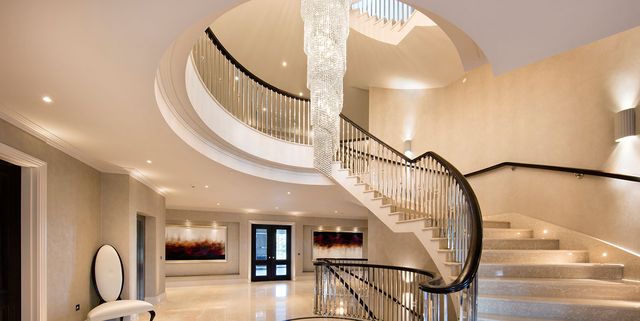
- Large pendant lights or chandeliers in living rooms and entryways
- Wall-mounted fixtures for hallways and staircases
When selecting bulbs, opt for energy-efficient LEDs with a color temperature that matches the room’s purpose—warmer tones for relaxation, cooler tones for workspaces. Dimmers can add flexibility, allowing you to adjust the mood as needed.
Task Lighting: Focused Illumination for Daily Activities
Task lighting is essential for performing activities that require concentration and clarity. Reading, cooking, grooming, and working all benefit from targeted light sources that reduce eye strain and improve accuracy.
- Desk and table lamps for home offices and study areas
- Under-cabinet lights in kitchens for food prep
- Vanity lights in bathrooms for grooming
- Bedside lamps for nighttime reading
For safety, consider motion-activated night lights in hallways, bathrooms, or children’s rooms. These provide gentle illumination during nighttime hours, reducing the risk of trips and falls. For more on keeping your home safe, the article on home lighting safety tips offers practical guidance.
Accent Lighting: Adding Depth and Character
Accent lighting brings dimension and personality to your home by drawing attention to specific features. It can transform a plain wall, highlight artwork, or showcase architectural details.
- Track lighting to spotlight art or collectibles
- Wall sconces for decorative flair
- LED strip lights under shelves or cabinets
- Spotlights to emphasize plants or sculptures
The key to effective accent lighting is subtlety—these fixtures should complement, not overpower, the room’s main light sources. Adjustable fixtures allow you to direct light exactly where it’s needed.
Specialty Lighting for Safety and Comfort
Beyond the three main categories, certain lighting solutions are designed with safety and convenience in mind. Night lights, motion sensors, and smart bulbs can make your home more accessible and secure, especially for children, seniors, or anyone with mobility challenges.
- LED night lights in hallways and bathrooms
- Motion sensor lights near stairs or entryways
- Smart lighting systems for remote control and automation
These options help prevent accidents and provide peace of mind, especially during nighttime hours or in high-traffic areas.
Choosing the Right Fixtures and Bulbs
Selecting the best lighting for each room involves more than just style. Consider these practical tips:
- Match the fixture to the function: Use bright, even light for kitchens and workspaces; softer, warmer light for bedrooms and living rooms.
- Prioritize energy efficiency: LED bulbs last longer and use less energy than traditional incandescent options.
- Think about placement: Layer lights at different heights and locations to reduce shadows and create a balanced effect.
- Use dimmers and controls: Adjustable lighting lets you set the mood and save energy.
For more in-depth technical advice, the Lighting 101 guide offers a comprehensive look at fixture types, bulb selection, and installation tips.
Integrating Lighting for a Safer Home
A well-designed lighting plan does more than enhance appearance—it also supports safety and accessibility. Here are a few strategies to keep in mind:
- Illuminate entryways and stairs: Use bright, glare-free lights to prevent trips and falls.
- Light outdoor paths and porches: Motion-activated fixtures deter intruders and guide guests safely.
- Install switches at room entrances: Easy access to controls reduces the need to cross dark spaces.
- Consider backup lighting: Battery-powered or solar lights provide emergency illumination during outages.
For a deeper dive into why lighting is so important for comfort and safety, see the article on importance of home lighting.
Frequently Asked Questions
What are the three main types of lighting used in homes?
The three primary types are ambient lighting (general illumination), task lighting (focused for activities), and accent lighting (for highlighting features). Combining these creates a balanced and functional environment.
How can I make my home lighting safer?
Use bright, even light in high-traffic areas, add motion sensor or night lights in hallways and bathrooms, and ensure switches are easy to reach. For more tips, review home lighting safety tips.
What is the best type of bulb for energy efficiency?
LED bulbs are the most energy-efficient and long-lasting option for most fixtures. They come in a range of color temperatures and brightness levels to suit any room.
How do I choose the right lighting for each room?
Consider the room’s function: use bright, cool light for kitchens and offices, and softer, warmer light for bedrooms and living spaces. Layer different types of lighting for flexibility and comfort.