As people age, maintaining a safe and comfortable home becomes increasingly important. Many older adults face challenges with home repairs due to limited income or physical limitations. Fortunately, state home repair grants for elderly residents are available in many areas, providing essential financial support for critical improvements. These programs help seniors remain in their homes longer and enjoy a better quality of life.
Understanding the types of grants available, eligibility requirements, and the application process can make a significant difference for families and individuals seeking assistance. This article explores the main options, practical steps, and key resources to help you or your loved ones access these valuable programs.
If you are looking for more ways to support aging in place, you may also find our resource on free home repairs for elderly helpful. It covers additional programs and practical tips for seniors and their families.
Understanding State-Funded Home Repair Assistance
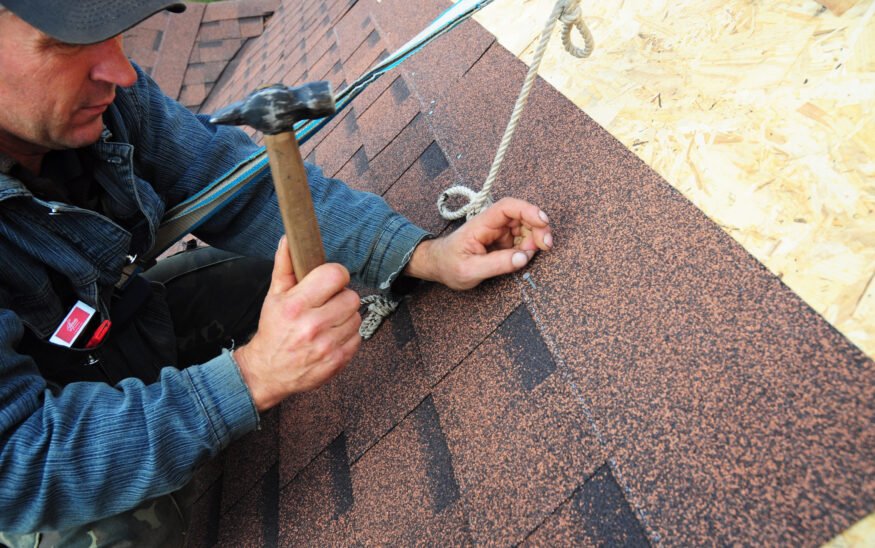
State and local governments often partner with federal agencies to provide home repair grants for seniors. These grants are designed to address health, safety, and accessibility concerns in older adults’ homes. Common repairs include roof replacement, plumbing, electrical updates, and accessibility modifications such as ramps or grab bars.
While some programs offer direct grants, others provide low-interest loans or a combination of both. The primary goal is to help seniors live safely and independently for as long as possible.
Types of Home Repair Grants for Seniors
Several types of financial assistance are available, depending on your location and specific needs. Here are the most common options:
- Federal Grants: Programs like the USDA Section 504 Home Repair program offer grants and loans to low-income seniors in rural areas for essential repairs and upgrades.
- State and Local Grants: Many states run their own home repair initiatives, often targeting seniors, veterans, or those with disabilities.
- Nonprofit and Community Programs: Local organizations sometimes provide additional support, including volunteer labor or matching funds.

Eligibility Criteria for State Home Repair Assistance
Each state sets its own eligibility guidelines, but most programs share common requirements. Typically, applicants must:
- Be at least 62 years old or meet the program’s definition of “elderly”
- Own and occupy the home as a primary residence
- Meet income limits, which vary by location and household size
- Demonstrate a need for repairs that affect health, safety, or accessibility
Some programs prioritize applicants with the greatest need or those living in specific areas, such as rural communities or low-income neighborhoods. Documentation such as proof of income, age, and home ownership is usually required.
How to Apply for Senior Home Repair Grants
The application process can differ by state and program, but it generally involves several key steps:
- Research Available Programs: Start by contacting your state’s housing agency or local Area Agency on Aging. They can provide information on available grants and help you determine eligibility.
- Gather Documentation: Prepare documents such as proof of age, income, home ownership, and details about the needed repairs.
- Submit an Application: Complete the required forms, either online or in person. Some programs may require a home inspection or contractor estimates.
- Wait for Approval: Processing times vary, but you may be contacted for additional information or a home visit.
- Complete Repairs: If approved, funds are typically paid directly to contractors or reimbursed after work is completed.
For more details on the process and tips for a successful application, you can read this comprehensive overview of home repair assistance for seniors.
Common Repairs Covered by Elderly Home Grants
Grants for older homeowners often focus on repairs that improve safety, accessibility, and energy efficiency. Typical projects include:
- Roof repairs or replacement
- Electrical and plumbing updates
- Heating and cooling system improvements
- Installation of ramps, grab bars, or wider doorways
- Bathroom modifications to prevent falls
- Weatherization and insulation upgrades
These upgrades can make a significant difference in daily living and help prevent accidents or costly emergency repairs.

Additional Resources and Related Programs
In addition to state-funded grants, there are other resources that can help seniors maintain their homes:
- Low income senior home improvement programs offer further support for those on a tight budget.
- Nonprofit organizations like Rebuilding Together and Habitat for Humanity often provide volunteer-based repair services.
- Local utility companies may have weatherization or energy efficiency programs for older adults.
For those concerned about safety, consider reading about lighting for garden safety or lighting for water hazards to prevent accidents around the home.
Tips for a Successful Grant Application
Applying for state home repair grants for elderly residents can be competitive. Here are some tips to improve your chances:
- Apply as early as possible, as funds are often limited and distributed on a first-come, first-served basis.
- Be thorough and accurate with your application and documentation.
- Seek help from local agencies or nonprofit organizations if you need assistance with paperwork.
- Keep copies of all submitted materials and correspondence.
- Follow up with the agency if you have not received a response within the expected timeframe.
Frequently Asked Questions
What types of repairs are usually covered by senior home repair grants?
Most programs cover essential repairs that address safety, health, or accessibility. This can include fixing roofs, updating electrical or plumbing systems, installing ramps, and making bathrooms safer for mobility.
Are these grants available in every state?
While most states offer some form of home repair assistance for seniors, the specific programs, eligibility criteria, and funding levels vary. It’s important to check with your state’s housing agency or local Area Agency on Aging for details.
Can renters qualify for elderly home repair grants?
Most grants are intended for homeowners, but some programs may offer assistance to renters with the landlord’s cooperation. Always check the requirements of each program before applying.
How do I find out if I qualify for a grant?
Contact your local housing authority, Area Agency on Aging, or visit your state’s official website. They can guide you through eligibility requirements and help you start the application process.
Conclusion
Accessing state home repair grants for elderly individuals can make a significant difference in maintaining a safe and comfortable living environment. By understanding the available options, meeting eligibility requirements, and following the application process, seniors and their families can secure the support needed for essential home improvements. For more comprehensive guidance, explore related resources and stay proactive in seeking assistance.