
Ensuring the safety of older adults at home is a top priority for families and caregivers. One of the most effective ways to protect seniors from fire hazards is by properly installing and maintaining smoke alarms. As people age, mobility and sensory changes can make it harder to respond quickly in emergencies, making early detection through reliable smoke detectors even more crucial.
This guide covers essential tips and best practices for smoke detector installation for elderly residents, including placement, maintenance, and support resources. We’ll also highlight available assistance programs and practical steps to create a safer living environment for seniors.
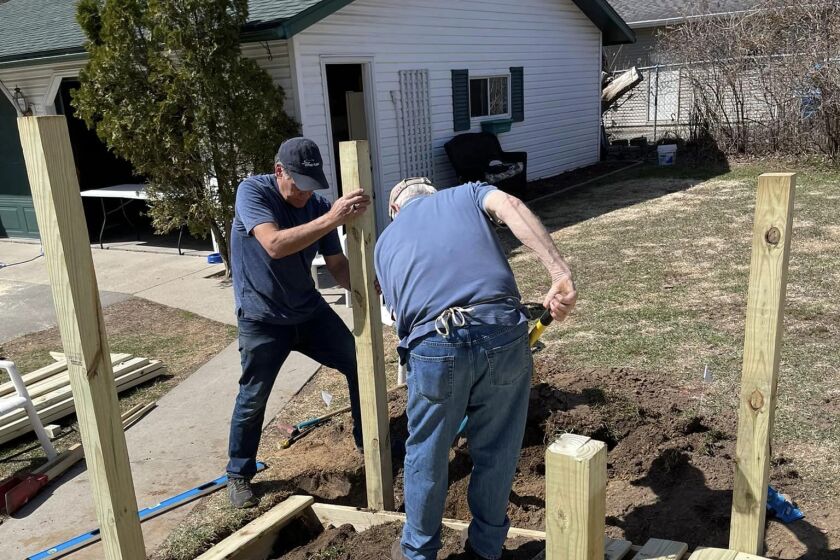
For seniors who are veterans, there are additional resources that can help with home safety improvements. Learn more about veterans home repair benefits for seniors to see if you or your loved one qualifies for assistance.
Why Proper Smoke Alarm Placement Matters for Seniors
The risk of injury or death from residential fires increases with age. Seniors may have reduced hearing, slower reaction times, or limited mobility, making it harder to escape quickly. That’s why smoke detector installation for elderly residents requires careful planning and attention to detail.
- Early warning is critical for giving seniors enough time to evacuate safely.
- Proper placement ensures alarms are heard throughout the home, even with closed doors or hearing impairments.
- Well-maintained detectors reduce false alarms, which can cause confusion or fear.
Best Practices for Installing Smoke Detectors in Senior Homes
When setting up smoke alarms for older adults, consider these guidelines to maximize protection:
- Install alarms on every level of the home, including the basement and attic if accessible.
- Place detectors inside each bedroom and outside all sleeping areas.
- Mount alarms on the ceiling or high on the wall, away from windows, doors, or ducts that could interfere with operation.
- For seniors with hearing loss, use models with strobe lights or bed shakers in addition to audible alerts.
- Test alarms monthly and replace batteries at least once a year, or choose 10-year sealed battery models for less maintenance.

Choosing the Right Smoke Alarm Features for Older Adults
Not all smoke detectors are created equal. When selecting alarms for senior homes, look for features that address common challenges faced by older adults:
- Photoelectric sensors are less likely to trigger false alarms from cooking, making them ideal for kitchens and living spaces.
- Voice alerts can be easier to understand than traditional beeping sounds, especially for those with hearing difficulties.
- Interconnected alarms ensure that if one detector sounds, all alarms in the home will activate, providing maximum coverage.
- Low-maintenance options like sealed lithium battery models reduce the need for frequent battery changes.
For those living in rural areas or with limited resources, government programs can help cover the cost of safety upgrades. Explore the rural development home repair grants for seniors for more information.
Maintenance and Testing: Keeping Alarms Reliable
Regular maintenance is essential for keeping smoke alarms in working order. Seniors and their caregivers should:
- Test each alarm monthly by pressing the test button.
- Replace batteries annually, unless using a 10-year sealed battery model.
- Clean detectors gently with a vacuum or soft brush to remove dust.
- Replace entire units every 10 years, or sooner if recommended by the manufacturer.
If you need urgent help with home safety repairs, check out urgent home repairs for low income seniors to find local support options.
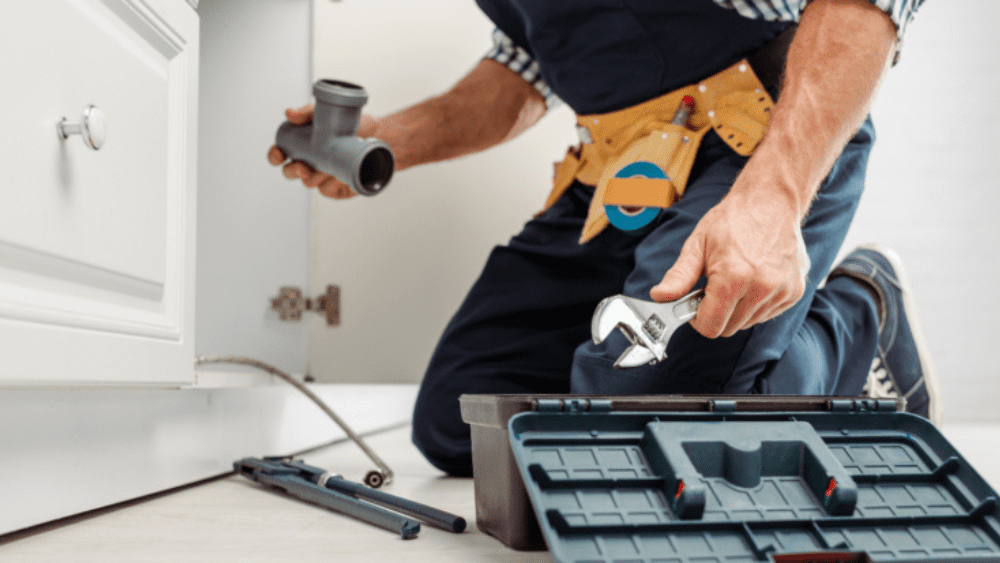
Financial Assistance and Resources for Smoke Alarm Upgrades
Many seniors live on fixed incomes and may struggle to afford new smoke alarms or installation services. Fortunately, there are several programs and resources available:
- Home repair assistance programs for seniors can help cover the cost of smoke detectors and other safety modifications.
- Local fire departments often provide free smoke alarm installation or safety checks for elderly residents.
- Nonprofit organizations may offer grants or volunteer services for home safety improvements.
- For those with Medicaid, some medicaid home modification programs include funding for fire safety devices.
For rural seniors, the USDA home repair programs for seniors may also provide financial support for essential upgrades, including smoke alarm installation.
Additional Safety Tips for Elderly Residents
While installing and maintaining smoke detectors is vital, a comprehensive approach to home safety can further reduce risks. Consider these extra precautions:
- Develop and practice a fire escape plan with clear routes and designated meeting spots.
- Keep pathways and exits free of clutter and obstacles.
- Install nightlights in hallways and near exits to aid visibility during emergencies.
- Consider a monitored alert system for added peace of mind.
Family members and caregivers should regularly review safety procedures and ensure that seniors understand how to respond if an alarm sounds.
Frequently Asked Questions
How often should smoke detectors be tested in senior homes?
It’s recommended to test each smoke alarm at least once a month. This ensures the device is working properly and provides peace of mind for both seniors and their caregivers.
What type of smoke alarm is best for older adults with hearing loss?
For those with hearing impairments, alarms with strobe lights, bed shakers, or voice alerts are ideal. These features provide visual and tactile warnings in addition to sound.
Are there programs that help seniors get free or low-cost smoke detectors?
Yes, many local fire departments, nonprofits, and government agencies offer free or discounted smoke alarms and installation services for seniors. Check with your local fire department or explore home repair assistance programs for seniors for more information.