
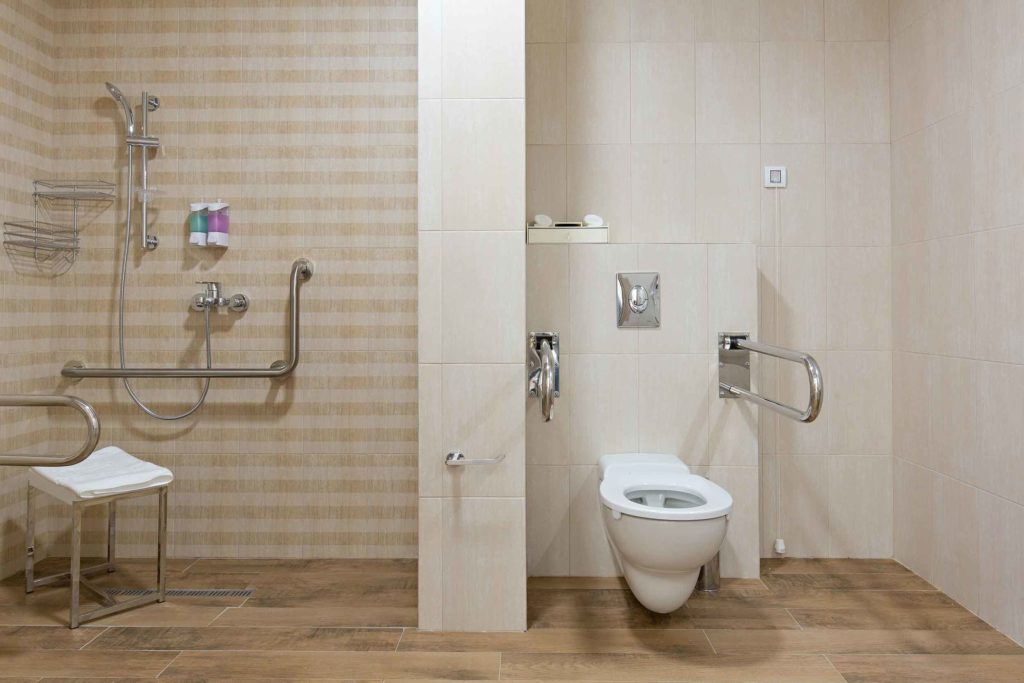
When designing a bathroom, ensuring sloped shower floor safety is crucial. This aspect of bathroom design not only enhances the aesthetics but also significantly improves the functionality and safety of the space. A well-designed slope in the shower floor ensures that water is efficiently directed towards the drain, minimizing the risk of slips and falls. For homeowners, especially those with children or elderly family members, understanding the importance of a properly sloped shower floor can make a significant difference in home safety.
Understanding Shower Floor Slope
The term ‘shower floor slope’ refers to the angle at which the shower floor is inclined towards the drain. This slope is essential in guiding water flow towards the drain, preventing water accumulation, and reducing the risk of slipping. Typically, a standard slope is about 1/4 inch per foot, which is sufficient to ensure proper drainage without causing discomfort while standing.
Why is Shower Floor Slope Important?
Adequate shower floor slope is important for several reasons. Primarily, it aids in water management, preventing puddles from forming in the shower area. This reduces the likelihood of mold growth and maintains a clean, dry bathroom environment. In addition, a well-sloped floor plays a critical role in sloped shower floor safety, as it minimizes the potential for accidents.
Common Mistakes in Shower Floor Design
When installing a shower floor, certain common mistakes can compromise safety. One frequent error is insufficient slope, which can lead to water pooling. Another mistake is using the wrong type of tile, which can be too slippery when wet. Homeowners should consult with professionals to ensure these aspects are correctly addressed.
Choosing the Right Materials
Choosing the right materials for your shower floor is crucial in enhancing safety. Opt for tiles with a textured surface to provide better grip. Consider using materials like non-slip tiles or pebble stone, which not only enhance safety but also add a unique aesthetic to your bathroom. Our internal guide on bathroom tiles offers excellent options for ensuring safety.
Installation Tips for Homeowners
For homeowners considering DIY installations, understanding the basics of shower floor slopes is essential. Ensure that the slope is consistent and meets the minimum requirement of 1/4 inch per foot. Additionally, using a waterproof membrane can help prevent water from seeping into the subfloor, prolonging the life of your bathroom. Learn more about bathroom safety features like waterproof mats to improve your bathroom safety.
Professional Installation vs. DIY
While DIY projects can be rewarding, the complexity of shower floor installation often requires professional expertise. Professionals can ensure that the slope is accurately measured and that the right materials are used, providing peace of mind and enhancing sloped shower floor safety.
Maintaining a Safe Shower Environment
Once your shower floor is installed, maintaining its condition is crucial for ongoing safety. Regular cleaning prevents soap scum buildup, which can make surfaces slippery. Additionally, checking the integrity of the grout and tiles can prevent water damage. Adding LED safety lights can further enhance visibility and safety in your bathroom.
Enhancing Safety for Seniors
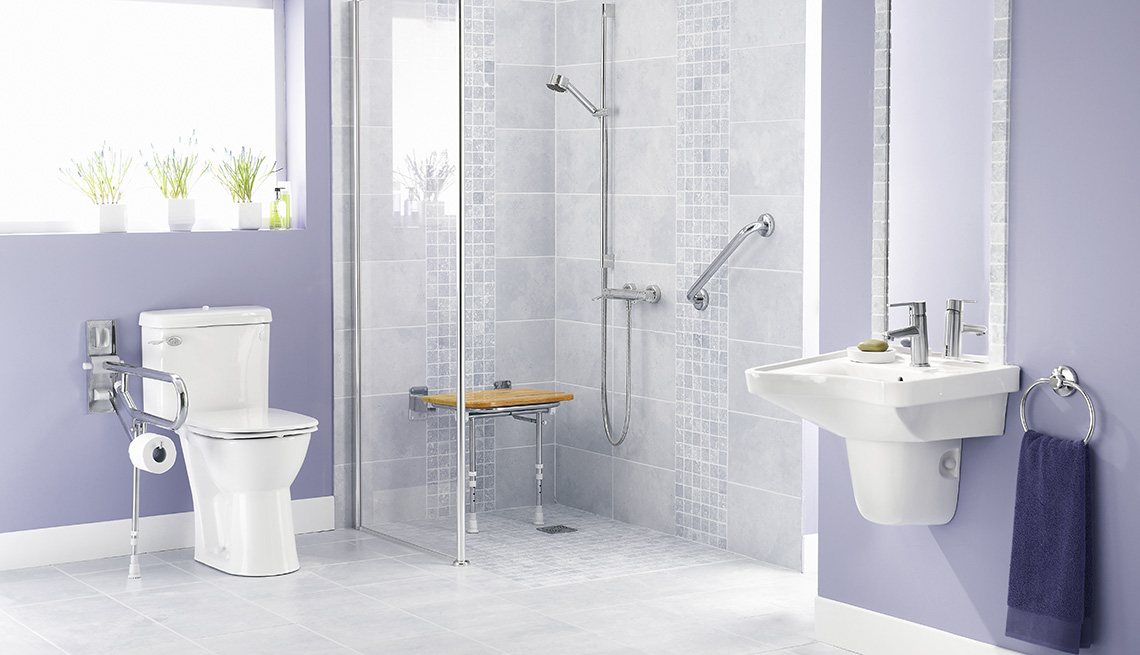
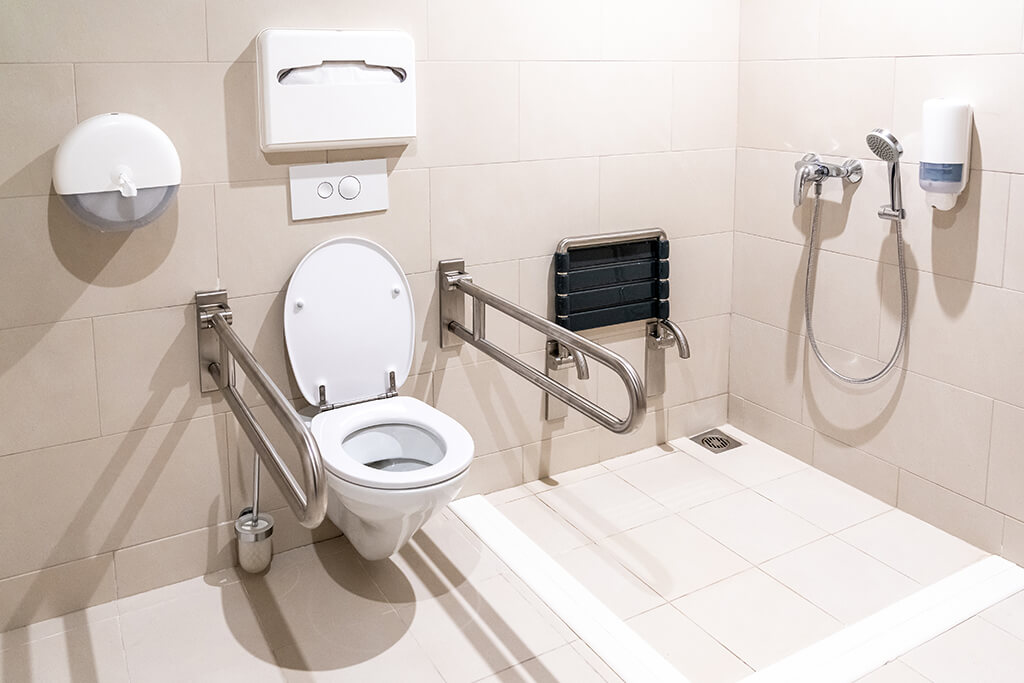
For homes with elderly residents, additional safety measures are essential. Installing grab bars and using shower chairs can significantly enhance safety. Consider consulting resources like this guide for more tips on making your bathroom senior-friendly.
Conclusion
Ensuring sloped shower floor safety is a critical aspect of bathroom design that should not be overlooked. With the right materials, proper installation, and regular maintenance, homeowners can create a safe, functional, and aesthetically pleasing shower environment. Whether opting for professional installation or a DIY approach, understanding the importance of the shower floor slope will help prevent accidents and maintain a safe home for all residents.
FAQs
What is the ideal slope for a shower floor?
The ideal slope for a shower floor is approximately 1/4 inch per foot. This ensures efficient drainage while maintaining comfort and safety.
Can I install a sloped shower floor myself?
While it’s possible to install a sloped shower floor yourself, professional installation is recommended to ensure accuracy and safety. Professional installers have the expertise to handle complex installations, reducing the risk of errors.
What materials are best for a safe shower floor?
Textured tiles, non-slip tiles, and pebble stones are excellent choices for a safe shower floor. These materials provide better grip and reduce the risk of slipping, enhancing overall sloped shower floor safety.
This article contains affiliate links. We may earn a commission at no extra cost to you.