
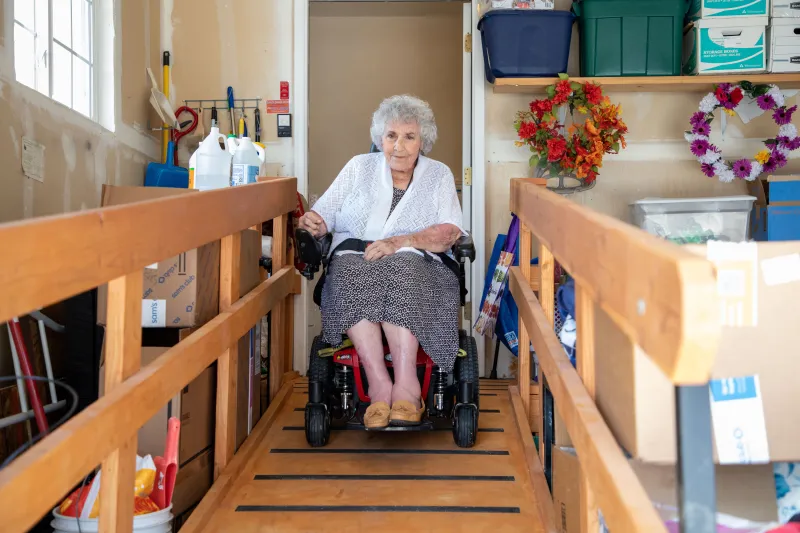
As people age, their homes should adapt to support safety, independence, and well-being. Making a few targeted changes can greatly improve daily life for older adults, helping them stay comfortable and secure in their own space. This guide explores practical and simple home upgrades for elderly comfort, focusing on solutions that are affordable, effective, and easy to implement.
Many of these improvements can be done without major renovations, and some may even qualify for financial support or tax credits. If you’re interested in learning about ways to save on energy bills while making your home safer, take a look at our energy assistance programs for elderly guide.
Why Focus on Comfort and Safety for Seniors?
As mobility, vision, and strength change with age, everyday tasks can become more challenging. Simple adjustments to the living environment can prevent falls, reduce strain, and promote confidence. Prioritizing comfort and safety not only supports independence but also brings peace of mind to families and caregivers.
Key Areas for Simple Home Upgrades
There are several areas in the home where small changes can make a big difference. Below are some of the most impactful upgrades for enhancing comfort and safety for older adults.
Improving Accessibility in Entryways and Hallways
Entryways and hallways are high-traffic areas that should be clear and easy to navigate. Consider these adjustments:
- Install sturdy handrails on both sides of stairs and hallways.
- Use non-slip mats or runners to reduce the risk of slipping.
- Ensure doorways are wide enough for walkers or wheelchairs, if needed.
- Remove clutter and obstacles from walkways.
Bathroom Modifications for Senior Comfort
The bathroom is a common site for slips and falls. Simple improvements can significantly boost safety and ease of use:
- Add grab bars near the toilet and inside the shower or bathtub.
- Use a raised toilet seat to make sitting and standing easier.
- Install a walk-in shower or tub, or use a sturdy shower chair.
- Place non-slip mats inside and outside the tub or shower.
For more information on accessible bathing options, see our resource on walk in tub assistance programs.
Lighting and Visibility Enhancements
Good lighting is essential for preventing accidents and supporting daily activities. Consider these upgrades:
- Replace dim bulbs with bright, energy-efficient LEDs.
- Install night lights in hallways, bathrooms, and bedrooms.
- Add motion-sensor lights near stairs and entryways.
- Use contrasting colors for walls, floors, and furniture to improve depth perception.
Kitchen Adjustments for Ease and Safety
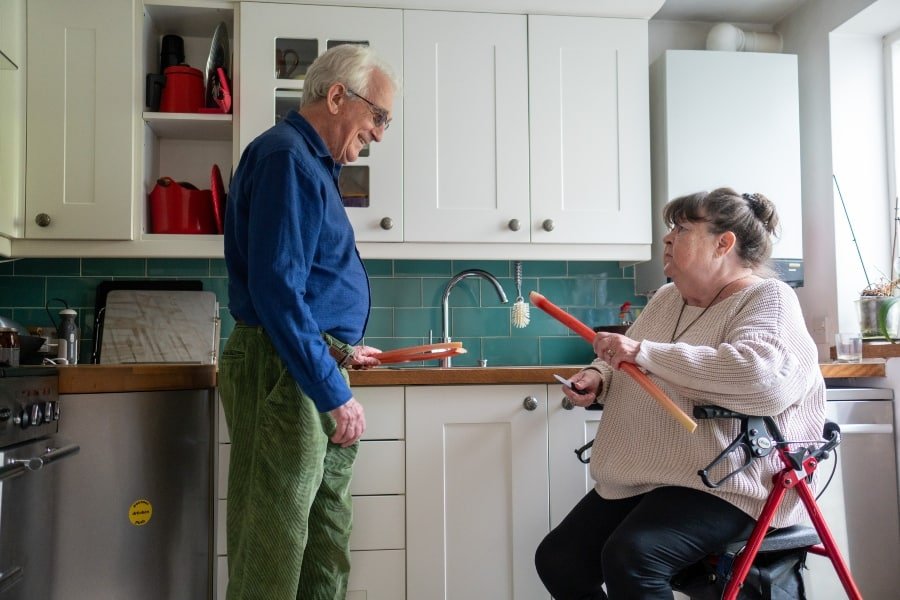
The kitchen can be made safer and more comfortable with a few thoughtful changes:
- Lower shelves and frequently used items for easy reach.
- Use lever-style handles on faucets and cabinets.
- Install anti-scald devices on faucets to prevent burns.
- Keep a fire extinguisher within easy reach and ensure smoke detectors are working.
Affordable Solutions for Elderly Home Comfort
Many upgrades are budget-friendly and can be done as DIY projects. For those seeking more ideas, our DIY home safety improvements for seniors guide offers practical tips.
Some improvements may qualify for financial support. Programs at the federal, state, and local levels can help cover costs for seniors making necessary home changes. For example, the U.S. government provides a range of home repair and modification programs for older adults that can assist with funding.
Tax Credits and Utility Assistance
In addition to grants and loans, certain home modifications may be eligible for tax deductions or credits. Learn more about potential savings in our home improvement tax credits for elderly article.
Utility bills can also be a concern for seniors, especially when adding new lighting or safety devices. Explore local and national utility bill assistance programs for seniors to help manage these costs.
Emergency Preparedness and Alert Systems
Peace of mind is important for both seniors and their loved ones. Installing an emergency alert system allows older adults to call for help quickly if needed. These devices are easy to set up and can be worn as a pendant or bracelet.
Other preparedness steps include:
- Keeping emergency contact numbers near each phone.
- Storing flashlights and batteries in accessible locations.
- Ensuring smoke and carbon monoxide detectors are installed and tested regularly.
Frequently Asked Questions
What are the most important home upgrades for elderly comfort?
The most impactful changes are those that address safety and accessibility, such as installing grab bars, improving lighting, and removing tripping hazards. Small adjustments in the bathroom, kitchen, and entryways can make daily activities much easier and safer.
Are there financial assistance programs for senior home modifications?
Yes, several programs exist at the federal, state, and local levels to help cover the cost of home modifications for older adults. Some improvements may also qualify for tax credits or deductions. For more details, visit the government’s home repair and modification programs page.
Can I make these upgrades myself, or do I need a professional?
Many simple upgrades, such as adding non-slip mats, installing night lights, or placing grab bars, can be done as DIY projects. For more complex changes, like widening doorways or installing walk-in tubs, it may be best to consult a professional contractor.
Thoughtful, straightforward improvements can transform a house into a safer, more comfortable home for seniors. By focusing on accessibility, safety, and convenience, older adults can continue to enjoy their independence and quality of life.