As people age, maintaining a safe and comfortable home environment becomes increasingly important. Many older adults face challenges with home repairs, accessibility, and safety modifications, especially when living on a fixed income. Rebuilding together senior home assistance programs aim to address these needs, offering practical solutions and resources that help seniors remain independent in their own homes.
This guide explores the essentials of home assistance for older adults, including available services, how to qualify, and where to find additional support. Whether you’re a senior, a caregiver, or a family member, understanding these options can make a significant difference in quality of life and peace of mind.
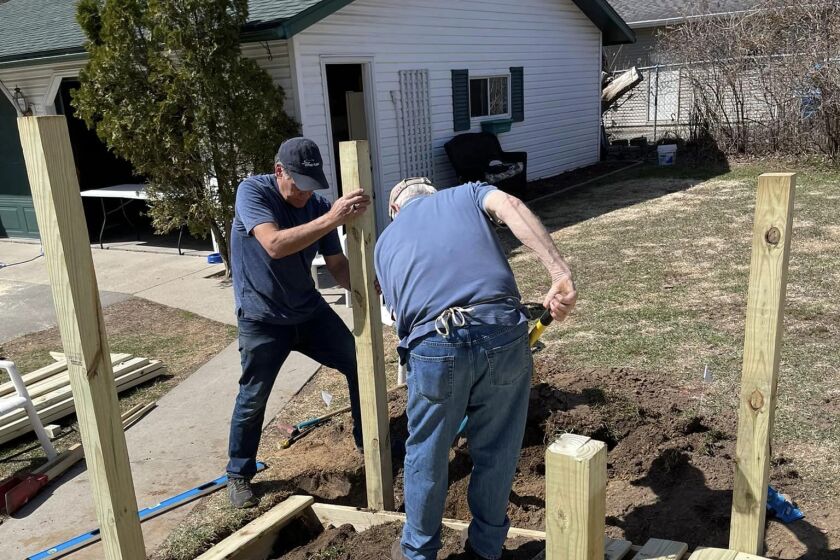
For those seeking more targeted support, there are dedicated resources on free home repairs for elderly and low income senior home improvement programs that can provide additional guidance and assistance.
Understanding Home Assistance Programs for Seniors
Home assistance initiatives for older adults are designed to help with essential repairs, safety upgrades, and accessibility improvements. These programs often focus on making homes safer by installing grab bars, ramps, improved lighting, and fixing structural issues that could pose a risk to mobility or health.
Many organizations, both national and local, offer these services at low or no cost to qualifying seniors. The goal is to reduce hazards and support aging in place, allowing individuals to stay in familiar surroundings for as long as possible.
Key Services Offered by Rebuilding Together and Similar Programs
Rebuilding together senior home assistance initiatives typically provide a range of services tailored to the unique needs of older adults. Some of the most common offerings include:
- Home Safety Assessments: Evaluating the home for potential hazards and recommending improvements.
- Accessibility Modifications: Installing ramps, handrails, and widening doorways to accommodate mobility aids.
- Essential Repairs: Fixing plumbing, electrical issues, roofing, and addressing structural concerns.
- Energy Efficiency Upgrades: Weatherproofing, insulation, and energy-saving improvements to lower utility costs.
- Fall Prevention: Improving lighting, removing tripping hazards, and adding non-slip surfaces.

These services not only enhance safety but also contribute to a sense of dignity and independence for seniors. For more ideas on improving home safety, especially outdoors, consider reading about lighting for garden safety and lighting for rainy conditions.
Eligibility and How to Apply for Senior Home Assistance
Most home repair and modification programs have specific eligibility criteria. Common requirements include age (typically 60 or older), income limits, and homeownership status. Some programs may also prioritize individuals with disabilities or those at higher risk of falls and injuries.
The application process usually involves submitting proof of income, age, and residence. Some organizations may conduct a home visit to assess needs before approving assistance. It’s important to gather all necessary documentation and reach out to local agencies or nonprofits for guidance.
Maximizing Safety and Comfort at Home
In addition to major repairs, small changes can make a big difference in daily living. Simple upgrades like improved lighting, non-slip mats, and emergency alert systems can significantly reduce the risk of accidents. For homes with water features or areas prone to moisture, specialized solutions such as lighting for water hazards can further enhance safety.
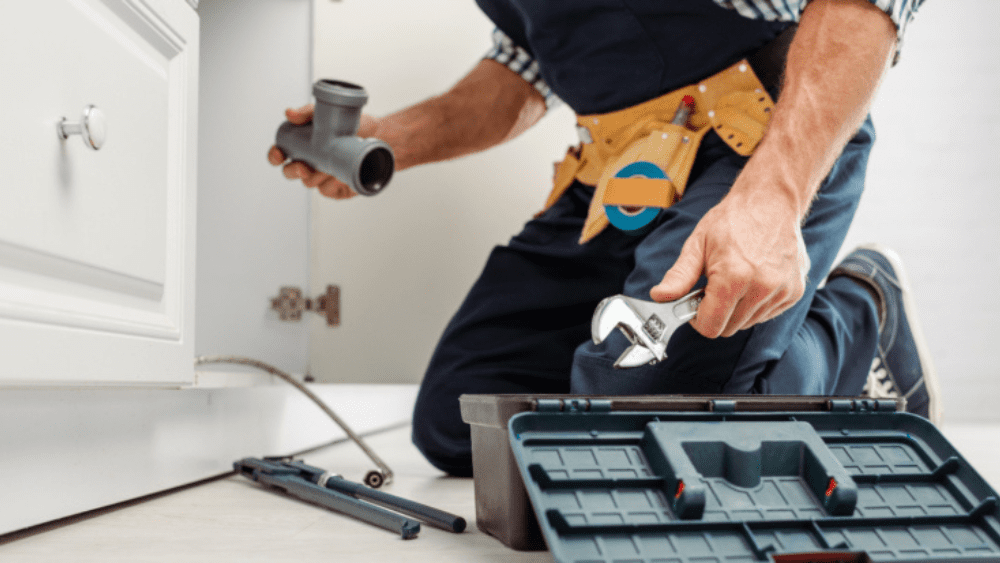
For those who cannot afford repairs, there are several sources of home repair assistance for seniors that can help cover costs or provide volunteer labor. Exploring these options can ensure that even those on limited budgets receive the support they need.
Additional Resources for Senior Home Repair and Support
Beyond the core services, many communities offer supplemental programs such as meal delivery, transportation, and social activities that can further support independent living. Staying connected with local senior centers, faith-based organizations, and government agencies can open doors to valuable resources.
It’s also worth consulting with healthcare providers or occupational therapists, who can recommend specific home modifications based on individual health needs. Many professionals are familiar with local programs and can help navigate the application process.
Frequently Asked Questions
What types of repairs are typically covered by senior home assistance programs?
Most programs focus on essential repairs that impact safety and accessibility. This includes fixing electrical or plumbing issues, repairing roofs, installing ramps or grab bars, and improving lighting. Some may also offer weatherization and energy efficiency upgrades.
How can I find out if I qualify for home repair assistance?
Eligibility is usually based on age, income, and homeownership. Contact local nonprofits, government agencies, or organizations like Rebuilding Together to learn about specific requirements and start the application process.
Are there resources for seniors who rent their homes?
While many programs prioritize homeowners, some offer support for renters, especially if modifications are needed for accessibility. It’s important to check with local agencies and discuss options with landlords, as some improvements may require their approval.
Can family members or caregivers apply on behalf of a senior?
Yes, in many cases, family members or caregivers can assist with the application process or act as representatives, especially if the senior has mobility or cognitive challenges.
Conclusion
Navigating the world of rebuilding together senior home assistance can feel overwhelming, but with the right information and resources, it’s possible to create a safer, more comfortable living environment for older adults. Taking advantage of available programs, making thoughtful home modifications, and staying informed about local support services can help seniors maintain their independence and well-being for years to come.