
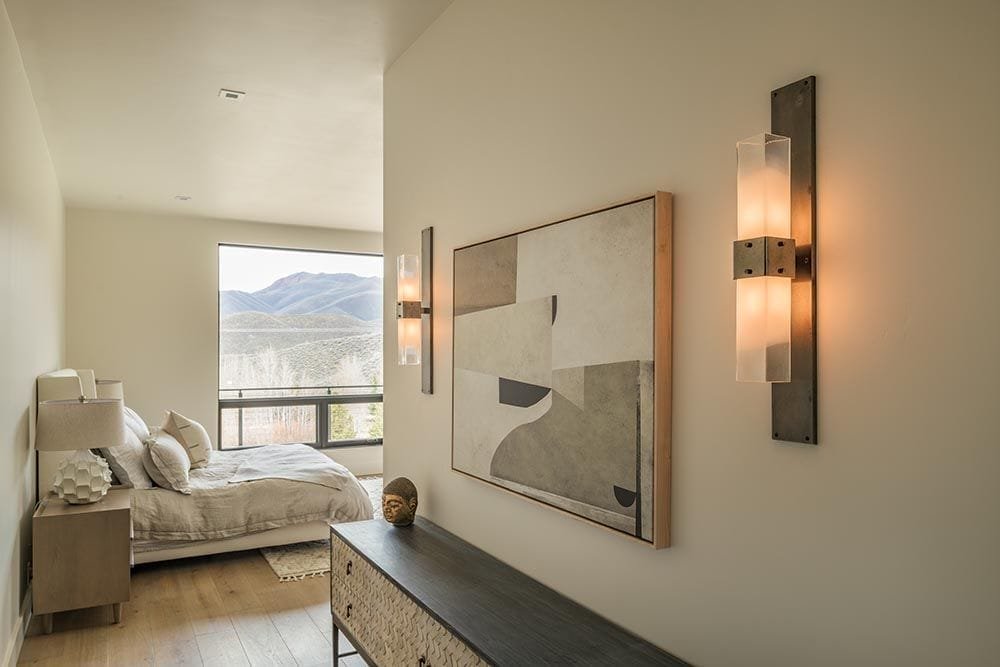
Ensuring your home is well-lit at night is one of the most effective ways to reduce the risk of accidents and create a safer environment for everyone. From preventing trips and falls to deterring unwanted visitors, the right approach to night lighting for safety can make a significant difference in your household’s well-being. This guide explores practical strategies, recommended products, and expert tips to help you illuminate your living spaces effectively after dark.
Understanding the importance of thoughtful illumination is key to creating a secure and comfortable home. If you’re interested in a broader overview of lighting principles, consider reading What is home lighting for foundational knowledge.
Why Proper Nighttime Illumination Matters
Many household accidents occur during the evening or overnight hours, often due to poor visibility. Night lighting for safety is essential for minimizing hazards such as tripping over obstacles, missing steps, or bumping into furniture. For families with children, seniors, or anyone with limited mobility, the right lighting can be a crucial preventive measure.
Beyond accident prevention, well-placed lights can also deter intruders and provide peace of mind. According to this overview of home lighting types, the strategic use of night lights and motion sensors can enhance both convenience and security.
Key Areas to Illuminate for Home Safety
To maximize the benefits of nighttime lighting, focus on the most commonly used and high-risk areas in your home. Here are some critical spots to consider:
- Hallways and Staircases: These are frequent sites of nighttime accidents. Install low-level lights or motion-activated fixtures to guide safe passage.
- Bathrooms: A dim night light can prevent slips and falls during late-night visits without disturbing sleep.
- Bedrooms: Place soft lights near the bed or along the floor to help with orientation if you need to get up at night.
- Entryways and Exits: Outdoor and indoor entry points should be well-lit to prevent stumbling and to improve security.
- Kitchens: Under-cabinet or toe-kick lights can make midnight snacks or water runs safer.
For more practical advice on creating a brighter, safer space, explore home lighting basics for essential tips.
Types of Night Lights and Safety Fixtures
There are several lighting solutions designed specifically for nighttime safety. Choosing the right type depends on your household needs and preferences:
- Plug-in Night Lights: Simple and affordable, these are ideal for hallways, bathrooms, and children’s rooms. Many models offer dusk-to-dawn sensors.
- LED Motion Sensor Lights: These activate only when movement is detected, saving energy and providing light exactly when needed.
- Recessed Step Lights: Installed along stairs or walls, these provide subtle, low-glare illumination for safe navigation.
- Smart Lighting Systems: App-controlled or voice-activated lights can be programmed for specific times or triggered by activity.
- Battery-Operated Fixtures: Useful for areas without outlets or during power outages.

How to Choose the Best Night Lighting for Safety
Selecting the most effective lighting for accident prevention involves considering several factors:
- Brightness: Opt for lights that are bright enough to illuminate hazards but not so intense that they disrupt sleep or cause glare.
- Color Temperature: Warm white or amber tones are less likely to interfere with sleep cycles compared to cool blue lights.
- Placement: Position lights low to the ground or along pathways to highlight potential obstacles without shining directly into eyes.
- Energy Efficiency: LED options are long-lasting and cost-effective, making them ideal for overnight use.
- Automatic Controls: Features like motion sensors or timers ensure lights are only on when needed, reducing energy waste.
For more detailed safety strategies, see home lighting safety tips for actionable recommendations.
Installation Tips for Effective Nighttime Lighting
Proper installation is just as important as choosing the right fixtures. Here are some practical suggestions:
- Test different locations before finalizing placement to ensure optimal coverage and minimal shadows.
- Use adhesive-backed or magnetic lights for easy, tool-free installation in rental properties or temporary setups.
- For staircases and hallways, install lights at intervals of 4–6 feet for consistent illumination.
- Ensure outdoor entryway lights are weather-resistant and positioned to avoid creating dark corners.
- Regularly check and replace batteries or bulbs to maintain reliable operation.
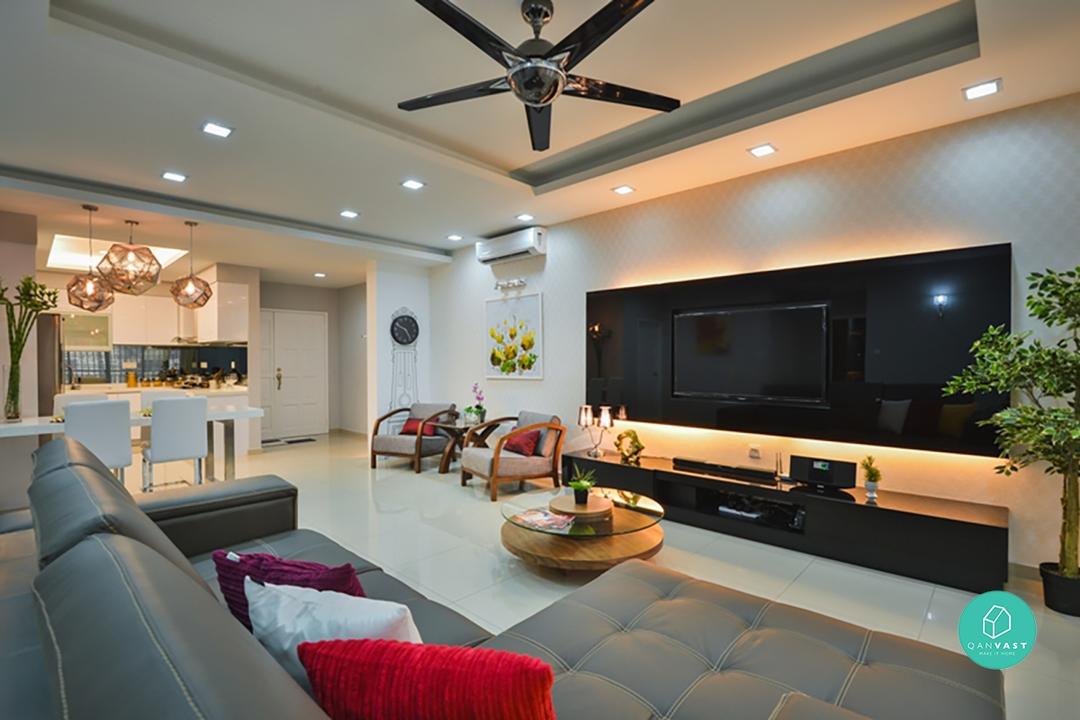
Maintaining and Upgrading Your Nighttime Lighting
Over time, your household’s needs may change, or new technologies may become available. Regularly assess your lighting setup to ensure it continues to provide adequate safety:
- Replace older bulbs with energy-efficient LEDs to reduce costs and maintenance.
- Upgrade to smart lighting systems for greater control and customization.
- Periodically walk through your home at night to identify any dark spots or potential hazards.
- Encourage family members to report any areas where visibility feels insufficient.
For a deeper understanding of why thoughtful lighting design is so important, see importance of home lighting.
Frequently Asked Questions
What is the best type of night light for preventing falls?
The most effective options are LED motion sensor lights or plug-in night lights with a soft, warm glow. These provide enough illumination to see obstacles without being overly bright or disruptive.
Where should I place night lights for maximum safety?
Focus on high-traffic areas such as hallways, staircases, bathrooms, and entryways. Placing lights low to the ground or along pathways helps highlight trip hazards while minimizing glare.
Are smart lighting systems worth the investment for nighttime safety?
Smart lighting can offer added convenience and customization, such as scheduling, remote control, and integration with motion sensors. While not essential, these systems can enhance both safety and energy efficiency, especially in larger homes or for those with specific accessibility needs.
How can I make sure my night lighting doesn’t disturb sleep?
Choose lights with warm color temperatures (around 2700K) and avoid placing them directly in line with beds or sleeping areas. Dimmable options and motion-activated controls can also help minimize sleep disruption.
Thoughtful use of night lighting for safety is a simple yet powerful way to protect your household from preventable accidents and create a more secure, welcoming environment after dark. By selecting the right fixtures, placing them strategically, and maintaining your setup, you can enjoy peace of mind every night.