For many older adults and individuals with disabilities, living safely and independently at home often requires changes to their living environment. Medicaid home modification programs are designed to help eligible individuals access the financial support and resources needed to make essential updates, such as installing ramps, widening doorways, or adding grab bars. These improvements can dramatically reduce fall risks, improve accessibility, and enhance quality of life.
Understanding the options available through Medicaid and related programs is crucial for families and caregivers planning for long-term independence. This article explores how these initiatives work, what modifications are typically covered, and how to start the application process. If you’re also interested in broader support options, you may want to learn more about free home repairs for elderly and other assistance programs.
Understanding Medicaid-Funded Home Modifications
Medicaid is a joint federal and state program that provides health coverage to millions of Americans, including seniors and people with disabilities. In addition to medical care, many state Medicaid plans offer waivers and special programs that help pay for home modifications to support independent living.
These programs are especially valuable for those who wish to age in place or avoid institutional care. Home modifications funded by Medicaid can include both minor and major changes, depending on individual needs and the specific rules in your state.
Types of Modifications Covered by Medicaid
The range of improvements that may be funded through Medicaid home modification programs varies by state and waiver type. However, some common examples include:
- Wheelchair ramps and stair lifts
- Widened doorways and hallways
- Roll-in showers and accessible bathtubs
- Grab bars and handrails in bathrooms and hallways
- Lowered countertops and accessible sinks
- Non-slip flooring
- Automatic door openers
- Improved lighting for safety, such as lighting for garden safety or lighting for rainy conditions
It’s important to note that cosmetic upgrades or general home repairs are typically not covered. The modifications must be medically necessary and directly related to the individual’s disability or health needs.

Eligibility and Application Process
To qualify for assistance, applicants must meet both Medicaid eligibility requirements and demonstrate a medical need for home modifications. This usually involves:
- Being enrolled in Medicaid (income and asset limits apply)
- Having a documented disability or health condition that requires home adaptation
- Living in a home that can be feasibly modified
- Obtaining a physician’s recommendation or assessment from an occupational therapist
The application process typically starts with contacting your state Medicaid office or local Area Agency on Aging. They can provide information about available waivers, such as Home and Community-Based Services (HCBS) waivers, and guide you through the steps. Some states have waiting lists or annual funding limits, so early application is advised.
State-Specific Medicaid Waivers and Programs
Not all states offer the same level of support for home modifications. Some have robust programs with generous funding, while others may have more limited options. Common Medicaid waivers that may cover home modifications include:
- HCBS Waivers (1915(c) waivers)
- Money Follows the Person (MFP) programs
- Personal Care Services (PCS) waivers
- State Plan Home Health Benefits
Each waiver has its own eligibility rules, covered services, and application procedures. To learn more about what’s available in your area, consult your state Medicaid website or reach out to local support organizations.
Additional Resources and Related Programs
While Medicaid is a primary source of funding for medically necessary home modifications, there are other resources that can help. For example, some states and local nonprofits offer grants or low-interest loans for low income senior home improvement programs. Veterans may qualify for assistance through the VA, and certain federal programs provide support for rural homeowners.
For a broader overview of government-backed initiatives, see this guide to government programs for seniors’ home repairs. These resources can be combined with Medicaid support to maximize safety and accessibility.
Tips for a Successful Home Modification Project
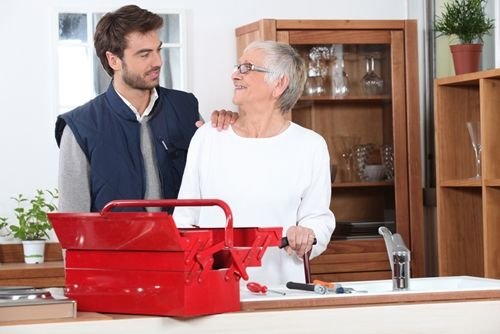
Navigating the process of securing funding and completing home modifications can be complex. Here are some practical tips to help ensure a smooth experience:
- Start by gathering medical documentation and a clear list of needed modifications.
- Work with an occupational therapist or home modification specialist to assess your home and recommend changes.
- Contact your state Medicaid office early to understand your options and any waiting periods.
- Get multiple quotes from licensed contractors familiar with accessibility work.
- Keep records of all communications, applications, and receipts.
- Explore additional support, such as lighting for water hazards to prevent accidents and improve safety.
Frequently Asked Questions
What types of home modifications are most commonly funded by Medicaid?
Medicaid often covers modifications that directly improve accessibility and safety, such as ramps, grab bars, roll-in showers, widened doors, and non-slip flooring. The specific improvements depend on state rules and the individual’s medical needs.
How do I know if I qualify for Medicaid-funded home modifications?
Eligibility is based on Medicaid enrollment, income and asset limits, and a documented medical need for home adaptations. A healthcare provider or occupational therapist typically must recommend the modifications.
Are there alternatives if Medicaid does not cover the modifications I need?
Yes. Other options include state and local grants, nonprofit programs, and federal initiatives for seniors and people with disabilities. For example, you can research free home repairs for elderly and similar resources for additional support.
Can I use Medicaid funds for general home repairs or improvements?
No, Medicaid funding is limited to medically necessary modifications related to a disability or health condition. Cosmetic upgrades and general repairs are not covered.
Conclusion
Accessing Medicaid home modification programs can make a significant difference for individuals who want to remain safe and independent in their own homes. By understanding eligibility, the types of modifications available, and the application process, families can make informed decisions and secure the support they need. Don’t hesitate to explore additional resources and related programs to ensure your home is as accessible and comfortable as possible.