
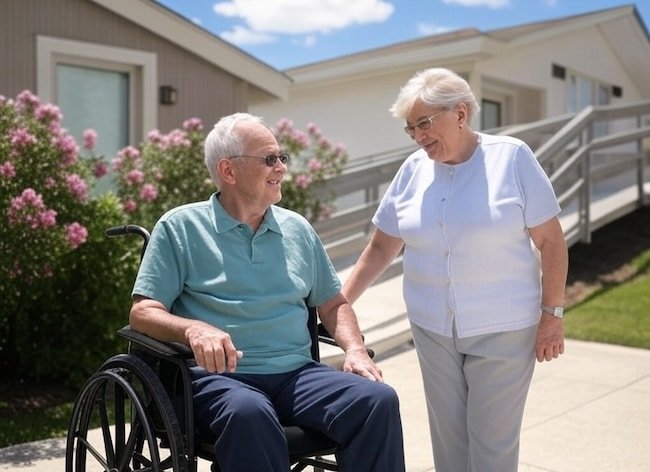
As people age, making homes safer and easier to navigate becomes increasingly important. Many older adults want to remain independent and comfortable in their own homes, but physical changes can make everyday tasks more challenging. Fortunately, there are a variety of low cost accessibility upgrades for seniors that can dramatically improve safety and quality of life—without requiring a major renovation or large financial investment.
This guide explores practical, budget-friendly ways to enhance accessibility for older adults. From simple modifications like grab bars and improved lighting to resources for financial assistance, these solutions help create a safer living environment. For those who qualify, programs such as urgent home repairs for low income seniors can also provide valuable support.
Why Affordable Home Modifications Matter
Many falls and injuries among older adults happen at home. Simple, affordable changes can prevent accidents and help seniors maintain independence. Even small upgrades—like adding non-slip mats or brighter lighting—can make a significant difference. These improvements are especially important for those living alone or with limited mobility.
For veterans, there are additional resources available. Learn more about veterans home repair benefits for seniors to see if you or a loved one may qualify for extra support.
Simple Accessibility Upgrades on a Budget
Many affordable accessibility solutions can be installed with minimal tools or expertise. Here are some of the most effective options:
- Grab Bars and Handrails: Install sturdy grab bars in bathrooms, near toilets, and along hallways. These provide support and reduce the risk of falls.
- Non-Slip Flooring: Place non-slip mats in the bathroom, kitchen, and entryways. Adhesive strips can also be added to stairs and shower floors.
- Improved Lighting: Replace dim bulbs with brighter, energy-efficient LEDs. Add night lights in hallways and bathrooms for better visibility at night.
- Lever-Style Door Handles: Swap out round knobs for lever handles, which are easier to use for those with arthritis or limited hand strength.
- Raised Toilet Seats: These inexpensive additions make it easier to sit and stand, reducing strain on joints.
- Shower Chairs and Handheld Showerheads: Provide stability and comfort during bathing, making personal care safer and more manageable.
- Threshold Ramps: Small, portable ramps help wheelchairs and walkers move smoothly over doorways and entry steps.
Room-by-Room Accessibility Tips for Older Adults
Addressing specific areas of the home can further improve safety and comfort. Here’s how to make each space more accessible without breaking the bank:
Bathroom
- Add grab bars near the toilet and inside the shower or tub.
- Use a shower chair and a handheld showerhead for safer bathing.
- Install a raised toilet seat and non-slip bath mats.
Kitchen
- Move frequently used items to lower shelves for easier access.
- Install lever-style faucet handles for easier operation.
- Use anti-fatigue mats to reduce strain while standing.
Bedroom
- Ensure pathways are clear of clutter and cords.
- Add night lights for better visibility during nighttime trips.
- Consider bed rails for added support when getting in and out of bed.
Entrances and Hallways
- Install threshold ramps to eliminate tripping hazards.
- Add handrails along stairs and hallways.
- Improve lighting to prevent accidents.
Financial Assistance and Community Resources
The cost of home modifications can add up, but several programs offer help to older adults on a tight budget. Local agencies, nonprofits, and government initiatives may provide grants or low-interest loans for accessibility improvements. For those in rural areas, the rural development home repair grants for seniors program is worth exploring.
Medicaid may also cover certain home modifications. For more details, see the medicaid home modification programs guide.
For a comprehensive overview of available support, the home repair and modification assistance for seniors resource provides up-to-date information on financial aid and eligibility requirements.
Choosing the Right Accessibility Upgrades
Every home and situation is unique. Before making changes, consider the specific needs of the person living there. Start by identifying high-risk areas, such as bathrooms and stairs, and prioritize upgrades that offer the greatest safety benefits. Consulting with an occupational therapist or home safety expert can help determine the most effective solutions.
For those in rural or agricultural communities, the usda home repair programs for seniors may provide additional funding options for accessibility improvements.
Frequently Asked Questions
What are the most affordable home modifications for seniors?
Some of the most budget-friendly upgrades include installing grab bars, adding non-slip mats, improving lighting, and switching to lever-style handles. These changes are inexpensive, easy to install, and can greatly reduce the risk of falls or injuries.
Are there grants or programs to help pay for accessibility upgrades?
Yes, many local and federal programs offer financial assistance for home modifications. Nonprofits, government agencies, and Medicaid may provide grants or low-interest loans. Check eligibility requirements and explore resources like home repair and modification assistance for seniors for more information.
How can I make a bathroom safer for an older adult?
Adding grab bars, non-slip mats, a raised toilet seat, and a shower chair are effective ways to improve bathroom safety. Good lighting and easy-to-use faucets also help prevent accidents.
Conclusion
Making a home safer and more comfortable for older adults doesn’t have to be expensive or complicated. By focusing on simple, low cost accessibility upgrades for seniors, families can help their loved ones maintain independence and peace of mind. Whether you’re tackling a few DIY projects or seeking out financial assistance, these practical steps can make a lasting difference.