

Good lighting is a key factor in creating a safe and comfortable home environment. Whether you’re navigating stairs at night, preparing meals in the kitchen, or simply moving from room to room, the right illumination can help prevent accidents and make daily life easier. This guide shares lighting tips for safety that are easy to implement and suitable for every household. By making thoughtful choices about fixtures, placement, and bulb types, you can significantly reduce risks and improve the overall well-being of everyone at home.
Before diving into specific recommendations, it’s important to understand how strategic lighting choices can minimize hazards. For a deeper look at the relationship between illumination and accident prevention, see how lighting affects home safety.
Why Proper Illumination Matters for Home Safety
Insufficient or poorly placed lighting is a leading contributor to household accidents. Dim hallways, shadowy staircases, and dark entryways can all increase the risk of slips, trips, and falls. By applying lighting tips for safety, you can address these problem areas and create a more secure living space.
Effective lighting also supports independence for all ages, from young children to older adults. Well-lit rooms help with reading, cooking, and other daily tasks, while also deterring intruders by making activity visible both inside and outside the home.
Key Areas to Focus on for Safer Lighting
Every home has unique needs, but some locations benefit most from targeted improvements. Here are the main zones to consider:
- Entrances and Exits: Install bright, glare-free fixtures at all doors to prevent missteps and discourage unwanted visitors.
- Stairways and Hallways: Use continuous lighting to eliminate shadows and highlight each step.
- Kitchens and Bathrooms: Ensure counters, sinks, and work areas are well-lit to avoid accidents with sharp or hot objects.
- Outdoor Paths and Driveways: Place lights along walkways and driveways to guide safe movement after dark.
- Bedrooms and Nighttime Routes: Provide low-level illumination for nighttime trips to the bathroom or kitchen.
For more detailed advice on optimizing indoor spaces, explore indoor lighting for safety and discover solutions tailored to each room.
Choosing the Right Bulbs and Fixtures
Selecting appropriate bulbs and fixtures is crucial for both safety and comfort. Here are some practical suggestions:
- LED Bulbs: These are energy-efficient, long-lasting, and available in a range of brightness levels. Choose bulbs with a color temperature between 2700K and 4000K for most living areas.
- Recessed Lighting: Ideal for hallways, kitchens, and bathrooms, recessed fixtures provide even coverage without creating glare or shadows.
- Motion Sensor Lights: Great for entryways, staircases, and outdoor spaces, these automatically turn on when movement is detected, reducing the chance of accidents in the dark.
- Night Lights: Plug-in or battery-operated night lights are perfect for bedrooms, bathrooms, and children’s rooms, offering gentle guidance without disturbing sleep.
Outdoor Lighting Strategies for Security and Accident Prevention
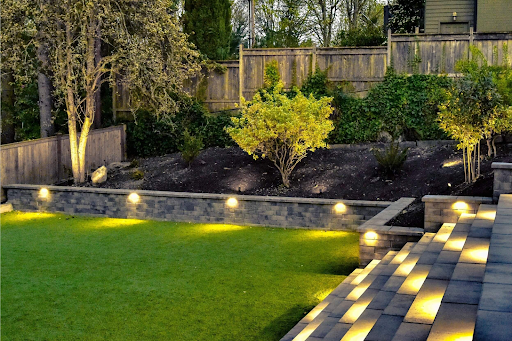
Exterior spaces often present unique challenges, especially after sunset. Applying lighting tips for safety outdoors can help prevent falls and deter trespassers. Focus on these strategies:
- Pathway Lighting: Use stake lights or low-voltage fixtures to illuminate walkways, steps, and driveways.
- Floodlights: Place motion-activated floodlights near garages, sheds, and dark corners to boost visibility and security.
- Porch and Patio Lights: Choose fixtures that provide wide, even coverage without creating harsh glare.
- Timer Controls: Set outdoor lights to turn on automatically at dusk and off at dawn for consistent safety.
For more in-depth guidance on exterior solutions, see outdoor lighting for safety and learn how to make every entry and pathway safer.
Smart Lighting Controls and Automation
Modern technology makes it easier than ever to manage home lighting for safety and convenience. Consider these options:
- Smart Bulbs and Switches: Control lights remotely or set schedules using a smartphone or voice assistant.
- Occupancy Sensors: Automatically turn lights on when someone enters a room and off when it’s empty, saving energy and reducing the chance of stumbling in the dark.
- Dimmers: Adjust brightness to suit different activities and times of day, helping to prevent glare and eye strain.
For a comprehensive overview of the different types of fixtures and controls available, check out this guide to six types of home lighting.
Nighttime Illumination and Accident Prevention
Navigating your home at night can be risky, especially for children, seniors, or anyone with limited mobility. To reduce the risk of falls and bumps:
- Install Night Lights: Place them in bedrooms, hallways, and bathrooms to provide just enough light for safe movement.
- Use Motion-Activated Fixtures: These are especially helpful in stairways and entryways, turning on only when needed.
- Keep Pathways Clear: Ensure that furniture and clutter do not block routes to bathrooms or exits.
For more tips on reducing nighttime hazards, see night lighting for safety and learn how to create a safer sleep environment for everyone.
Maintaining and Upgrading Your Lighting for Long-Term Safety
Regular maintenance is just as important as initial installation. Here’s how to keep your lighting systems effective:
- Replace Burned-Out Bulbs Promptly: Don’t let dark spots develop in key areas.
- Clean Fixtures and Covers: Dust and dirt can reduce brightness and create uneven lighting.
- Upgrade Outdated Fixtures: Swap old, inefficient lights for modern LED options that offer better coverage and reliability.
- Check Outdoor Lights Regularly: Ensure all exterior fixtures are working, especially after storms or power outages.
To explore more fixture options and learn how to select the best solutions for your needs, visit types of home lighting.
Frequently Asked Questions
What are the most important areas of the home to focus on for safety lighting?
Entrances, stairways, hallways, kitchens, bathrooms, and outdoor paths are the top priorities. These locations are most prone to accidents and benefit greatly from improved visibility.
How can I make my outdoor lighting more effective for security?
Use a combination of pathway lights, motion-activated floodlights, and timer controls. Ensure all entry points and walkways are well-lit, and avoid creating deep shadows where intruders could hide.
Are LED bulbs better for safety than traditional bulbs?
Yes, LED bulbs provide brighter, more consistent light, last longer, and use less energy. They are available in various brightness levels and color temperatures, making them suitable for every area of the home.
What type of lighting is best for preventing nighttime accidents?
Low-level night lights and motion sensor fixtures are ideal for bedrooms, hallways, and bathrooms. These provide enough illumination for safe movement without disturbing sleep.
Where can I learn more about creating a safer, well-lit home?
For further reading, see types of home lighting and how lighting affects home safety for comprehensive advice and solutions.