
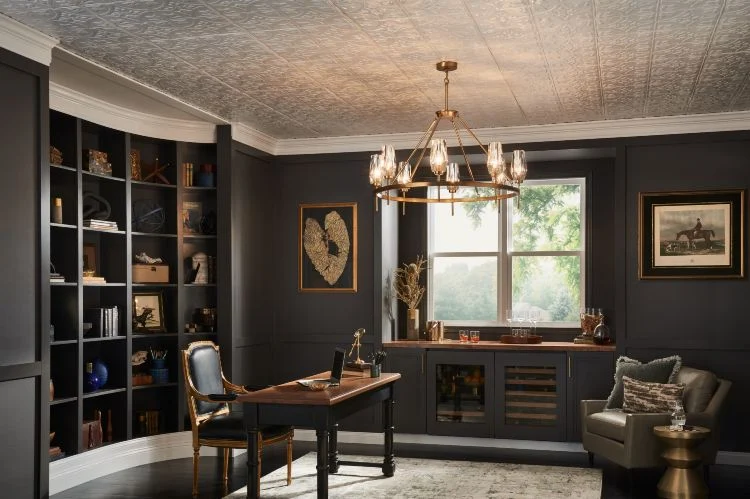
As the days grow shorter and darkness arrives earlier, the risk of slips, trips, and falls at home increases. Proper lighting for winter safety is essential to help prevent accidents, especially in areas prone to ice, snow, or wet conditions. This guide covers practical steps to improve illumination indoors and outdoors, reduce hazards, and create a safer environment for everyone in your household.
Whether you’re updating entryways, hallways, or exterior paths, understanding how to adapt your lighting for the colder months can make a significant difference. We’ll explore proven strategies, product recommendations, and expert advice to help you confidently illuminate your home this winter.
For those looking to enhance outdoor visibility, consider integrating lighting for walkways to further reduce risks on icy or uneven paths.
Why Proper Illumination Matters During Cold Months
Winter brings unique challenges for home safety. Reduced daylight, unpredictable weather, and slippery surfaces all contribute to a higher risk of accidents. Insufficient or poorly placed lighting can make it difficult to spot hazards such as wet floors, icy steps, or clutter in hallways. By prioritizing lighting for winter safety, you can minimize these dangers and create a more secure living space.
- Enhanced visibility helps everyone spot obstacles and navigate safely.
- Well-lit entryways reduce the chance of missing steps or slipping on ice.
- Consistent illumination indoors prevents trips over rugs, shoes, or other objects.
Key Areas to Focus on for Safer Lighting
Not all spaces in your home require the same approach. Here are the most critical zones to address when improving your lighting for accident prevention:
Entryways and Foyers
The main entrance is often the first place where winter hazards appear. Wet shoes, melting snow, and icy steps can all lead to slips. Install bright, overhead fixtures and consider motion-activated lights for hands-free convenience.
Staircases and Hallways
Stairs are a common site for falls, especially when visibility is poor. Use wall sconces, step lights, or LED strips to ensure every tread is clearly illuminated. For long hallways, evenly spaced ceiling lights or night lights can help guide the way.
Outdoor Paths and Driveways
Exterior walkways, driveways, and porches are particularly hazardous after dark or during snowstorms. Weather-resistant fixtures, such as LED floodlights or solar-powered path lights, can make a significant difference. For more ideas, see lighting for pathways to keep outdoor movement safe.
Choosing the Right Bulbs and Fixtures for Winter
Selecting suitable lighting products is crucial for both safety and comfort. Here’s what to consider:
- Brightness: Opt for bulbs with higher lumens to ensure spaces are well-lit, especially in areas with little natural light.
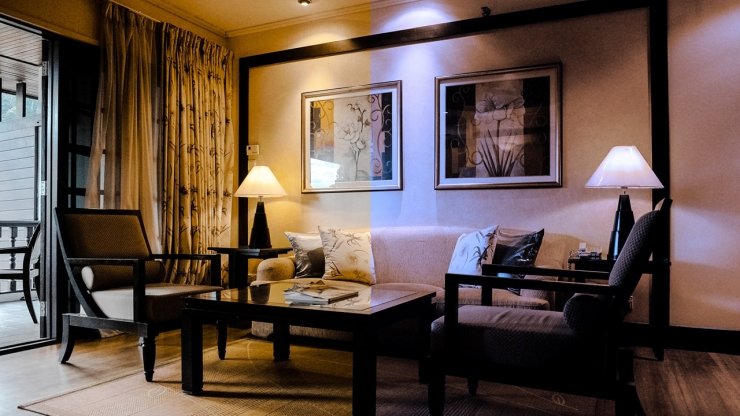
- Color temperature: Warm white (2700K–3000K) creates a cozy feel, while cool white (4000K–5000K) enhances visibility and alertness. Use a mix based on room function.
- Energy efficiency: LED bulbs are long-lasting and use less energy, making them ideal for fixtures that stay on for extended periods.
- Motion sensors and timers: These features automatically turn lights on when needed, reducing the risk of walking into dark spaces.
For a deeper understanding of bulb types and their benefits, visit this comprehensive guide to different types of lighting.
Simple Upgrades for Safer Winter Illumination
Improving lighting for winter safety doesn’t always require a full renovation. Here are some straightforward upgrades:
- Install night lights in bedrooms, bathrooms, and hallways to provide gentle guidance during nighttime hours.
- Add LED strips under cabinets or along stair rails for extra visibility where shadows may fall.
- Upgrade outdoor fixtures to weatherproof, energy-efficient models that withstand snow and ice.
- Use smart bulbs and plugs to automate lighting schedules, ensuring key areas are always lit at dusk.
- Clean and maintain fixtures regularly to maximize brightness and prevent dust buildup.
Outdoor Lighting Strategies for Winter Safety
Exterior lighting is especially important during the colder months. Here are some best practices:
- Illuminate all entrances with bright, motion-activated lights to deter intruders and prevent accidents.
- Highlight steps and changes in elevation with dedicated step lights or low-profile fixtures.
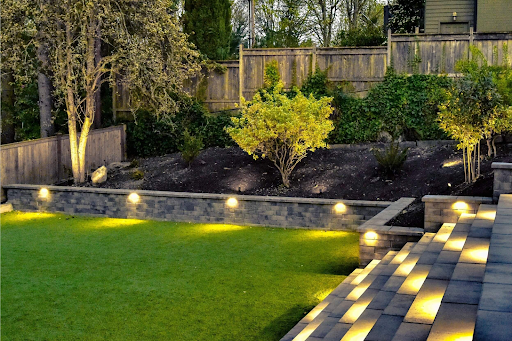
- Mark pathways with stake lights or solar-powered markers to guide visitors safely to your door.
- Check for glare and adjust angles to avoid blinding drivers or pedestrians.
For more inspiration, explore lighting for outdoor stairs to ensure every step is visible, even in snowy or icy conditions.
Additional Tips for a Safer, Brighter Home
- Test all bulbs before winter sets in and replace any that are dim or flickering.
- Keep light switches accessible and consider rocker or illuminated switches for easier use in the dark.
- Encourage household members to turn on lights before entering dark rooms or going outside.
- Review lighting in workspaces such as home offices. For ideas, see lighting for home offices to boost both safety and productivity.
- Don’t overlook garages and workshops. Proper illumination in these areas can prevent tool-related injuries. Learn more about lighting for workshops.
Frequently Asked Questions
What type of lighting is best for preventing falls in winter?
Bright, evenly distributed lighting is most effective for reducing the risk of falls. Use LED bulbs with high lumens in entryways, hallways, and staircases. Motion sensor night lights and step lights are also helpful for guiding movement in the dark.
How can I improve outdoor lighting for icy conditions?
Install weather-resistant fixtures along paths, steps, and driveways. Choose models with motion sensors or dusk-to-dawn features to ensure lights are always on when needed. Solar-powered lights can be a good supplement, but ensure they receive enough sunlight during short winter days.
Are smart lighting systems useful for winter safety?
Yes, smart bulbs and plugs allow you to automate lighting schedules, control lights remotely, and set up routines for dusk or nighttime. This ensures key areas are always illuminated, even if you forget to turn them on manually.
Conclusion
Adapting your home’s illumination for the colder months is a simple yet powerful way to reduce accidents and improve comfort. By focusing on key areas, choosing the right products, and maintaining your fixtures, you can make your living space safer for everyone. For more ideas on outdoor safety, explore lighting for walkways and lighting for pathways. With thoughtful planning and a few upgrades, you’ll be ready to face winter’s challenges with confidence.