
Ensuring lighting for side yard safety is essential for homeowners who want secure, accessible pathways around their property after dark. Side yards are often overlooked, yet they can be critical routes for reaching backyards, garages, or utility areas. Without proper illumination, these spaces can become hazardous, increasing the risk of trips, falls, or unwanted intrusions. This guide explores practical ways to brighten your side yard, improve visibility, and create a safer environment for everyone who uses these outdoor walkways.
Whether you’re upgrading an existing setup or planning a new installation, choosing the right fixtures and placement is key. We’ll cover different lighting types, layout strategies, and maintenance tips to help you design a side yard that’s both functional and inviting. For those interested in improving other areas of the home, consider exploring lighting for attics to enhance visibility and safety in storage spaces.
Why Proper Lighting Matters for Side Yard Safety
Side yards often serve as secondary entrances, utility corridors, or emergency exits. Without adequate illumination, these areas can present real dangers. Poorly lit paths may hide obstacles like hoses, uneven ground, or debris, leading to accidents. Additionally, dark zones can attract unwanted attention, making your property more vulnerable to trespassers.
Investing in lighting for side yard safety not only protects your family and guests but also increases your peace of mind. Well-lit exteriors deter crime and make it easier to navigate at night, whether you’re taking out the trash or letting pets outside. Good lighting also boosts curb appeal and can highlight landscaping features, making your home more attractive.
Types of Fixtures for Illuminating Side Yards
Selecting the right lighting fixtures is crucial for effective coverage and energy efficiency. Here are some popular options for brightening side yard pathways:
- Wall-Mounted Sconces: These fixtures attach directly to exterior walls, casting light across walkways and entrances. Choose models with downward-facing shades to minimize glare and light pollution.
- Pathway Lights: Low-profile stakes or bollards installed along the edge of a path provide consistent illumination. Solar-powered versions are easy to install and require no wiring.
- Motion Sensor Lights: These lights activate only when movement is detected, saving energy and alerting you to activity outside. They’re ideal for areas that don’t need constant lighting.
- Recessed Step Lights: Installed into steps or retaining walls, these fixtures help prevent trips and falls on uneven surfaces.
- Floodlights: For broader coverage, adjustable floodlights can illuminate large sections of your side yard, especially near gates or garage doors.
Planning Your Side Yard Lighting Layout
An effective lighting plan should address both safety and aesthetics. Start by mapping out the main paths and any obstacles that need to be visible at night. Consider the following tips when designing your setup:
- Identify Entry and Exit Points: Focus on doors, gates, and steps where accidents are most likely to occur.
- Space Fixtures Evenly: Avoid dark spots by placing lights at regular intervals along the path. Overlapping light pools create a continuous, safe walkway.
- Use Layered Lighting: Combine different fixture types for balanced coverage. For example, pair wall sconces with pathway lights for both vertical and horizontal illumination.
- Consider Neighboring Spaces: If your side yard is near bedrooms or living areas, choose fixtures with shields or dimmers to prevent light from spilling indoors.
- Test Before Final Installation: Temporarily position lights at night to check for shadows and adjust placement as needed.
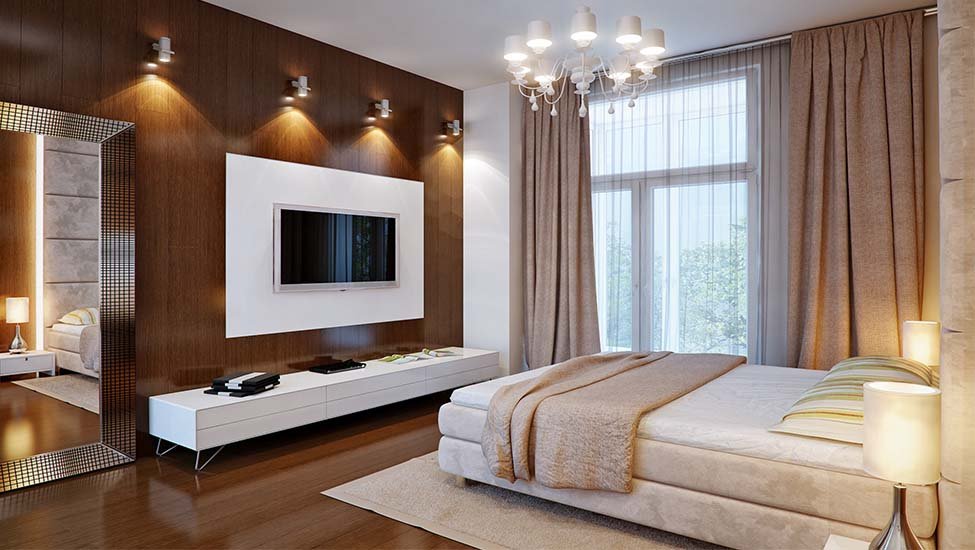
For inspiration on how to layer lighting in other rooms, see these lighting ideas for bedrooms that enhance comfort and safety.
Energy-Efficient and Smart Lighting Options
Modern outdoor lighting solutions offer more than just basic illumination. Energy-efficient technologies and smart controls can help you save on utility bills while maintaining a secure environment.
- LED Fixtures: LEDs consume less power and last much longer than traditional bulbs. They’re available in a wide range of styles and brightness levels.
- Solar-Powered Lights: These are easy to install and operate independently of your home’s electrical system. They’re ideal for areas without accessible wiring.
- Smart Controls: Integrate your side yard lights with timers, motion sensors, or smart home systems. This allows you to automate schedules or control lights remotely via smartphone.
- Dusk-to-Dawn Sensors: Automatically turn lights on at sunset and off at sunrise, ensuring your side yard is always illuminated when needed.
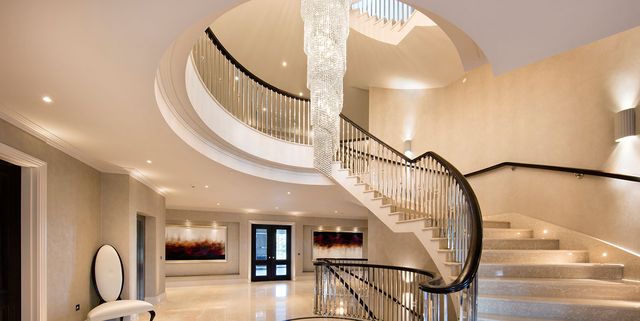
For a deeper dive into different lighting types and their benefits, check out this overview of indoor lighting types, which also applies to many outdoor fixtures.
Installation and Maintenance Tips
Once you’ve selected your fixtures and planned your layout, proper installation and maintenance will ensure your lighting system remains effective and reliable.
- Follow Manufacturer Instructions: Always install fixtures according to the manufacturer’s guidelines, especially for electrical safety.
- Weatherproof All Components: Use outdoor-rated fixtures and ensure all wiring is protected from moisture and pests.
- Regularly Clean Lenses and Bulbs: Dirt and debris can reduce light output. Wipe down fixtures periodically to maintain brightness.
- Check for Obstructions: Trim back plants or branches that may block light or create shadows along your path.
- Replace Bulbs Promptly: Keep spare bulbs on hand and replace any that burn out to avoid dark spots.
If you’re interested in extending your safety upgrades to other areas, see our basement lighting guide for tips on creating clear pathways below ground.
Additional Considerations for Outdoor Lighting
While safety is the primary concern, thoughtful outdoor lighting can also enhance the beauty and value of your home. Here are a few extra points to keep in mind:
- Choose the Right Color Temperature: Warm white lights (2700K–3000K) create a welcoming atmosphere, while cooler tones (4000K–5000K) offer higher visibility.
- Minimize Light Pollution: Use shielded fixtures and direct light downward to avoid disturbing neighbors or wildlife.
- Coordinate with Landscaping: Highlight plants, trees, or architectural features for added curb appeal.
- Consider Accessibility: Make sure switches or controls are easy to reach, especially for those with limited mobility.
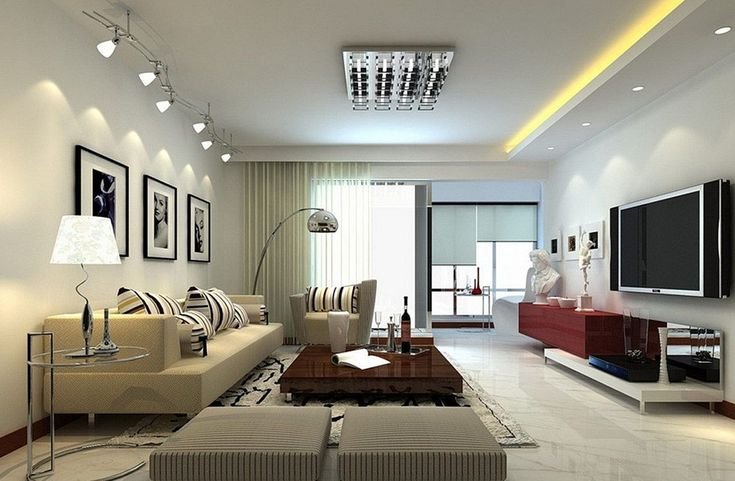
For more ideas on creating a safe and welcoming home, you might also explore living room lighting solutions that balance safety with comfort.
Frequently Asked Questions
What is the best type of lighting for side yard safety?
The most effective approach combines multiple fixture types, such as wall-mounted sconces, pathway lights, and motion sensors. This layered strategy ensures even coverage and reduces shadows, making it easier to navigate safely at night.
How far apart should I space my side yard lights?
Spacing depends on the brightness and beam spread of your fixtures. As a general rule, place pathway lights 6 to 8 feet apart for consistent illumination. For wall-mounted or floodlights, adjust placement to eliminate dark spots and overlap light pools.
Are solar-powered lights reliable for outdoor pathways?
Solar-powered lights are a convenient and energy-efficient choice, especially for areas without access to electrical wiring. However, their performance can vary based on sunlight exposure and battery quality. For critical safety areas, consider supplementing with wired or motion-activated LED fixtures.
How can I reduce energy costs while keeping my side yard well-lit?
Use LED bulbs, motion sensors, and timers to minimize unnecessary usage. Smart lighting systems allow you to control schedules and adjust brightness, helping you save energy without sacrificing security.