
Creating a comfortable and secure atmosphere in your living space starts with the right lighting choices. Whether your goal is to enhance visibility, set a relaxing mood, or improve safety for all ages, thoughtful illumination makes a significant difference. This guide explores practical strategies and product options for lighting for living rooms that balance style, efficiency, and safety.
From layered lighting plans to selecting the best fixtures for your needs, you’ll discover how to transform your lounge area into a welcoming and functional environment. For those interested in optimizing other areas of the home, consider exploring lighting for bathrooms to further improve safety and comfort throughout your house.
Understanding Layered Lighting for Living Spaces
A well-lit living room relies on more than just a single overhead fixture. The concept of layered lighting involves combining different types of illumination to achieve both functionality and ambiance. By integrating ambient, task, and accent lighting, you can address various needs and activities that take place in your main gathering area.
- Ambient lighting provides general illumination, ensuring the entire room is evenly lit. Ceiling-mounted fixtures, recessed lights, and large pendant lamps are common choices.
- Task lighting focuses on specific areas where activities like reading, crafting, or working occur. Table lamps, adjustable floor lamps, and wall-mounted sconces are effective solutions.
- Accent lighting highlights architectural features, artwork, or decorative elements. Picture lights, LED strips, and spotlights can draw attention to focal points and add visual interest.
By thoughtfully layering these sources, you create a flexible environment that adapts to different times of day and uses.
Choosing Safe and Stylish Fixtures
Selecting the right fixtures is crucial for both safety and aesthetics. When considering lighting for living rooms, prioritize options that minimize glare, reduce trip hazards, and are easy to operate for all household members.
For example, flush-mount ceiling lights and recessed fixtures are excellent for rooms with low ceilings, as they provide ample illumination without protruding into walkways. Table and floor lamps with stable bases help prevent accidental tipping, especially in homes with children or pets. Additionally, smart lighting controls and dimmer switches allow you to adjust brightness levels to suit any occasion.
For a comprehensive overview of fixture types and their best uses, refer to this guide to different light fixtures.
Energy-Efficient and Long-Lasting Solutions
Modern living room lighting should be both cost-effective and environmentally friendly. LED bulbs are a top choice, offering long lifespans and significantly lower energy consumption compared to traditional incandescent or halogen bulbs. Many LED options are now available in a range of color temperatures, from warm white to cool daylight, allowing you to customize the feel of your space.
Consider installing dimmable LEDs or smart bulbs that can be controlled via smartphone or voice assistant. These features not only enhance convenience but also help reduce energy usage by allowing you to adjust brightness as needed.
If you’re interested in improving lighting in other parts of your home, you might also find value in reading about lighting for hallways to ensure safe navigation throughout your living environment.
Improving Safety and Accessibility
Safety is a key consideration, especially in homes with seniors, children, or individuals with mobility challenges. Proper lighting for living rooms can help prevent trips, falls, and eye strain.
- Use motion-activated night lights to illuminate pathways during nighttime hours, reducing the risk of accidents.
- Ensure switches are easy to reach and clearly labeled. Consider rocker or touch-activated switches for added accessibility.
- Avoid running cords across walkways. Opt for cordless fixtures or secure cables along walls to minimize hazards.
- Place lamps and fixtures at heights that provide adequate light without shining directly into eyes, which can cause discomfort or glare.
For additional guidance on making other areas of your home safer, check out these resources on lighting for stairs safety and lighting for entryways.
Tips for Creating a Cozy and Inviting Atmosphere
Beyond safety and efficiency, lighting plays a major role in setting the mood of your living area. Here are some practical ideas to make your space feel warm and welcoming:
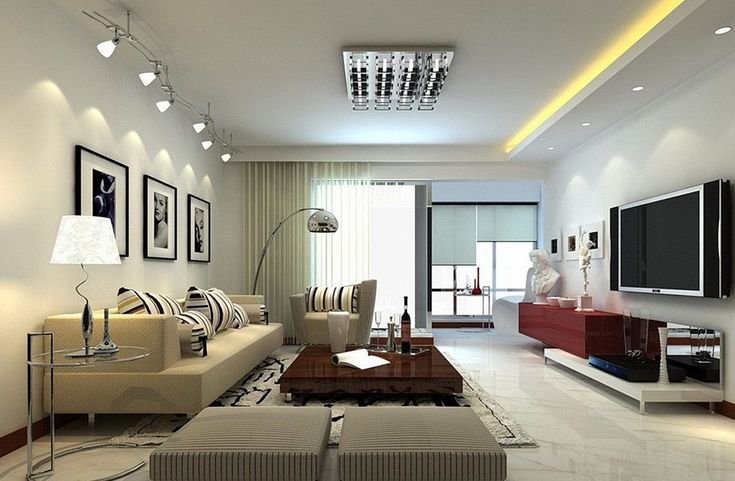
- Layer soft, indirect light sources such as wall sconces or cove lighting to reduce harsh shadows and create a gentle glow.
- Use dimmers to adjust brightness according to the time of day or activity, making it easy to transition from lively gatherings to quiet evenings.
- Incorporate decorative lampshades, colored bulbs, or string lights for a personalized touch that reflects your style.
- Highlight artwork, plants, or architectural details with adjustable spotlights or LED strips to add depth and interest.
Remember, the best living room lighting plan is one that adapts to your lifestyle and enhances both comfort and safety.
Frequently Asked Questions
What is the best type of lighting for living rooms to improve safety?
The safest approach combines ambient lighting for overall visibility, task lighting for specific activities, and accent lighting for aesthetics. Using LED bulbs, motion sensors, and well-placed switches further enhances safety and convenience.
How can I make my living room lighting more energy-efficient?
Switch to LED bulbs, install dimmers, and use smart controls to adjust brightness as needed. These changes reduce energy consumption and extend the lifespan of your lighting fixtures.
Are there lighting options that help reduce glare and eye strain?
Yes, opt for fixtures with diffusers, indirect lighting sources, and adjustable lamps. Position lights to avoid shining directly into eyes and use warm color temperatures for a softer, more comfortable environment.