
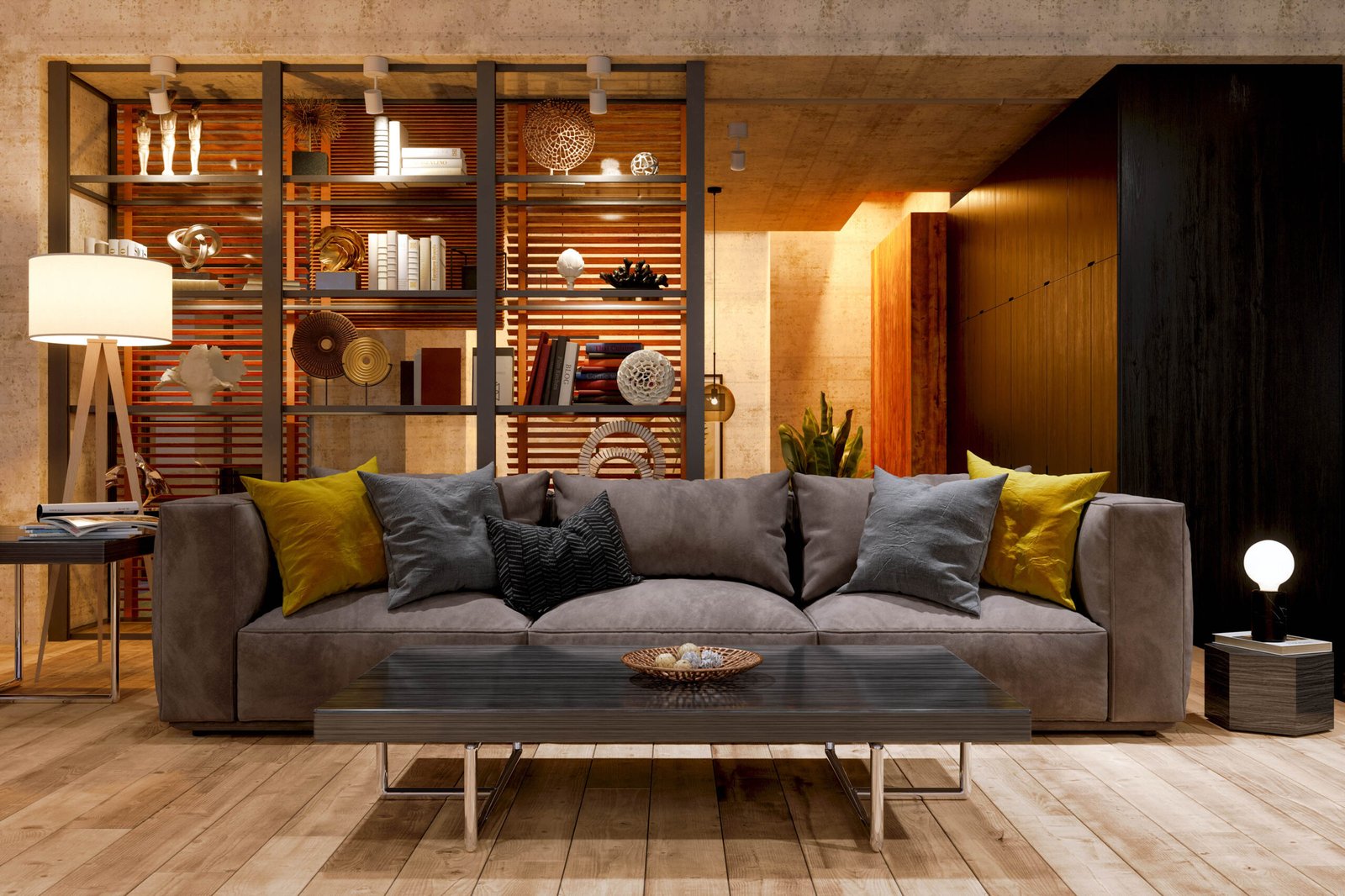
Creating a productive and safe workspace at home requires more than just a comfortable chair and a sturdy desk. Lighting for home offices plays a crucial role in supporting focus, reducing eye strain, and ensuring a secure environment. The right combination of ambient, task, and accent lighting can transform any room into an efficient workspace, whether you’re working late into the evening or attending virtual meetings during the day.
In this article, you’ll discover practical strategies for optimizing illumination in your workspace, including fixture types, placement tips, and safety considerations. If you’re interested in improving other areas of your home, you might also find value in exploring lighting for attics, which shares similar principles for enhancing visibility and safety in less-frequented spaces.
Why Proper Illumination Matters in Your Workspace
Effective lighting for home offices does more than brighten a room—it directly impacts your comfort, productivity, and health. Poor lighting can cause headaches, fatigue, and even increase the risk of accidents, especially if cords or furniture are hard to see. On the other hand, a well-lit environment helps maintain alertness, supports clear vision, and creates a welcoming atmosphere for both work and video calls.
The right lighting setup also allows for flexibility. Whether you’re reading documents, typing on a computer, or participating in video conferences, adjustable lighting ensures you always have the right level of brightness for the task at hand.
Types of Lighting Fixtures for Home Offices
Selecting the best fixtures for your workspace involves understanding the three main types of lighting: ambient, task, and accent. Combining these layers creates a balanced and functional environment.
- Ambient Lighting: This is the primary source of light in your office, often provided by ceiling fixtures, recessed lights, or large floor lamps. It sets the overall brightness level and ensures even illumination throughout the room.
- Task Lighting: Desk lamps, under-cabinet lights, or adjustable wall sconces focus light directly where you need it most—on your work surface. Task lighting is essential for reading, writing, or any detailed activity.
- Accent Lighting: These fixtures highlight specific areas or objects, such as artwork or shelving. Accent lights can also add a touch of style and personality to your workspace.
For a deeper dive into fixture options, check out this comprehensive guide to different types of light fixtures.
Optimizing Natural Light for Your Home Office
Maximizing daylight is one of the simplest ways to improve your workspace. Position your desk near a window to take advantage of natural light, which not only reduces your reliance on artificial sources but can also boost your mood and energy levels.
- Use sheer curtains or blinds to diffuse harsh sunlight and prevent glare on screens.
- Keep windows clean and unobstructed to allow as much daylight in as possible.
- Arrange furniture so that you face perpendicular to the window, minimizing direct glare while still benefiting from daylight.
Remember, natural light changes throughout the day. Supplement with adjustable task lighting to maintain consistent brightness as daylight fades.
Choosing the Right Bulbs and Color Temperatures
Not all light bulbs are created equal. The type of bulb and its color temperature can significantly affect your workspace’s ambiance and your ability to concentrate.
- LED Bulbs: These are energy-efficient, long-lasting, and available in a range of color temperatures. LEDs are ideal for both ambient and task lighting.
- Color Temperature: For workspaces, bulbs in the 4000K–5000K range (cool white to daylight) are recommended. They provide a crisp, clear light that supports focus and reduces eye strain.
- Dimmable Options: Consider fixtures with dimmable bulbs to adjust brightness throughout the day, especially if your office serves multiple purposes.
Selecting the right bulbs ensures your workspace remains comfortable and functional, regardless of the time of day.
Placement Tips for Safe and Effective Lighting
Strategic placement of lights is essential for both productivity and safety. Here are some practical tips to guide your setup:
- Overhead Fixtures: Center ceiling lights to provide even ambient illumination, avoiding dark corners that can cause eye fatigue.
- Desk Lamps: Place task lights on the opposite side of your dominant hand to minimize shadows while writing or typing.
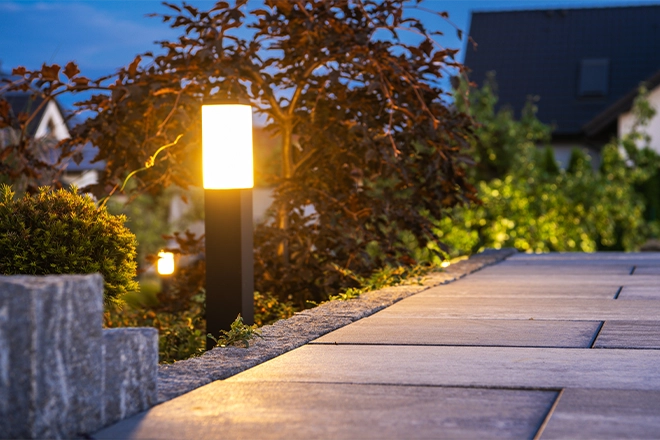
- Pathway Lighting: If your office is part of a larger room or near stairs, consider adding motion-sensor night lights to illuminate walkways and reduce the risk of tripping.
- Cord Management: Keep cords tidy and out of traffic areas to prevent accidents, especially in spaces with multiple devices.
Enhancing Productivity with Layered Lighting
Combining different types of fixtures creates a flexible and inviting workspace. Layered lighting allows you to adjust brightness and focus depending on the task, time of day, or mood.
- Combine Ambient and Task Lighting: Use ceiling lights for general illumination and desk lamps for focused work.
- Add Accent Lights: Highlight bookshelves, diplomas, or artwork to personalize your space and reduce eye strain by minimizing contrast between bright screens and dark backgrounds.
- Use Smart Controls: Consider smart bulbs or plugs to automate lighting schedules, adjust color temperatures, or control lights remotely.
Layered lighting not only boosts efficiency but also helps create a more comfortable and visually appealing environment.
Safety Considerations for Home Office Lighting
Safety should never be overlooked when planning your workspace. Inadequate lighting can lead to trips, falls, and other accidents, especially in multi-use rooms or areas with frequent foot traffic.
- Motion Sensor Night Lights: Install these in hallways or near entrances to automatically illuminate pathways during low-light hours.
- Recessed Lighting: Flush-mounted fixtures reduce clutter and eliminate the risk of bumping into lamps or cords.
- Emergency Lighting: Keep a battery-powered lamp or flashlight accessible in case of power outages.

Additional Resources for Home Lighting
If you’re interested in optimizing other rooms, consider exploring these helpful guides:
- Lighting for bedrooms for a restful and secure sleeping environment.
- Lighting for living rooms to create a welcoming and safe gathering space.
- Lighting for basements to improve visibility and reduce hazards in lower-level spaces.
- Lighting for garages for enhanced clarity and safety in utility areas.
Frequently Asked Questions
What is the best type of lighting for a home office?
The most effective setup combines ambient, task, and accent lighting. Use ceiling fixtures or recessed lights for general illumination, desk lamps for focused work, and accent lights to highlight specific areas or objects. This layered approach ensures both productivity and comfort.
How can I reduce eye strain while working from home?
Position your desk near a window for natural light, use bulbs with a color temperature of 4000K–5000K, and add adjustable task lighting to your workspace. Avoid working in dimly lit rooms and minimize glare on screens by using diffused light sources.
Are LED lights safe and effective for home offices?
Yes, LED bulbs are energy-efficient, long-lasting, and available in a range of color temperatures suitable for work environments. They produce less heat than traditional bulbs and can be dimmed or automated for added convenience.