
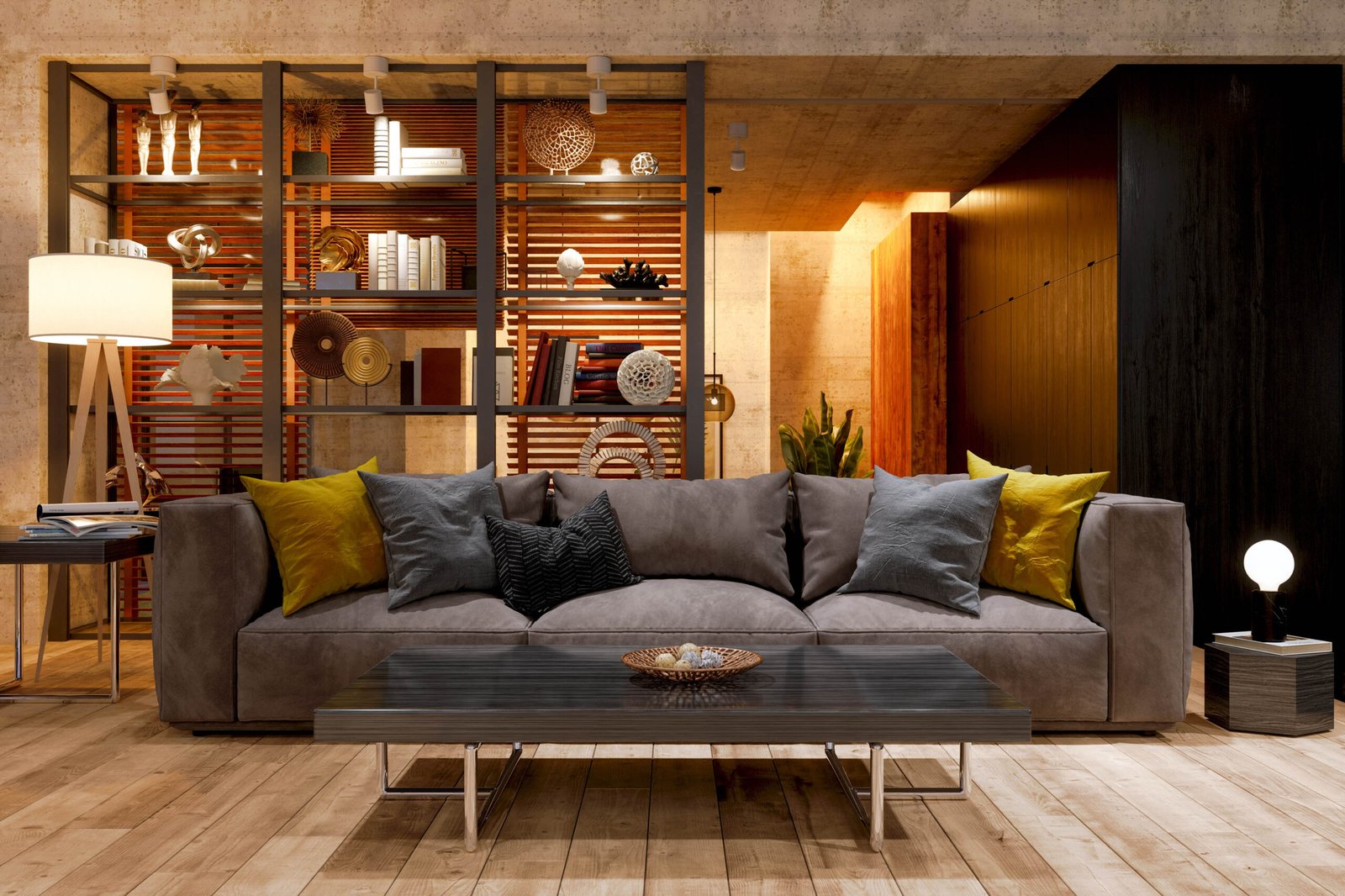
Slips, trips, and falls are among the most common causes of injuries at home, especially for older adults and those with mobility challenges. One of the most effective ways to reduce these risks is by improving how your living spaces are illuminated. Lighting for fall prevention is not just about adding more bulbs—it’s about thoughtful placement, the right fixtures, and using technology to make every step safer.
In this guide, you’ll discover practical strategies to make your home safer with better lighting. We’ll cover essential areas to focus on, types of fixtures that work best, and simple upgrades that can make a big difference. If you’re interested in more detailed advice, the article on how to prevent accidents with lighting offers additional tips for creating a safer environment.
Why Proper Illumination Matters for Home Safety
Insufficient or poorly placed lighting is a leading contributor to household falls. Shadows, glare, and dark corners can obscure hazards like steps, rugs, or clutter. By ensuring every pathway and living area is well-lit, you dramatically reduce the risk of accidents.
According to safety experts, a well-lit home helps everyone—especially seniors—navigate confidently. Good visibility is essential in high-traffic areas, entryways, and places where changes in floor level occur. For more insights on designing a secure lighting plan, see the guide to lighting design for safety.
Key Areas to Focus on for Fall Prevention Lighting
Not every room requires the same approach. Prioritize these locations to maximize your home’s safety:
- Entryways and Hallways: These are common spots for trips, especially at night. Use bright, even lighting and consider motion sensors for hands-free operation.
- Staircases: Install lights at both the top and bottom of stairs. LED strips or step lights can highlight each tread, making elevation changes clear.
- Bathrooms: Night lights or low-level fixtures help prevent accidents during nighttime visits.
- Kitchens: Under-cabinet lighting eliminates shadows on counters and floors where spills may occur.
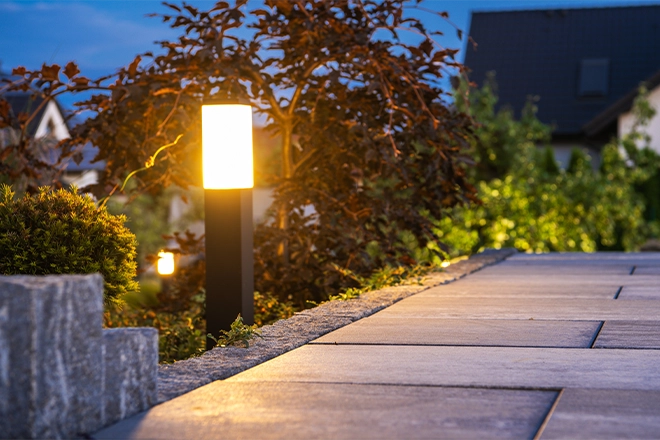
- Outdoor Paths: Pathway and porch lights ensure safe entry and exit after dark.
Choosing the Right Fixtures and Bulbs
Selecting the right products is crucial for effective lighting for fall prevention. Here are some recommendations:
- LED Bulbs: These are energy-efficient, long-lasting, and available in a range of brightness levels. Choose bulbs with a color temperature between 2700K and 4000K for comfortable, clear light.
- Recessed Lighting: Ideal for hallways, kitchens, and living rooms, these fixtures provide even illumination without creating glare or shadows.
- Motion Sensor Lights: Perfect for bathrooms, hallways, and outdoor areas. They automatically turn on when movement is detected, reducing the chance of fumbling for switches in the dark.
- Night Lights: Plug-in or battery-operated models are great for bedrooms and bathrooms, offering gentle guidance after dark.
- Step and Pathway Lights: These highlight changes in elevation and mark walkways both inside and outside the home.
For a deeper dive into fixture types and how to use them, check out this comprehensive lighting basics guide.
Smart Upgrades for Enhanced Safety
Technology can make your home safer and more convenient. Consider these smart upgrades:
- Smart Bulbs: Control brightness and color temperature with your phone or voice assistant, adapting lighting to your needs at any time.
- Automated Schedules: Set lights to turn on at dusk or before you arrive home, ensuring you never walk into a dark space.
- Wireless Switches: Place switches in accessible locations without rewiring, making it easier for everyone to control lights.
- Dimmers: Adjust light levels to reduce glare and eye strain, especially in bedrooms and living areas.
These upgrades not only improve safety but also add convenience and energy savings. For more practical suggestions, the article on lighting tips for safety offers actionable advice for every room.
Best Practices for Placing Lights to Prevent Falls
Where you position your fixtures is just as important as the type you choose. Follow these tips for optimal results:
- Eliminate Shadows: Use multiple light sources in large rooms to avoid dark spots where hazards can hide.
- Highlight Hazards: Place lights near steps, thresholds, and uneven flooring to draw attention to potential risks.
- Use Low-Glare Fixtures: Avoid bare bulbs or overly bright lights that can cause glare and make it harder to see obstacles.
- Install Lights at Eye Level: Wall sconces and step lights at lower heights help illuminate floors without creating harsh shadows.
- Maintain Consistency: Keep lighting levels similar between rooms and hallways to prevent sudden changes that can disorient or trip someone.

For more detailed advice on fixture placement, see the resource on lighting placement for safety.
Simple Maintenance Tips to Keep Lighting Effective
Even the best lighting setup needs regular care to stay effective. Here are some easy maintenance steps:
- Clean Fixtures and Bulbs: Dust and dirt can reduce brightness. Wipe down lights every few months.
- Replace Burned-Out Bulbs Promptly: Keep spare bulbs on hand and swap them out as soon as one fails.
- Check for Flickering or Dim Lights: These may indicate wiring issues or the need for new bulbs.
- Test Motion Sensors: Make sure they activate as expected and adjust sensitivity if needed.
- Trim Outdoor Foliage: Ensure plants or trees aren’t blocking outdoor lights or casting unwanted shadows.
For creative solutions to brighten problem spots, the article on lighting ideas for dark areas provides practical inspiration.
Frequently Asked Questions
What type of lighting is best for preventing falls in hallways and stairs?
The most effective approach is to use bright, even lighting such as LED recessed fixtures or wall-mounted sconces. Motion sensor lights are also helpful, as they turn on automatically when someone enters the area. Make sure steps are clearly visible and avoid creating shadows or glare.
How can I improve safety at night without disturbing sleep?
Install low-level night lights in bedrooms, bathrooms, and hallways. Choose models with warm color temperatures and dim settings to provide enough light for safe movement without being disruptive. Motion-activated night lights are especially useful for nighttime trips.
Are smart lighting systems worth the investment for fall prevention?
Smart lighting can add convenience and safety, especially for those with limited mobility. Features like automated schedules, remote control, and voice activation make it easier to keep spaces well-lit at all times. While not essential, these upgrades can be a valuable addition to a comprehensive home safety plan.