

Creating a safe home environment for children involves more than just covering sharp corners and locking cabinets. One often overlooked aspect is lighting for children’s safety. Proper illumination can help prevent accidents, reduce anxiety at night, and foster independence as kids move around their living spaces. From choosing the right fixtures to understanding placement and brightness, there are several practical steps parents and caregivers can take to make lighting both functional and secure for little ones.
This article explores essential strategies for selecting and installing lighting that prioritizes safety in children’s rooms, play areas, and common spaces. For a deeper dive into how illumination impacts accident prevention, check out how to prevent accidents with lighting.
Why Lighting Matters for Child Safety
Good lighting does more than brighten a room—it actively supports a child’s wellbeing. Insufficient or poorly placed lights can lead to trips, falls, and other preventable injuries. Kids are naturally curious and may not always be aware of obstacles, especially in dimly lit areas. By focusing on lighting for children’s safety, you can help ensure that every corner of your home is visible and accessible, reducing the risk of accidents.
Beyond physical safety, the right lighting can also ease nighttime fears and encourage restful sleep. Soft, adjustable lights in bedrooms and hallways allow children to navigate safely if they wake up during the night, while also providing comfort and reassurance.
Choosing Safe Fixtures and Bulbs
Not all light fixtures are created equal, especially when it comes to homes with young children. Here are some key considerations:
- Shatter-resistant bulbs: Opt for LED bulbs, which are less likely to break than traditional glass bulbs. LEDs also stay cooler to the touch, reducing burn risks.
- Enclosed fixtures: Use fixtures that fully enclose the bulb, preventing curious hands from reaching hot surfaces or electrical components.
- Wall-mounted and recessed lighting: These options are out of reach for small children and help keep cords and lamps off the floor.
- Night lights with motion sensors: These provide gentle illumination only when needed, helping children move safely at night without leaving lights on all the time.
For more information on the different types of fixtures suitable for family homes, see this comprehensive guide to light fixtures.

Best Practices for Lighting Placement in Kids’ Spaces
Where you install lights is just as important as the type of fixture you choose. Strategic placement can help eliminate shadows and dark spots where children might trip or bump into furniture. Consider these tips:
- Overhead lighting: Ensure that every room your child uses has bright, even overhead lights. Avoid single-point sources that cast harsh shadows.
- Task lighting: Use desk lamps or wall-mounted reading lights in study areas, but keep cords and switches out of reach.
- Hallways and stairs: Install night lights or low-level wall lights along corridors and staircases to guide children safely, especially after dark.
- Bathrooms: Soft, motion-activated lights can make nighttime trips safer and less disruptive to sleep.
For more advice on optimizing fixture locations, see these lighting placement for safety tips.
Reducing Hazards: Cords, Heat, and Glare
Even the safest light fixture can pose risks if not installed or maintained properly. Here’s how to minimize common hazards:
- Secure cords: Use cord covers or clips to keep wires out of reach and prevent tripping.
- Check heat levels: Make sure all bulbs and fixtures stay cool to the touch. Avoid halogen lamps in children’s rooms, as they can become dangerously hot.
- Prevent glare: Choose bulbs with diffusers or frosted covers to reduce harsh light that can strain young eyes.
- Regular maintenance: Replace burned-out bulbs promptly and check that all fixtures are securely mounted.
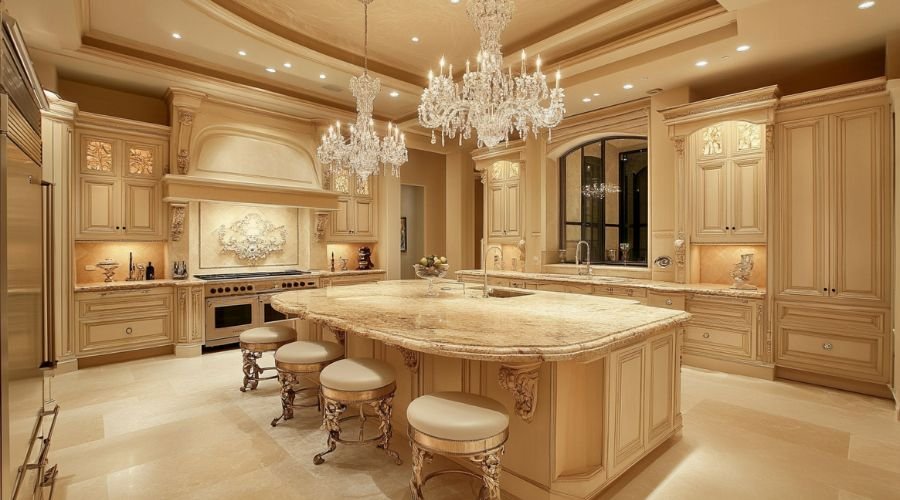
Lighting for Children’s Safety in Shared and Play Areas
Shared spaces like living rooms and playrooms require special attention. Children often run, jump, and play in these areas, making visibility crucial. Use a combination of overhead and accent lighting to eliminate dark corners. Consider installing dimmers so you can adjust brightness for different activities, from quiet reading to active play.
In playrooms, avoid floor lamps or table lamps that can be knocked over. Instead, choose wall-mounted or ceiling fixtures. For more inspiration on brightening up dark spaces, visit these lighting ideas for dark areas.
Encouraging Independence with Safe Lighting Choices
As children grow, they benefit from being able to control their environment. Install easy-to-use switches at child height in bedrooms and bathrooms. Motion sensor lights in closets or under beds can help kids find what they need without fumbling in the dark.
Night lights with gentle illumination make it easier for young children to move around at night, fostering confidence and reducing nighttime anxiety. Look for models with automatic shut-off features to save energy and avoid unnecessary brightness.
Additional Tips for a Safe and Well-Lit Home
- Regularly inspect fixtures: Ensure all lights are working and securely attached.
- Choose the right color temperature: Warm white bulbs (2700K–3000K) are soothing for bedrooms, while cooler tones (4000K) are better for play and study areas.
- Layer lighting: Combine ambient, task, and accent lighting for flexibility and comfort.
- Educate children: Teach kids about the importance of not touching bulbs or playing with cords.
For more practical advice on creating a secure environment, see these lighting tips for safety.
FAQ: Lighting and Child Safety
What type of lighting is safest for children’s bedrooms?
The safest options are enclosed ceiling fixtures with LED bulbs, as they stay cool and are out of reach. Night lights with motion sensors add extra safety for nighttime movement.
How can I prevent my child from playing with electrical cords?
Use wall-mounted or recessed lighting to eliminate floor and table lamps. Secure any remaining cords with covers or clips, and keep outlets blocked with safety plugs.
Are smart lights a good choice for kids’ rooms?
Yes, smart bulbs allow you to control brightness and color temperature remotely, and many can be set to timers or motion sensors for added convenience and safety.
How bright should children’s play areas be?
Play areas should be well-lit with even, shadow-free illumination. Aim for at least 300–500 lumens per square meter, using a mix of overhead and wall-mounted lights.
Conclusion
Prioritizing lighting for children’s safety is a simple yet effective way to protect your family. By choosing the right fixtures, ensuring proper placement, and maintaining a hazard-free environment, you can create a home where kids feel secure and confident. Thoughtful lighting choices not only prevent accidents but also support healthy routines and peace of mind for everyone in the household.