

A thoughtfully planned lighting scheme is one of the most effective ways to make your home safer and more comfortable. Proper illumination helps prevent accidents, improves visibility, and creates a welcoming environment for everyone. Whether you’re concerned about trips and falls, navigating stairs at night, or deterring intruders, lighting design for safety should be a top priority in every household.
In this guide, you’ll discover how to assess your space, select the right fixtures, and implement smart solutions that enhance both security and peace of mind. For a deeper understanding of how lighting impacts your living environment, check out how lighting affects home safety for additional insights.
Why Prioritize Safe Lighting Solutions?
Many household accidents are caused by poor visibility. Dim hallways, shadowy staircases, and dark entryways can all lead to trips, slips, and falls. By focusing on lighting design for safety, you can significantly reduce these risks. Well-placed lights not only help you see obstacles but also make it easier for guests, children, and older adults to move around confidently.
Beyond accident prevention, a well-lit home is less attractive to intruders. Exterior lighting, in particular, plays a crucial role in deterring unwanted visitors by eliminating hiding spots and increasing the likelihood of detection.
Assessing Your Home’s Lighting Needs
Start by walking through your home at different times of day and night. Identify areas where visibility is poor or shadows create potential hazards. Pay special attention to:
- Entryways and porches
- Staircases and landings
- Hallways and corridors
- Kitchens and bathrooms
- Outdoor pathways and driveways
Make note of any bulbs that are burned out, fixtures that don’t provide enough light, or places where you regularly struggle to see clearly. This assessment will guide your improvements and help you prioritize upgrades.
Types of Fixtures for a Safer Home
Choosing the right fixtures is essential for effective lighting design for safety. Here are some popular options to consider:
- Recessed Lighting: These fixtures are ideal for hallways, kitchens, and living areas. They provide even illumination without creating glare or shadows.
- Motion Sensor Lights: Perfect for entryways, staircases, and outdoor spaces, these lights turn on automatically when movement is detected, ensuring you’re never left in the dark.
- Night Lights: Plug-in or battery-operated night lights are great for bedrooms, bathrooms, and children’s rooms, offering gentle illumination during nighttime hours.
- Under-Cabinet Lighting: In kitchens and workspaces, these lights eliminate dark corners and make tasks safer and easier.
- Outdoor Floodlights: Use these to illuminate driveways, walkways, and backyards, increasing security and reducing the risk of falls.
For a comprehensive overview of fixture types and their benefits, see this guide to indoor lighting types.
Room-by-Room Lighting Strategies
Each area of your home has unique lighting needs. Here’s how to approach safety-focused illumination in key spaces:
Living Rooms and Common Areas
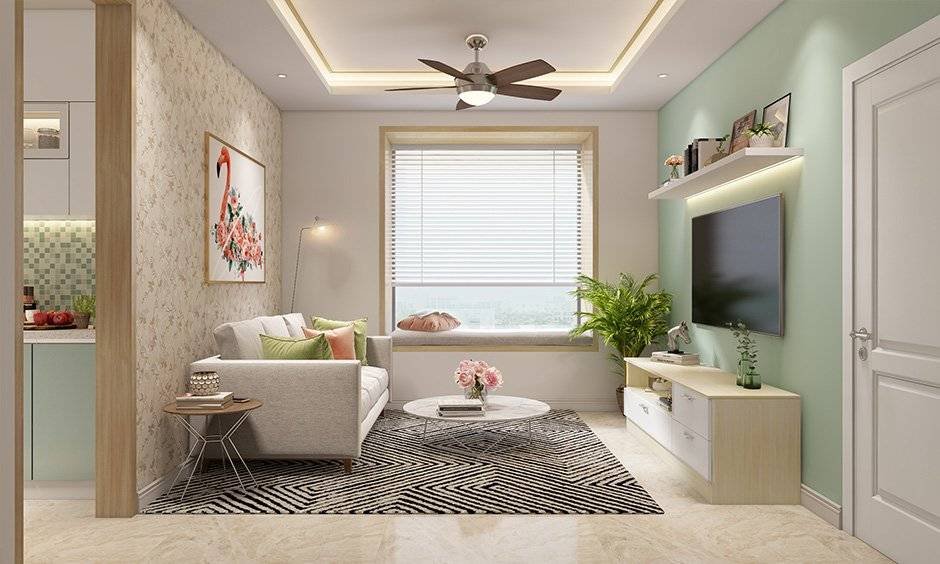
Use a mix of ambient and task lighting to create a balanced environment. Recessed lights, floor lamps, and sconces can all contribute to a glare-free, evenly lit space. Avoid harsh shadows by layering light sources and using dimmers to adjust brightness as needed.
Kitchens and Workspaces
Bright, shadow-free lighting is crucial in areas where sharp tools and hot surfaces are present. Install under-cabinet lights to illuminate countertops and consider adding overhead fixtures for general visibility. For more tips, explore types of home lighting to find the best solutions for your kitchen.

Stairways and Hallways
These high-traffic areas are common sites for accidents. Install wall-mounted sconces, recessed step lights, or motion-activated fixtures to ensure every step is visible. Night lights can be especially helpful for late-night trips. For additional ideas, see indoor lighting for safety.
Bathrooms and Bedrooms
Use bright, moisture-safe fixtures in bathrooms, especially near showers and mirrors. In bedrooms, consider dimmable lights and night lights to provide gentle illumination without disturbing sleep. Motion sensor night lights are a smart addition for children’s rooms and for older adults who may need to get up at night.
Outdoor Lighting for Enhanced Security
Exterior illumination is a key component of a secure home. Install floodlights or motion-activated fixtures near entryways, garages, and walkways. Pathway lights make it easier to navigate at night and reduce the risk of falls. For a detailed look at outdoor solutions, visit outdoor lighting for safety.
Smart Lighting and Automation
Advances in technology make it easier than ever to automate your home’s lighting for both convenience and protection. Smart bulbs and switches can be programmed to turn on and off at specific times, simulate occupancy when you’re away, or adjust brightness based on ambient light levels. Motion sensors and timers are especially helpful for ensuring lights are always on when needed, without wasting energy.
Nighttime Illumination and Accident Prevention
Night lights and low-level illumination are essential for safe movement after dark. Place plug-in or battery-powered lights in hallways, bathrooms, and bedrooms to guide your way without harsh glare. This is particularly important for households with children, seniors, or anyone prone to nighttime wandering. For more on this topic, explore night lighting for safety.
Maintenance Tips for Reliable Lighting
- Replace burnt-out bulbs promptly and consider switching to long-lasting LEDs.
- Clean fixtures regularly to maximize brightness and minimize fire hazards.
- Test motion sensors and timers periodically to ensure proper function.
- Review your lighting plan annually and adjust as your needs change.
Frequently Asked Questions
What are the most important areas to illuminate for home safety?
Focus on entryways, staircases, hallways, kitchens, bathrooms, and outdoor paths. These high-traffic areas benefit most from targeted lighting to prevent accidents and improve visibility.
How can I make my lighting more energy-efficient while staying safe?
Use LED bulbs, install motion sensors, and add timers or smart switches to reduce energy consumption. LEDs offer bright, reliable light and last much longer than traditional bulbs.
Are motion sensor lights effective for both indoor and outdoor use?
Yes, motion sensor lights are highly effective in both settings. Indoors, they’re great for stairways, hallways, and bathrooms. Outdoors, they deter intruders and provide illumination only when needed, saving energy.
Where can I learn more about different types of home lighting?
For a detailed overview, visit types of home lighting to explore various options and their benefits.