

Creating a secure and comfortable living environment starts with the right lighting choices. Indoor lighting for safety goes beyond aesthetics—it’s about reducing accidents, improving visibility, and supporting the well-being of everyone at home. Whether you’re planning a renovation or simply updating fixtures, understanding how to use lighting effectively can make a significant difference in everyday safety.
This guide covers essential strategies for illuminating your home to prevent falls, deter intruders, and help every family member move confidently through each space. For a deeper dive into the basics, you might find What is home lighting a helpful starting point.
Why Proper Illumination Matters for Home Safety
Good lighting is a foundational element of a secure home. Poorly lit areas can lead to trips, slips, and falls—especially on stairs, in hallways, and in entryways. For older adults and children, the risk is even higher. Effective lighting for safety also helps deter break-ins by making it harder for intruders to hide in the shadows.
According to the basic types of lighting guide, layering different sources—ambient, task, and accent—creates a balanced environment that supports both safety and comfort.
Key Areas to Focus on for Safe Indoor Lighting
Each room in your home presents unique challenges and opportunities when it comes to safe lighting. Here are some of the most important areas to address:
- Entryways and Hallways: These high-traffic zones need bright, even illumination to prevent accidents. Consider motion-activated fixtures or night lights for added convenience.
- Staircases: Stairs are a common site for falls. Install lights at both the top and bottom, and use wall sconces or step lights to eliminate shadows.
- Kitchens and Bathrooms: Task lighting is crucial in spaces where sharp objects or water are present. Under-cabinet lights and bright overhead fixtures help reduce the risk of injury.
- Bedrooms: Soft, indirect lighting makes it easier to navigate at night without disturbing sleep. Motion sensor night lights are particularly helpful for children and seniors.
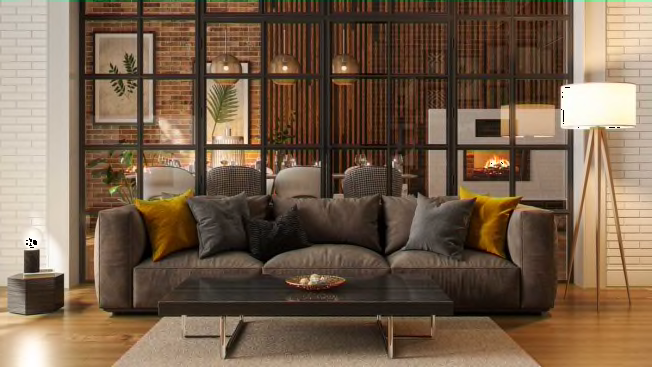
- Living Areas: Use a combination of floor lamps, table lamps, and ceiling lights to create a flexible, well-lit environment.
For more comprehensive advice on creating a brighter, safer home, see home lighting basics.
Choosing the Right Bulbs and Fixtures for Security
The type of bulb and fixture you select can have a big impact on both visibility and energy efficiency. Here are some tips for making smart choices:
- LED Bulbs: These are energy-efficient, long-lasting, and available in a range of brightness levels. They’re ideal for areas that need consistent, reliable light.
- Recessed Lighting: Great for hallways and kitchens, recessed fixtures provide even coverage without taking up space.
- Motion Sensor Lights: Perfect for entryways, bathrooms, and staircases, these lights turn on automatically when movement is detected, reducing the risk of accidents at night.
- Dimmable Fixtures: Adjustable brightness allows you to customize lighting for different activities and times of day, supporting both safety and comfort.
When planning your lighting upgrades, remember to consider the specific needs of each household member. For example, older adults may benefit from brighter, glare-free fixtures, while children’s rooms might need night lights to prevent nighttime falls.
Smart Lighting Solutions for Modern Homes
Technology has made it easier than ever to enhance indoor lighting for safety. Smart bulbs, wireless switches, and programmable timers give you more control over your home’s illumination. Here’s how these innovations can help:
- Automated Schedules: Set lights to turn on at dusk and off at bedtime, ensuring key areas are always well-lit when needed.
- Remote Access: Use your smartphone to adjust lighting from anywhere, which is especially useful when traveling or returning home after dark.
- Voice Control: Integrate with smart home assistants to turn lights on or off hands-free, reducing the risk of tripping while searching for switches.
These solutions not only boost safety but can also help save energy and reduce utility costs over time.
Maintenance and Safety Checks for Lighting Systems
Regular maintenance is essential for keeping your home’s lighting both effective and safe. Here are some best practices:
- Replace Burnt-Out Bulbs Promptly: Even one dark spot can create a hazard, especially in stairways and hallways.
- Clean Fixtures and Covers: Dust and dirt can reduce brightness and create uneven lighting.
- Inspect Wiring and Switches: Look for signs of wear, fraying, or loose connections. If you notice flickering or buzzing, consult a qualified electrician.
- Test Motion Sensors and Timers: Make sure automated features are working as intended, especially in critical areas.
For more detailed safety recommendations, check out home lighting safety tips.
Layering Light for Maximum Protection
A single overhead fixture rarely provides sufficient coverage for a whole room. Layering different types of lighting—ambient, task, and accent—ensures that every corner is visible and accessible. Here’s how to approach this:
- Ambient Lighting: General illumination from ceiling fixtures or recessed lights sets the overall brightness.
- Task Lighting: Focused lights over workspaces, kitchen counters, or reading nooks help prevent accidents during specific activities.
- Accent Lighting: Wall sconces, step lights, or under-cabinet strips highlight potential hazards and add depth to your lighting plan.
Combining these layers allows you to adapt your lighting to different needs throughout the day and night, supporting both safety and comfort.
Frequently Asked Questions
What are the most important areas to light for safety at home?
Entryways, hallways, staircases, kitchens, and bathrooms are critical zones. These areas see the most movement and present the highest risk for accidents if not properly illuminated.
How can I make my lighting safer for seniors and children?
Use bright, glare-free fixtures in main pathways, install motion sensor night lights in bedrooms and bathrooms, and ensure switches are easy to reach. Layering ambient and task lighting also helps reduce shadows and trip hazards.
Are LED bulbs better for safety than traditional bulbs?
Yes, LED bulbs provide brighter, more consistent light and last much longer than incandescent options. They’re also available in a range of color temperatures, allowing you to choose the best option for each room’s needs.
Where can I learn more about the importance of lighting for home safety?
For further reading, visit importance of home lighting to explore how illumination impacts comfort, security, and visibility.