
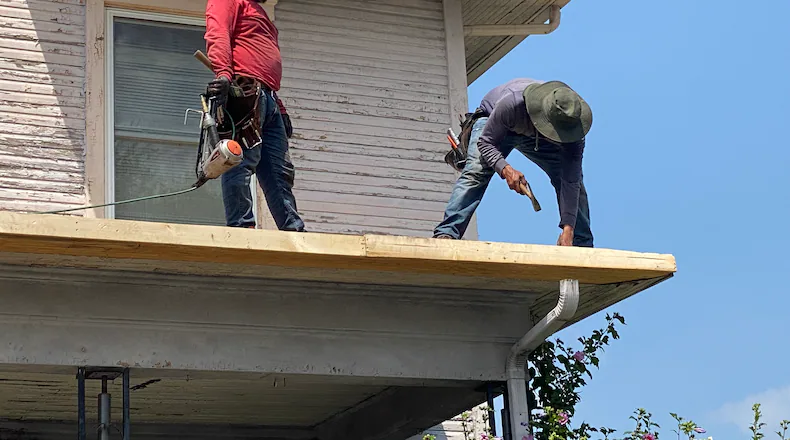
Making a home safer and more comfortable as we age is a priority for many families. Fortunately, there are a variety of home improvement tax credits for elderly individuals that can help offset the costs of essential upgrades. These financial incentives are designed to encourage accessibility modifications, energy efficiency improvements, and other enhancements that support aging in place. Understanding what credits and deductions are available, who qualifies, and how to claim them can make a significant difference in your renovation budget.
This article explores the main types of tax relief and assistance programs for seniors making home modifications. You’ll also find practical advice on eligibility, documentation, and how to maximize your savings. For those considering specific safety upgrades, such as bathroom grab bars for seniors, or looking into broader accessibility solutions, knowing your options can help you plan confidently.
Understanding Tax Credits for Senior Home Upgrades
Tax credits and deductions can help reduce the cost of making a home safer and more accessible for older adults. These incentives are available at both the federal and state levels, though the rules and benefits vary. The most common types of financial relief for seniors include:
- Medical expense deductions for medically necessary home modifications
- Energy efficiency tax credits for upgrades like insulation, windows, or HVAC improvements
- State and local credits for accessibility renovations, such as ramps or stairlifts
- Occasional grant programs or rebates for specific improvements
It’s important to distinguish between a tax credit and a deduction. A credit directly reduces the amount of tax you owe, while a deduction lowers your taxable income. Both can be valuable, but credits typically offer greater savings.
Who Qualifies for Senior Home Improvement Tax Relief?
Eligibility for these incentives depends on several factors, including age, income, disability status, and the type of work performed. Generally, you may qualify if:
- You or a family member living in the home is age 65 or older
- The renovation is medically necessary, such as installing grab bars, ramps, or wider doorways
- The upgrades improve energy efficiency or safety
- You itemize deductions on your federal tax return
For example, the IRS allows you to deduct certain home modifications as medical expenses if they are prescribed by a doctor and primarily benefit the individual with a medical need. This can include wheelchair ramps, stair lifts, accessible showers, and other changes that make daily living safer.
If you’re considering more extensive upgrades, such as walk in tub assistance programs, it’s wise to consult a tax professional to ensure your project meets the necessary criteria.
Types of Home Improvements That May Qualify
Not all renovations are eligible for tax credits or deductions. The following are some of the most common modifications that may qualify for financial relief when completed for medical or accessibility reasons:
- Installing wheelchair ramps or stair lifts
- Adding bathroom safety features, such as grab bars or toilet safety rails for elderly
- Widening doorways and hallways for mobility devices
- Lowering countertops or cabinets for easier access
- Improving lighting and removing tripping hazards
- Upgrading heating, cooling, or insulation for energy efficiency
Keep in mind that general home repairs or aesthetic upgrades, like new flooring or paint, typically do not qualify unless they are directly related to a medical need.
How to Claim Tax Credits and Deductions for Elderly Home Improvements
To take advantage of these savings, it’s essential to keep detailed records of your expenses and ensure your improvements meet the IRS or state requirements. Here’s a step-by-step overview:
- Obtain a written recommendation from a healthcare provider if the modification is for medical reasons.
- Save all receipts, invoices, and proof of payment for materials and labor.
- Document the purpose and nature of each improvement.
- Consult IRS Publication 502 for details on medical expense deductions.
- Include eligible expenses on Schedule A if you itemize deductions.
- For energy efficiency credits, file IRS Form 5695 and retain manufacturer certification statements.
State and local programs may have their own forms and application processes. Some offer direct rebates or credits, while others provide property tax relief for qualifying seniors.
Additional Resources for Senior Home Renovation Assistance
Beyond federal tax relief, many states and municipalities offer grants, low-interest loans, or rebates for accessibility and safety upgrades. Nonprofit organizations and community programs can also help with funding or discounted services. For a comprehensive overview of available options, visit this guide to government and community programs for senior home repairs.
If you’re looking for affordable ways to make your home safer, check out these low cost accessibility upgrades for seniors for practical ideas that may also qualify for financial assistance.
Tips for Maximizing Savings on Senior Home Modifications
To get the most out of available tax credits and deductions for elderly home improvements, consider these practical strategies:
- Plan projects in advance and consult a tax advisor before starting major renovations.
- Bundle multiple qualifying improvements into a single tax year to maximize deductions.
- Research local programs and nonprofit resources for additional support.
- Keep thorough documentation of all expenses and medical recommendations.
- Review IRS and state guidelines annually, as rules and limits can change.
For added peace of mind, consider scheduling home safety inspections for seniors to identify potential hazards and prioritize the most impactful upgrades.
Frequently Asked Questions
What types of home improvements are eligible for tax deductions for seniors?
Eligible improvements typically include medically necessary modifications such as ramps, stair lifts, grab bars, accessible showers, and widened doorways. Energy efficiency upgrades may also qualify for separate tax credits. Always ensure the improvements are recommended by a healthcare provider if claiming as a medical expense.
Can I claim both federal and state tax credits for the same home modification?
In many cases, you can claim both federal and state incentives if you meet the requirements for each program. Be sure to review the specific rules for your state and keep all supporting documentation.
Do I need to itemize deductions to claim home improvement expenses for elderly family members?
Yes, to deduct medical expenses related to home modifications, you must itemize deductions on your federal tax return. If you take the standard deduction, you cannot claim these expenses.
Are there grants available for seniors who cannot afford home modifications?
Yes, some nonprofit organizations, local governments, and community programs offer grants or low-interest loans for accessibility improvements. Research resources in your area and consider reaching out to local agencies for assistance.
Taking advantage of home improvement tax credits for elderly individuals can make essential upgrades more affordable and support safer, more independent living. With the right information and careful planning, you can maximize your savings and create a home environment that meets your needs for years to come.