

As the population ages, the demand for safe, affordable, and accessible living options for older adults continues to grow. Community action programs for senior housing play a vital role in helping older adults remain independent, comfortable, and connected to their communities. These initiatives offer a range of services, from home repairs and accessibility modifications to social support and emergency assistance. Understanding the types of programs available and how to access them can make a significant difference for seniors and their families.
Many organizations, both local and national, are dedicated to improving living conditions for older adults. Whether you are a senior looking for help, a caregiver, or someone interested in supporting aging neighbors, learning about these resources is the first step. For those specifically interested in free home repairs for elderly, there are targeted programs designed to address safety and accessibility challenges.
Types of Support Offered by Local Initiatives
Local organizations and government agencies offer a variety of services to help older adults stay in their homes safely. These services are often provided at low or no cost, especially for those with limited incomes. Some of the most common forms of assistance include:
- Home repairs and modifications: Addressing hazards like loose railings, poor lighting, or uneven flooring.
- Accessibility upgrades: Installing ramps, grab bars, or stairlifts to make homes easier to navigate.
- Energy efficiency improvements: Weatherization, insulation, and energy-saving appliances to reduce utility costs.
- Emergency alert systems: Providing devices and monitoring services for added safety and peace of mind.
- Social and wellness programs: Organizing community meals, transportation, and activities to reduce isolation.
Many of these services are coordinated through local community action agencies, nonprofit organizations, or municipal departments. Eligibility requirements and available resources can vary by location, so it’s important to research options in your area.
How Community Action Programs for Senior Housing Improve Safety and Independence
The primary goal of these initiatives is to help older adults maintain their independence and quality of life. By addressing common safety risks and providing practical support, these programs can prevent accidents, reduce hospitalizations, and delay or avoid the need for institutional care.
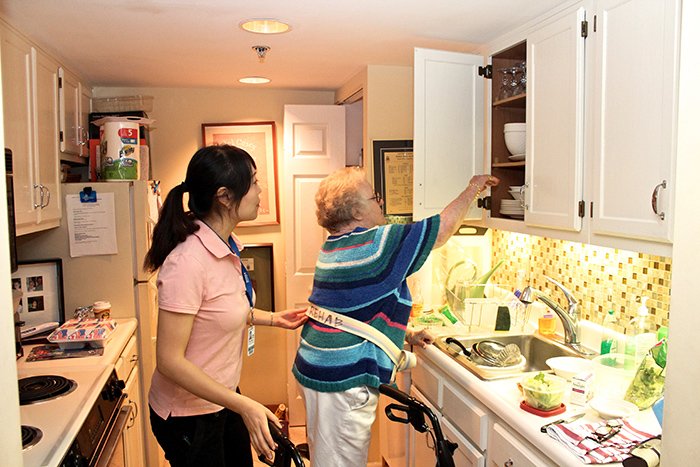
For example, a simple home modification like adding a grab bar or improving lighting can significantly reduce the risk of falls. If you are interested in learning more about lighting solutions, you may want to explore lighting for garden safety or lighting for rainy conditions to further enhance home safety.
Emergency alert systems are another valuable resource. These devices allow seniors to call for help quickly in case of an accident or medical emergency. Many community programs help install and maintain such systems, providing peace of mind for both seniors and their families.
Accessing Home Modifications and Emergency Assistance
Navigating the process of finding and applying for assistance can sometimes feel overwhelming. However, most community action agencies offer guidance and support throughout the application process. Seniors, caregivers, or family members can typically start by contacting their local agency or searching online for programs in their area.
Some organizations, such as Rebuilding Together’s national network, specialize in providing critical home repairs and accessibility modifications for older adults and people with disabilities. These efforts are often supported by volunteers and local contractors, making them accessible to those who might not otherwise afford such improvements.
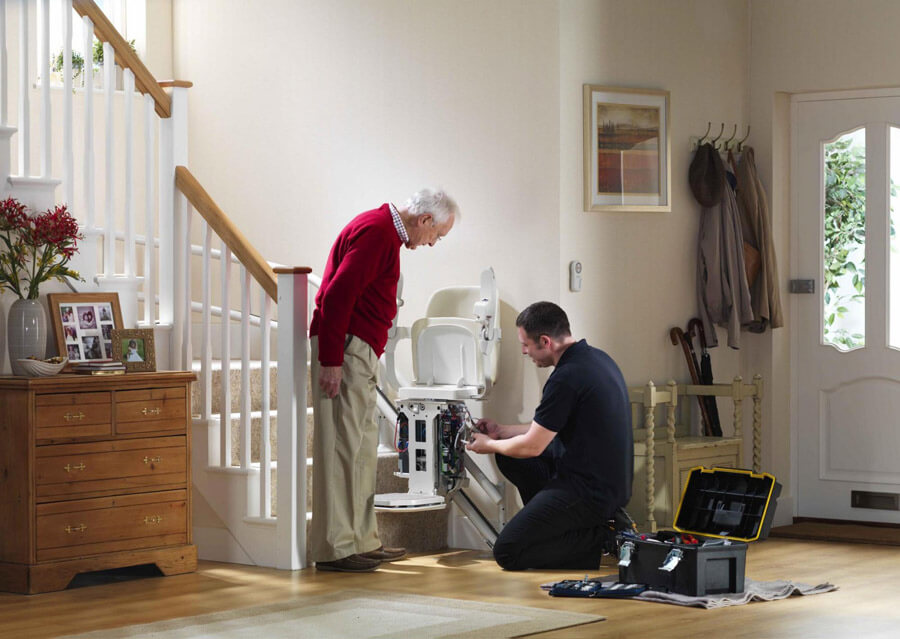
In addition to national organizations, many cities and counties have their own programs. These may include grants, low-interest loans, or direct services for home repairs, weatherization, and accessibility upgrades. It’s also worth exploring resources like low income senior home improvement programs for more comprehensive support.
Maximizing the Benefits of Community-Based Senior Housing Programs
To get the most out of these resources, it’s important to be proactive. Here are a few tips for seniors and caregivers:
- Start early: Many programs have waitlists or application deadlines, so begin your search as soon as possible.
- Gather documentation: Be prepared to provide proof of income, residency, and age to qualify for assistance.
- Ask about multiple services: Some agencies offer bundled support, such as home repairs combined with wellness checks or transportation.
- Stay informed: Program offerings and eligibility requirements can change, so check back regularly or sign up for updates.
- Network with others: Local senior centers, faith communities, and neighborhood groups can be valuable sources of information and referrals.
In addition to physical modifications, many community programs also focus on social connection and mental well-being. Activities like group meals, exercise classes, and educational workshops can help seniors stay engaged and reduce feelings of isolation.
For those living in areas prone to water hazards, reviewing lighting for water hazards can further enhance home safety and accident prevention.
Frequently Asked Questions
What types of home modifications are typically covered by community programs?
Most initiatives focus on safety and accessibility. Common modifications include installing ramps, grab bars, stairlifts, improved lighting, non-slip flooring, and widening doorways. Some programs may also offer weatherization or energy efficiency upgrades.
Who is eligible for assistance from local senior housing initiatives?
Eligibility varies by program, but most prioritize older adults with limited incomes or disabilities. Some services are available to all seniors in a community, while others have stricter requirements related to age, income, or homeownership.
How can I find programs in my area?
Start by contacting your local community action agency, Area Agency on Aging, or municipal housing department. You can also search online or ask at senior centers, libraries, or faith-based organizations for referrals to relevant services.
Conclusion
Local and national initiatives for senior housing are essential for supporting older adults who wish to age in place. By providing home repairs, accessibility upgrades, and emergency support, these programs help create safer, more comfortable living environments. Staying informed about available resources and acting early can ensure that seniors and their families benefit from the full range of support offered by their communities.