
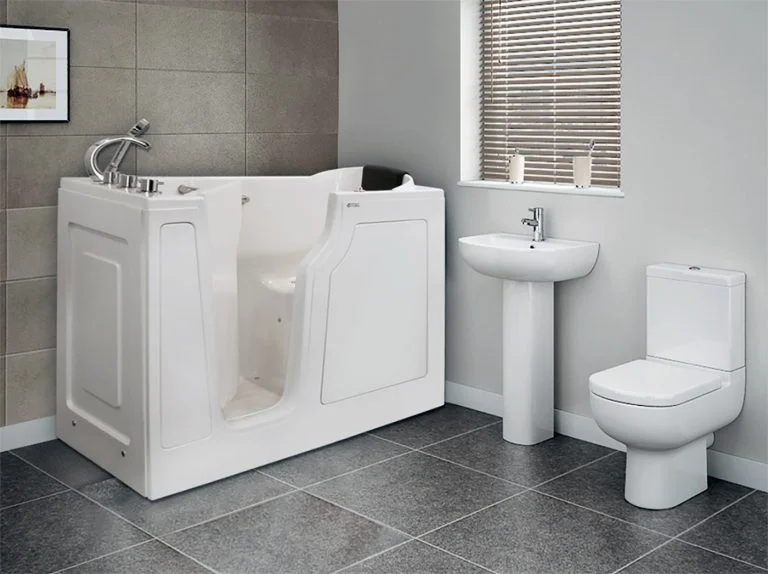
Choosing the right surface for your walk-in shower can make a significant difference in both the look and longevity of your bathroom. The best materials for walk-in shower walls combine resilience, easy maintenance, and a style that fits your home. Whether you’re remodeling for accessibility, updating for resale value, or simply want a fresh look, understanding your options helps you make an informed decision.
Walk-in showers are especially popular among those seeking safer, more accessible bathing solutions. If you’re interested in the benefits of walk-in showers for seniors, you’ll find that material choice plays a key role in both safety and comfort. This article explores the most reliable and attractive wall options, their pros and cons, and what to consider for your unique needs.
Ceramic and Porcelain Tile: Classic and Customizable
Ceramic and porcelain tiles remain a top choice for walk-in shower enclosures due to their versatility and durability. These tiles are available in a wide range of colors, patterns, and sizes, allowing for custom designs that suit any bathroom style.
- Durability: Both ceramic and porcelain are highly resistant to water and stains, making them ideal for wet environments.
- Maintenance: Regular cleaning is straightforward, but grout lines may require occasional resealing to prevent mold and mildew.
- Style: The variety of finishes and patterns means you can achieve anything from a sleek modern look to a traditional feel.
For those seeking a balance between cost and long-term performance, tile is a reliable option. However, installation can be labor-intensive and may require a professional for best results.
Solid Surface Panels: Seamless and Low-Maintenance
Solid surface materials, such as acrylic, cultured marble, or engineered stone, offer a seamless appearance and are among the best materials for walk-in shower walls when easy cleaning is a priority. These panels are manufactured in large sheets, minimizing joints and reducing places where mold can develop.
- Durability: Resistant to scratches, stains, and moisture. Less likely to chip compared to tile.
- Maintenance: Non-porous surfaces make cleaning simple—just wipe down with a mild cleaner.
- Style: Available in a variety of colors and can mimic the look of stone or tile without the upkeep.
Solid surface panels are a great fit for those who want a modern, streamlined look and minimal maintenance. They’re also a smart choice for aging-in-place renovations, as fewer seams mean fewer slip hazards and easier upkeep.
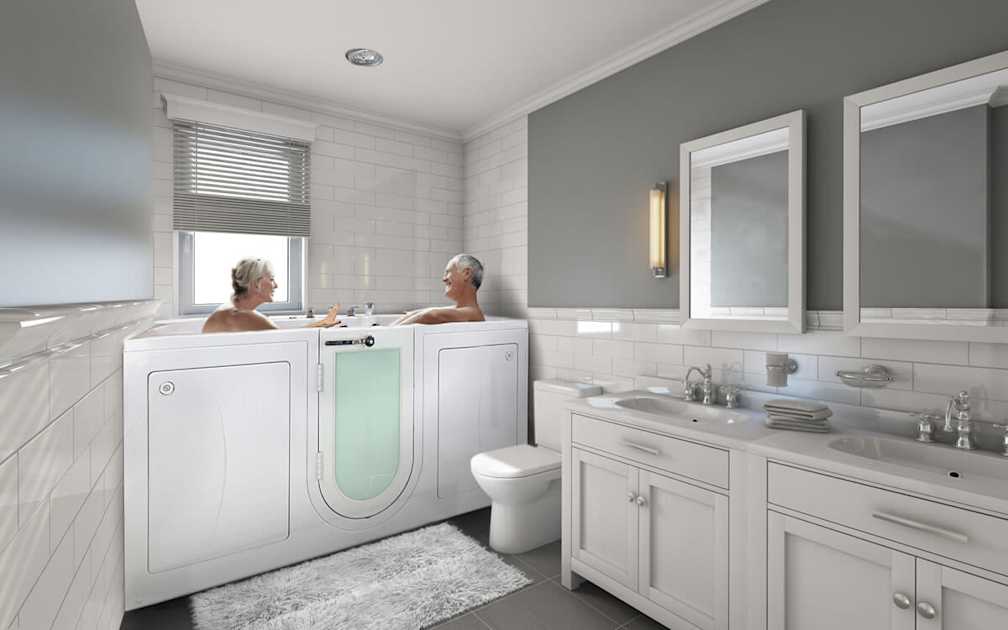
Natural Stone: Luxury and Longevity
For homeowners seeking a high-end finish, natural stone such as marble, granite, or slate delivers a timeless and elegant look. Stone is one of the most durable options available, but it does require more care to maintain its appearance.
- Durability: Exceptionally long-lasting when properly sealed and maintained.
- Maintenance: Requires regular sealing to prevent water absorption and staining. Cleaning should be done with stone-safe products.
- Style: Each slab is unique, offering one-of-a-kind patterns and colors that add value and sophistication to your bathroom.
While natural stone is an investment, it can dramatically increase the appeal and resale value of your home. It’s especially suitable for master bathrooms or luxury remodels where aesthetics are a top priority.
Fiberglass and Acrylic: Affordable and Accessible
Prefabricated fiberglass and acrylic panels are among the most budget-friendly solutions for walk-in shower surrounds. These materials are lightweight, easy to install, and often used in accessible bathroom designs.
- Durability: Resistant to cracking and fading, though not as robust as tile or stone.
- Maintenance: Smooth, non-porous surfaces make cleaning a breeze. Occasional polishing can restore shine.
- Style: Available in a range of colors and textures, but may not offer the same premium look as tile or stone.
Fiberglass and acrylic are ideal for quick renovations, rental properties, or secondary bathrooms. Their slip-resistant textures and seamless installation make them a practical choice for aging-in-place projects.
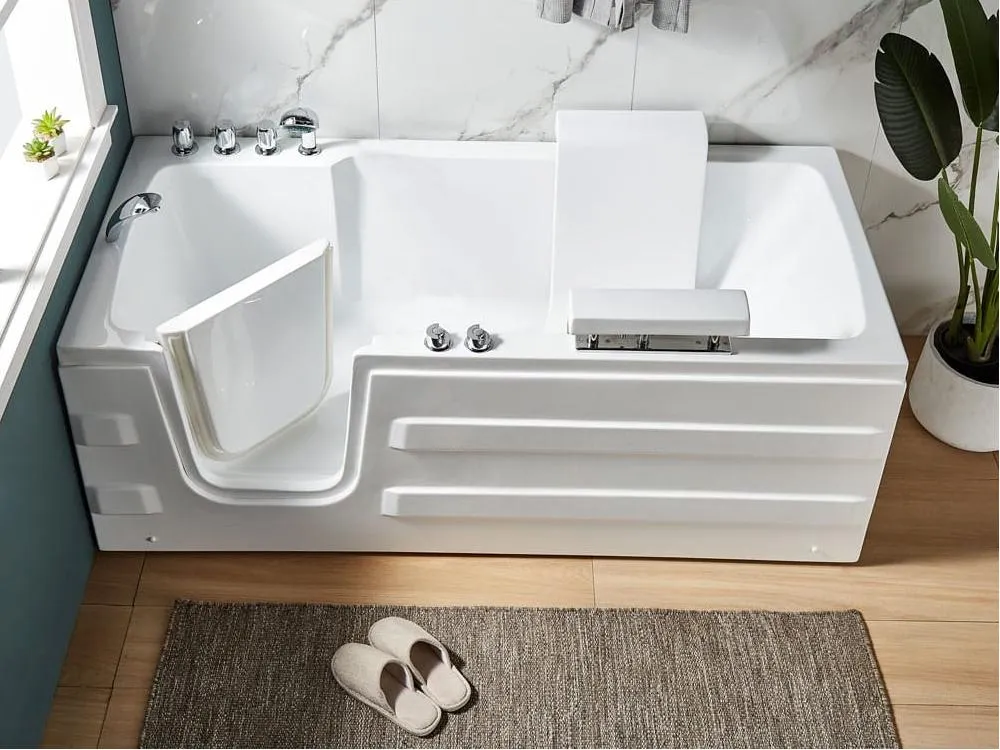
Glass Panels: Modern and Open
While not a wall material in the traditional sense, glass panels are often used in walk-in showers to create a sense of openness and allow natural light to flow through the space. They pair well with any of the above wall surfaces and can be frosted, textured, or clear.
- Durability: Tempered glass is strong and shatter-resistant.
- Maintenance: Requires regular cleaning to prevent water spots and soap scum buildup.
- Style: Offers a clean, contemporary look and can make small bathrooms feel larger.
Glass is best used in combination with other wall materials, providing both function and a modern aesthetic. For more on accessible bathing options, see what are walk-in tubs for a detailed overview.
What to Consider When Choosing Shower Wall Materials
When selecting the right surface for your walk-in shower, keep the following factors in mind:
- Water Resistance: Ensure the material is suitable for high-moisture environments.
- Slip Resistance: Textured finishes or non-slip coatings can enhance safety, especially for seniors or those with mobility challenges.
- Maintenance Needs: Some materials require more upkeep than others. Consider your willingness to clean and reseal as needed.
- Budget: Costs can vary widely. Factor in both material and installation expenses.
- Style Preferences: Choose a look that complements your bathroom and adds value to your home.
For those planning to age in place, it’s wise to review what makes an aging-in-place walk-in shower to ensure your choices align with long-term accessibility and safety goals.
Comparing the Top Choices for Walk-In Shower Walls
| Material | Pros | Cons |
|---|---|---|
| Ceramic/Porcelain Tile | Customizable, durable, water-resistant | Grout maintenance, professional installation recommended |
| Solid Surface Panels | Seamless, low-maintenance, modern look | Limited design options, higher upfront cost |
| Natural Stone | Luxurious, unique patterns, adds value | Requires sealing, higher maintenance and cost |
| Fiberglass/Acrylic | Affordable, easy to install, low-maintenance | Less durable, limited style options |
| Glass Panels | Modern, open feel, easy to pair with other materials | Shows water spots, not a standalone wall material |
FAQ: Common Questions About Walk-In Shower Wall Materials
Which material is easiest to clean for walk-in shower walls?
Solid surface panels and acrylic are among the easiest to maintain. Their seamless, non-porous surfaces resist mold and mildew, requiring only a quick wipe-down with a mild cleaner.
Are natural stone walls suitable for high-traffic bathrooms?
Natural stone is very durable but does require regular sealing and careful cleaning. It’s best suited for bathrooms where maintenance is a priority and a luxurious look is desired.
What’s the most budget-friendly option for walk-in shower walls?
Fiberglass and acrylic panels are typically the most affordable choices. They offer quick installation and low maintenance, making them ideal for budget-conscious renovations or secondary bathrooms.
How do I choose the safest material for seniors or those with mobility issues?
Look for materials with slip-resistant textures and minimal seams, such as solid surface panels or textured acrylic. For more on safety, see our guide to safety features of walk-in bathtubs.
Can I mix different materials in my walk-in shower?
Yes, combining materials like tile and glass or stone and acrylic can create a unique look and meet both style and maintenance needs. Just ensure all materials are suitable for wet environments.
For further inspiration on making your home more comfortable and accessible, explore our tips for simple home upgrades for elderly comfort.