
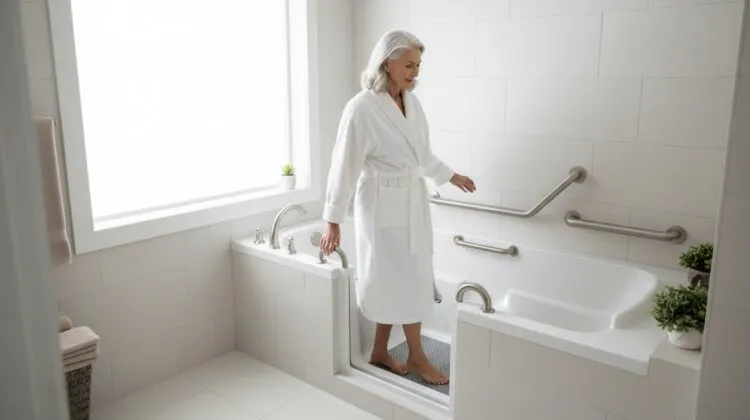
As people age, maintaining independence and safety at home becomes increasingly important. The bathroom, with its slippery surfaces and high thresholds, can present significant challenges for older adults. One of the most effective ways to enhance both comfort and security is by upgrading to a walk-in shower. These modern bathing solutions are designed specifically with accessibility in mind, making daily routines easier and safer for those wishing to age in place.
In this article, we’ll explore the benefits of walk-in showers for seniors, how they contribute to a safer home environment, and why they’re a smart investment for anyone planning to remain in their home as they grow older. For those considering additional modifications, you may also find value in resources like simple home upgrades for elderly comfort, which offer further ideas for creating a supportive living space.
Enhanced Safety and Reduced Fall Risk
One of the primary advantages of walk-in showers for older adults is the significant improvement in bathroom safety. Traditional tubs and showers often require stepping over a high edge, which can be difficult for those with limited mobility or balance issues. Walk-in showers, by contrast, feature low or even zero-threshold entry, allowing users to step in and out with minimal effort.
Many models also include built-in grab bars, non-slip flooring, and seating options. These features help prevent slips and falls, which are among the leading causes of injury for seniors at home. By minimizing obstacles and providing sturdy support, walk-in showers create a safer bathing experience and offer peace of mind for both users and their loved ones.
Improved Accessibility and Independence
Maintaining autonomy is a key goal for many seniors. Walk-in showers are designed to accommodate a wide range of mobility needs, making it easier for individuals to bathe without assistance. The spacious, open layout can accommodate walkers or wheelchairs, and many units can be customized with adjustable showerheads and easy-to-reach controls.
For those interested in further enhancing home safety, the DIY home safety improvements for seniors guide provides practical tips for making every room more accessible.
Comfort and Convenience for Daily Living
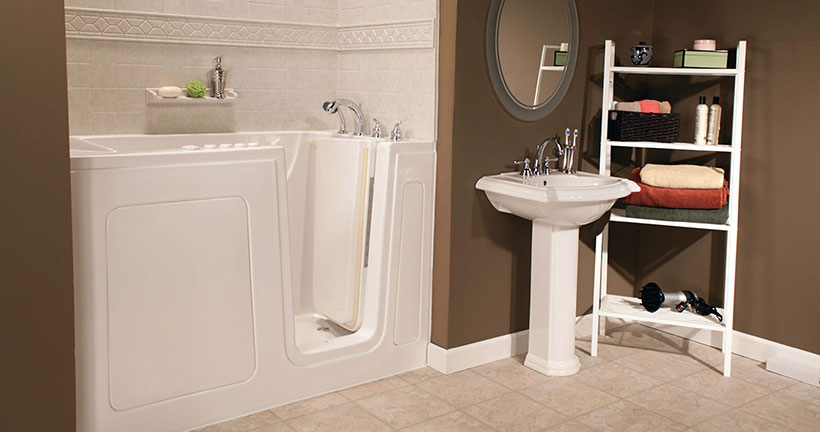
Beyond safety, walk-in showers offer a more comfortable and convenient bathing experience. Many units feature built-in benches or fold-down seats, allowing users to sit while showering. This is especially helpful for those with arthritis, joint pain, or fatigue. The open design also makes it easier for caregivers to provide assistance when needed, without compromising the dignity or privacy of the individual.
Additional features such as handheld showerheads, thermostatic controls, and easy-to-clean surfaces further enhance the user experience. These thoughtful touches can make daily routines more enjoyable and less physically demanding.
Supporting Aging in Place With Modern Design
Aging in place is a growing trend, with more people choosing to remain in their own homes rather than move to assisted living facilities. Walk-in showers support this goal by making the bathroom safer and more accessible, allowing seniors to maintain their independence for longer.
According to expert advice on aging in place with walk-in showers, these upgrades can also increase the overall value of a home and appeal to future buyers who may have similar needs.
Customization and Stylish Options
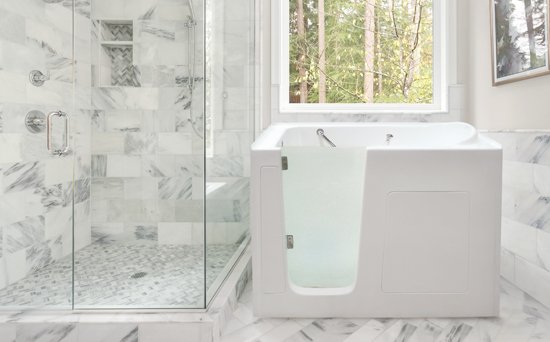
Modern walk-in showers are available in a variety of styles, sizes, and finishes, making it easy to find an option that fits both functional needs and personal taste. Whether you prefer a minimalist look or want to incorporate luxury features like rainfall showerheads and glass enclosures, there are solutions to suit every preference.
Customization can also include additional safety features, such as anti-scald valves and built-in shelving for easy access to toiletries. These enhancements not only improve usability but also help create a bathroom environment that feels welcoming and tailored to the user.
Cost Considerations and Financial Assistance
While the initial investment in a walk-in shower can be higher than a standard tub, the long-term benefits often outweigh the costs. Reduced risk of injury, increased independence, and potential home value appreciation are all important factors to consider. Some insurance plans or local programs may offer financial assistance or tax credits for accessibility upgrades. For more information on possible savings, explore the home improvement tax credits for elderly guide.
Additionally, energy-efficient fixtures and water-saving showerheads can help lower utility bills over time, making these upgrades even more cost-effective.
Maintenance and Hygiene Benefits
Walk-in showers are generally easier to clean and maintain than traditional tubs. The seamless design reduces the number of crevices where mold and mildew can accumulate, and many models use materials that resist staining and soap scum buildup. This not only saves time but also contributes to a healthier bathroom environment.
For seniors who may have difficulty with deep cleaning tasks, the low-maintenance nature of walk-in showers is a significant advantage.
Frequently Asked Questions
Are walk-in showers safer than traditional bathtubs for seniors?
Yes, walk-in showers are generally much safer due to their low or no-threshold entry, non-slip surfaces, and the availability of grab bars and seating. These features help reduce the risk of slips and falls, which are common hazards in traditional tubs.
Can walk-in showers be installed in small bathrooms?
Absolutely. Walk-in showers come in a range of sizes and can often be customized to fit smaller spaces. Many designs are specifically created to maximize accessibility without requiring a large footprint.
Is financial help available for installing a walk-in shower?
Some insurance policies, Medicare Advantage plans, or local government programs may offer assistance or rebates for accessibility upgrades. It’s also worth looking into utility bill assistance programs for seniors and tax credits that can help offset the cost.
What additional features can enhance a walk-in shower for aging in place?
Features like built-in benches, handheld showerheads, anti-scald valves, and easy-to-reach controls can further improve safety and convenience. Custom shelving and slip-resistant flooring are also popular enhancements.
Conclusion
Upgrading to a walk-in shower is a practical step for anyone looking to improve safety, comfort, and independence at home. With a range of customizable features and proven benefits, these modern bathing solutions support aging in place and contribute to a higher quality of life. For more ideas on making your home safer and more comfortable, explore resources on energy assistance programs for elderly and other home modifications designed for seniors.