As people age, maintaining a safe and comfortable home environment becomes increasingly important. Many older adults face challenges with home repairs due to limited mobility, fixed incomes, or health concerns. Fortunately, a range of city home repair programs for elderly residents exist to help seniors stay in their homes longer, reduce safety hazards, and improve quality of life. This article outlines how these initiatives work, what types of assistance are available, and how to find and qualify for local support.
If you or a loved one are seeking help with essential repairs, understanding your options can make a significant difference. From accessibility upgrades to emergency fixes, these resources are designed to address the unique needs of older homeowners. For those interested in broader support, our guide to free home repairs for elderly offers additional insights into national and local programs.
Understanding Local Home Repair Assistance for Seniors
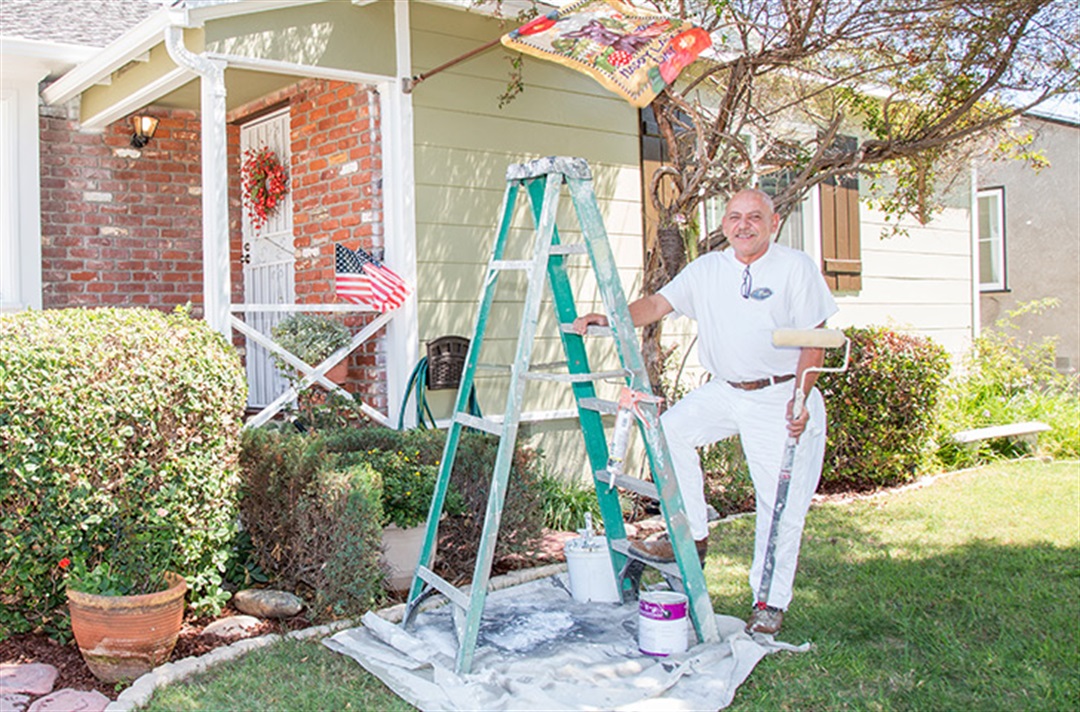
Many municipalities and counties across the United States offer targeted support for older adults who need help maintaining their homes. These city home repair programs for elderly residents typically focus on low- and moderate-income homeowners, aiming to address urgent repairs, accessibility improvements, and safety modifications.
The types of help available can vary widely depending on location and funding. Some programs provide grants that do not need to be repaid, while others offer low-interest or deferred-payment loans. In some cases, cities partner with nonprofits or contractors to deliver services directly.
Common Types of Repairs and Modifications Covered
The scope of work covered by municipal repair initiatives is often determined by the most pressing needs of older residents. Here are some of the most frequent types of assistance:
- Accessibility upgrades: Installing ramps, grab bars, handrails, or widening doorways for wheelchair access.
- Critical repairs: Fixing leaking roofs, faulty plumbing, broken heating or cooling systems, and electrical hazards.
- Safety improvements: Addressing trip hazards, improving lighting, and repairing steps or flooring.
- Weatherization: Adding insulation, sealing windows and doors, or upgrading appliances to improve energy efficiency.
- Emergency repairs: Rapid response for issues that threaten health or safety, such as burst pipes or non-functioning furnaces in winter.
Eligibility and Application Process for Senior Repair Programs
Most city home repair programs for elderly applicants require that the homeowner be above a certain age—often 60 or 62—and meet income guidelines based on household size. Additional criteria may include proof of ownership, current residence in the property, and up-to-date property taxes.
The application process generally involves submitting documentation such as proof of age, income, homeownership, and details about the needed repairs. Some cities may require an inspection to assess the urgency and scope of work. Once approved, the city or its partners will coordinate the repairs, sometimes at no cost or with affordable repayment terms.
How to Find Local Senior Home Repair Resources
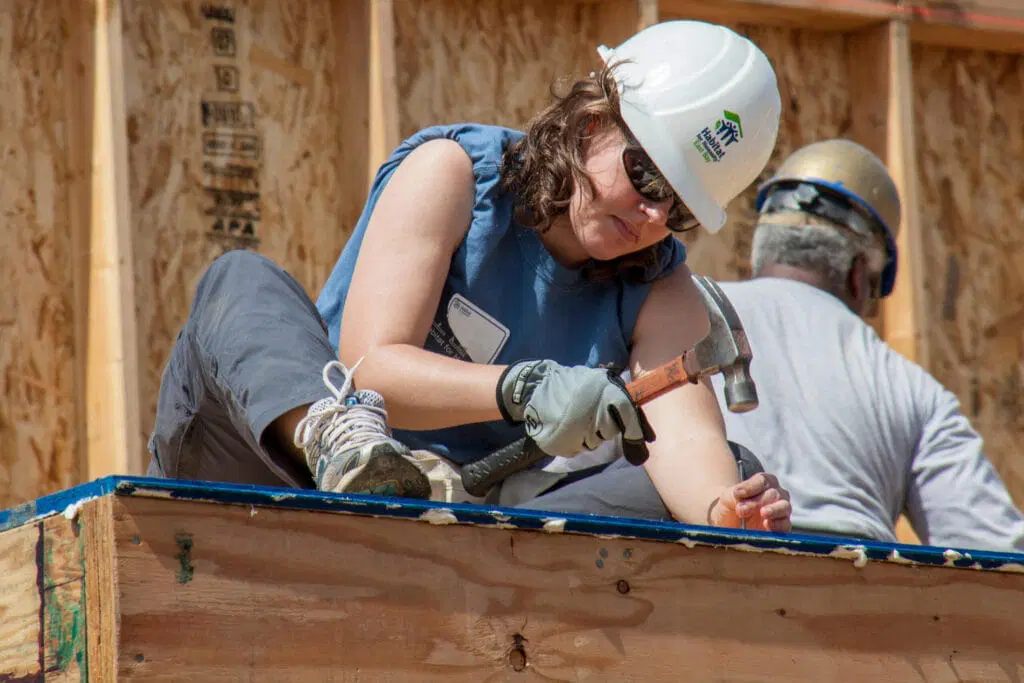
Locating the right program starts with your city or county housing department, community development office, or local Area Agency on Aging. Many municipalities maintain online directories or hotlines for residents seeking assistance. Nonprofit organizations such as Rebuilding Together and Habitat for Humanity also collaborate with cities to deliver services to older adults.
For a comprehensive overview of options, the Habitat for Humanity Aging in Place initiative provides valuable information on home modifications and support for seniors. Additionally, you can explore resources on low income senior home improvement programs for more targeted financial help.
Tips for Navigating City Repair Assistance for Older Adults
- Act early: Funding for these programs is often limited and distributed on a first-come, first-served basis. Apply as soon as you identify a need.
- Gather documentation: Have your proof of income, age, homeownership, and repair estimates ready to streamline the process.
- Ask about waitlists: Some programs fill up quickly, but you may be able to join a waiting list for future funding cycles.
- Explore multiple options: Combine city programs with nonprofit or state-level resources for broader support.
- Prioritize safety: Focus on repairs that address immediate health and safety risks, such as electrical issues or accessibility barriers.
Additional Resources for Safe and Accessible Homes
Beyond direct repair programs, there are other ways to enhance safety and comfort for older adults at home. Consider reviewing our guides on lighting for garden safety, lighting for rainy conditions, and lighting for water hazards to prevent accidents and improve mobility around the property.
Many cities also offer seasonal programs for weatherization, energy efficiency upgrades, and emergency preparedness. Staying informed about these opportunities can help seniors remain independent and secure in their homes for years to come.
Frequently Asked Questions
What types of repairs are usually covered by city programs for seniors?
Most municipal initiatives focus on critical repairs that impact health, safety, or accessibility. This can include fixing roofs, plumbing, electrical systems, installing ramps or grab bars, and addressing hazards like broken steps or poor lighting.
Do I have to repay the assistance received from these programs?
It depends on the specific program. Some offer grants that do not need to be repaid, while others provide low-interest or deferred loans. Always check the terms before applying to understand your obligations.
How can I find out if I qualify for local senior home repair help?
Eligibility is typically based on age, income, and homeownership status. Contact your city or county housing department, or your local Area Agency on Aging, to learn about requirements and start the application process.