
As people age, maintaining a safe and comfortable home environment becomes increasingly important. Many older adults face challenges with mobility, accessibility, and home upkeep, making it essential to find reliable support and information. This guide explores local senior home improvement resources that can help older adults and their families identify trustworthy assistance, affordable repair programs, and practical safety upgrades.
Whether you are a senior homeowner, a caregiver, or a concerned family member, understanding the range of services and programs available in your community can make a significant difference. From government grants to nonprofit initiatives and specialized contractors, there are many options to help make homes safer and more accessible for aging in place.
For those seeking free home repairs for elderly or guidance on affordable upgrades, it’s helpful to start with reputable sources. You can learn more about available programs by visiting free home repairs for elderly for a comprehensive overview of assistance options.
Understanding Local Assistance Programs for Seniors
Many communities offer dedicated programs to help older adults maintain their homes. These initiatives may provide financial aid, volunteer labor, or discounted services for essential repairs and modifications. The goal is to support seniors in living independently and safely.
- Home modification grants: Local governments and nonprofits often provide funding for accessibility improvements, such as ramps, grab bars, and widened doorways.
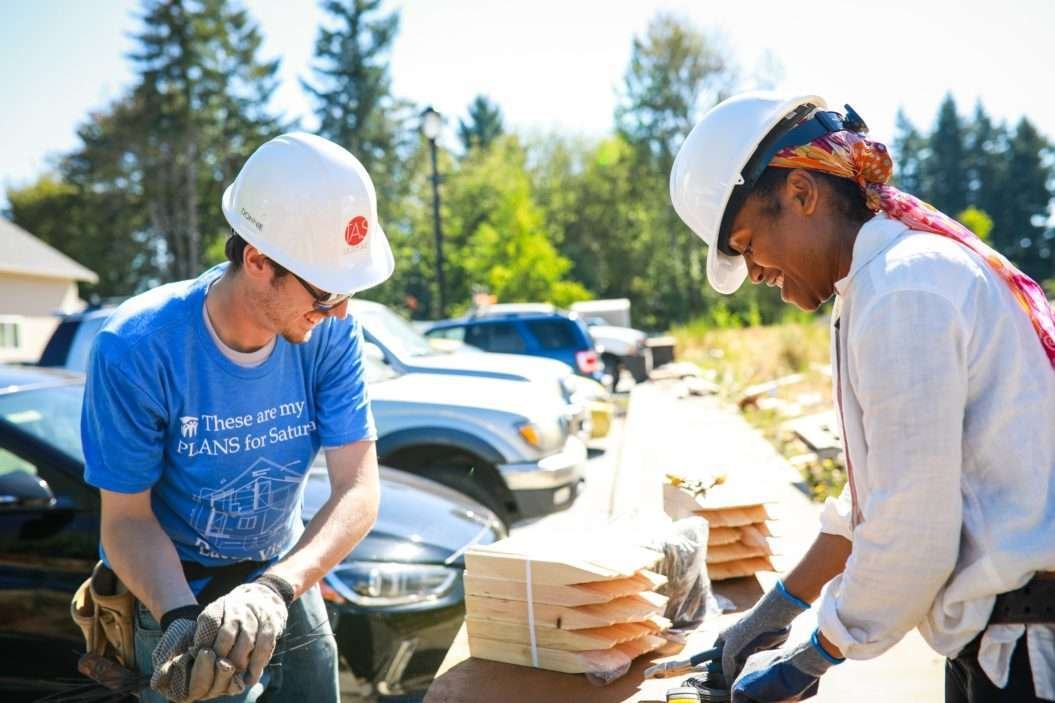
- Volunteer repair services: Organizations may coordinate volunteers to assist with minor repairs, yard work, or safety upgrades at little or no cost.
- Discounted contractor referrals: Some programs connect seniors with vetted professionals who offer reduced rates on home improvements.
For those with limited income, exploring low income senior home improvement programs can reveal additional resources tailored to financial need.
Key Features of Senior-Focused Home Improvement Support
When searching for local senior home improvement resources, it’s important to look for programs that address both safety and accessibility. Here are some features to consider:
- Accessibility modifications: These include installing ramps, stairlifts, handrails, and accessible bathroom fixtures to reduce fall risks and improve mobility.
- Home safety assessments: Many organizations offer evaluations to identify hazards and recommend practical improvements.
- Weatherization and energy efficiency: Upgrades such as insulation, weather stripping, and efficient lighting can lower utility bills and increase comfort.
- Emergency repairs: Some programs prioritize urgent needs like fixing heating, plumbing, or electrical issues to ensure the home remains livable.

How to Find Reliable Local Help
Locating trustworthy assistance can feel overwhelming, but several strategies can simplify the process. Start by contacting your local Area Agency on Aging, which often maintains a directory of vetted service providers and programs. Libraries, community centers, and senior advocacy groups are also valuable sources of information.
It’s wise to ask for references, verify credentials, and compare multiple quotes before hiring contractors. For more details on the benefits of specialized programs, see this overview of senior citizen home repair program advantages.
Common Types of Assistance Available
- Minor home repairs: Fixing leaky faucets, broken steps, or damaged flooring.
- Accessibility upgrades: Adding ramps, grab bars, or non-slip surfaces.
- Lighting improvements: Installing brighter bulbs or motion-activated lights to prevent falls. For tips on outdoor safety, check out lighting for garden safety and lighting for rainy conditions.
- Hazard mitigation: Addressing water hazards or electrical issues. Learn more about lighting for water hazards to prevent accidents.

Tips for Maximizing Home Safety and Comfort
Making small changes can have a big impact on daily life for older adults. Here are some practical suggestions to enhance safety and comfort:
- Remove tripping hazards such as loose rugs and cluttered walkways.
- Ensure all rooms are well-lit, especially stairways and entrances.
- Install lever-style door handles and faucets for easier use.
- Consider a medical alert system for added peace of mind in emergencies.
- Schedule regular maintenance checks for heating, plumbing, and electrical systems.
For those on a tight budget, combining local grants with volunteer services can stretch resources further. Don’t hesitate to reach out to multiple organizations to compare what’s available in your area.
Frequently Asked Questions
What types of home improvement assistance are available for seniors?
Older adults can access a range of support, including grants for accessibility modifications, volunteer repair services, discounted contractor referrals, and emergency repairs. Many communities also offer home safety assessments and weatherization upgrades.
How do I qualify for local senior home improvement programs?
Eligibility requirements vary by program but often consider factors such as age, income, and homeownership status. Some programs prioritize low-income seniors or those with disabilities. It’s best to contact your local Area Agency on Aging or community organizations for specific criteria.
Are there resources for seniors who rent their homes?
While many programs focus on homeowners, some assistance may be available for renters, especially for accessibility modifications. Renters should speak with their landlords and local agencies to explore possible options.
Conclusion
Navigating the world of local senior home improvement resources can seem daunting, but a wealth of support exists for those who know where to look. By leveraging local programs, nonprofit organizations, and trusted contractors, older adults can maintain safe, comfortable homes and enjoy greater independence as they age. Take the time to explore your community’s offerings and don’t hesitate to ask for help—small improvements can make a lasting difference.