
Creating a bathroom that is both comfortable and safe is essential for people of all ages, but especially for seniors and those with limited mobility. With the right upgrades, you can transform this frequently used space into a place that supports independence, reduces the risk of accidents, and makes daily routines easier. This guide explores practical bathroom comfort and safety improvements that can make a real difference, from grab bars and non-slip surfaces to smart design choices and assistive technology.
Whether you’re planning a full remodel or looking for simple changes, prioritizing safety features can help everyone feel more secure and confident. For those interested in broader home modifications, you may also find value in learning about home safety for elderly couples, which covers essential upgrades throughout the house.
Why Prioritize Comfort and Safety in the Bathroom?
Bathrooms are among the most common places for slips, falls, and injuries, particularly for older adults. Wet floors, hard surfaces, and tight spaces can make even simple tasks risky. By focusing on bathroom comfort and safety improvements, you not only help prevent accidents but also promote a sense of dignity and independence for everyone who uses the space.
Comfort upgrades—such as ergonomic fixtures and accessible layouts—also make daily routines less strenuous. These changes can benefit not just seniors, but anyone recovering from surgery, living with a disability, or simply wanting a safer, more enjoyable bathroom experience.
Essential Upgrades for a Safer Bathroom
There are several proven ways to enhance both comfort and safety in the bathroom. Here are some of the most effective solutions:
1. Install Grab Bars for Stability
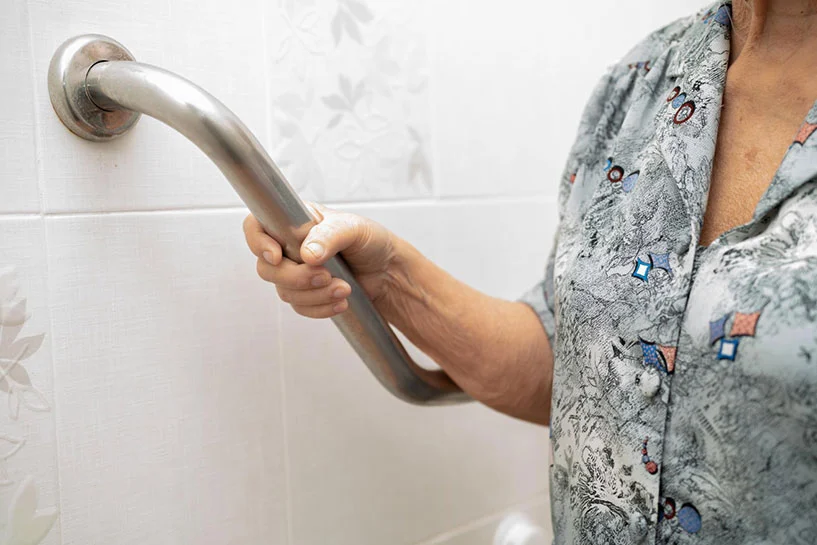
Grab bars are one of the most recommended safety features for bathrooms. They provide reliable support when moving in and out of the shower, standing up from the toilet, or navigating slippery floors. Properly installed grab bars reduce the risk of falls and help users maintain balance.

For more information on how grab bars can improve safety for seniors, visit this detailed guide on grab bar benefits.
2. Non-Slip Flooring and Mats
Slippery surfaces are a leading cause of bathroom injuries. Upgrading to non-slip flooring or adding textured mats in the shower and near the sink can significantly reduce fall risks. Look for mats with strong suction cups and materials that dry quickly to prevent mold.
When choosing flooring, consider vinyl, textured tile, or rubber options designed for wet environments. These materials offer better traction and are easier to clean than traditional tiles.
3. Supportive Toilet and Bath Solutions
Standard toilets and tubs can be difficult for those with limited mobility. Raised toilet seats, toilet safety rails, and walk-in tubs or showers are excellent upgrades. These features make it easier to sit, stand, and transfer safely, reducing strain on joints and muscles.
Many people also benefit from shower benches or fold-down seats, which provide a secure place to rest while bathing. These additions can be especially helpful for those who tire easily or have balance concerns.
Enhancing Comfort with Thoughtful Design
Comfort goes hand-in-hand with safety. A well-designed bathroom layout can make daily routines smoother and less stressful. Here are some ideas to consider:
Accessible Layouts and Clear Pathways
Ensure there is enough space to move around comfortably, especially if mobility aids like walkers or wheelchairs are used. Widening doorways, removing unnecessary obstacles, and keeping floors clear of clutter all contribute to a safer environment.
If you’re interested in comparing different types of support equipment, the article on support rails vs other mobility aids offers valuable insights.
Lever-Style Faucets and Easy-to-Use Fixtures
Traditional knobs can be difficult for those with arthritis or limited hand strength. Lever-style faucets, touchless controls, and larger handles are easier to operate and reduce the effort required for daily tasks. These upgrades also help prevent scalding by allowing for more precise temperature control.
Improved Lighting for Visibility
Poor lighting increases the risk of accidents. Install bright, even lighting throughout the bathroom, especially near the shower, toilet, and sink. Motion-activated night lights are a simple addition that can make nighttime trips to the bathroom much safer.
Smart Technology and Assistive Devices
Modern technology offers new ways to improve both comfort and safety in the bathroom. Devices like automatic soap dispensers, smart mirrors, and voice-activated lights are convenient and reduce the need for physical effort. For those seeking more advanced solutions, bathroom assistance technology for elderly provides an overview of the latest innovations.
Other helpful devices include:
- Shower temperature monitors to prevent burns
- Water overflow alarms for sinks and tubs
- Hands-free flushing systems
These upgrades not only make the bathroom safer but also add a layer of convenience that benefits everyone in the household.
Maintaining Safety: Regular Checks and Upkeep
Even the best safety features require regular maintenance. Check grab bars, rails, and other supports periodically to ensure they remain securely fastened. Replace worn-out mats and inspect lighting to keep everything in optimal condition.
For a comprehensive look at how to prevent injuries throughout the home, the resource on senior injury prevention at home offers practical advice for every room.
Frequently Asked Questions
What are the most important safety features for a bathroom?
The most impactful features include grab bars, non-slip flooring, raised toilet seats, and adequate lighting. These upgrades address the main causes of bathroom injuries and support independent living.
How do I choose the right grab bars and where should they be installed?
Select grab bars that are sturdy, rust-resistant, and designed for wet environments. Install them near the toilet, inside and outside the shower or tub, and anywhere extra support is needed. Always follow manufacturer guidelines for secure installation.
Are there affordable ways to improve bathroom comfort and safety?
Yes, many upgrades are budget-friendly. Non-slip mats, lever-style faucet handles, and motion-sensor night lights are simple changes that can make a big difference. Prioritize the most critical areas first and add more features over time as needed.
Conclusion
Investing in bathroom comfort and safety improvements is a practical step toward a safer, more accessible home. Whether you’re making small changes or planning a full renovation, focusing on stability, accessibility, and user-friendly design will benefit everyone. Explore more about bathroom support systems for elderly users to discover additional solutions tailored for older adults and those with mobility challenges.