
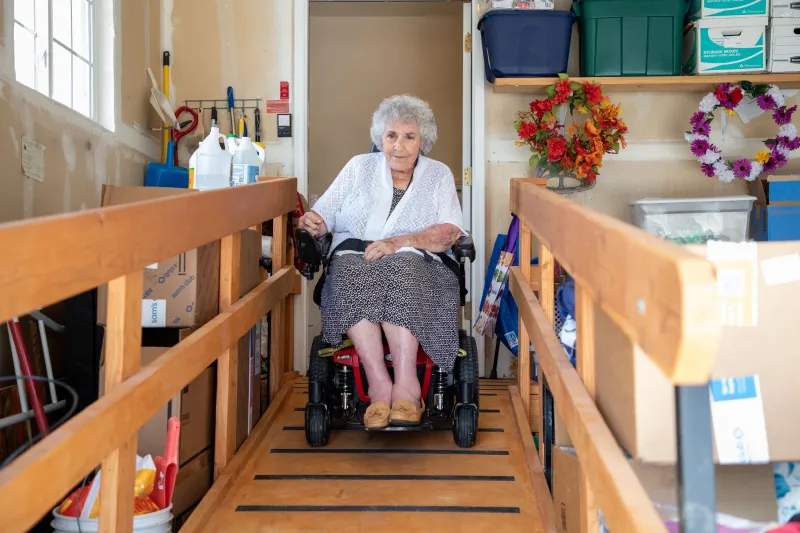
Creating a secure and comfortable sleeping environment is essential for older adults who wish to maintain their independence and well-being. As people age, the risk of falls, injuries, and nighttime disorientation increases, making it crucial to address potential hazards in the bedroom. By focusing on bedroom safety improvements for seniors, families and caregivers can help ensure peace of mind and promote a better quality of life.
Many practical modifications and assistive devices are available to reduce risks, from better lighting and accessible furniture to emergency alert systems. Whether you’re planning for yourself or assisting a loved one, understanding the most effective strategies can make a significant difference in daily living. For those seeking financial support, resources such as veterans home repair benefits for seniors may help cover the cost of essential upgrades.
Why Prioritize Bedroom Safety for Older Adults?
The bedroom is often where seniors spend a significant portion of their time, especially at night or when mobility is limited. Unfortunately, it’s also a common site for falls and accidents. Factors such as reduced vision, decreased strength, and medical conditions can increase vulnerability. Implementing bedroom safety improvements for seniors not only prevents injuries but also supports greater independence and confidence.
In addition to physical safety, a well-adapted bedroom can reduce anxiety and foster restful sleep. Simple changes can transform the space into a supportive environment tailored to individual needs.
Essential Modifications for a Safer Bedroom
There are several key areas to address when enhancing safety in the sleeping area. The following recommendations focus on common risks and solutions that have proven effective for many older adults.
Improved Lighting and Visibility
- Install nightlights along the path from the bed to the bathroom and doorways.
- Use motion-sensor lamps to automatically illuminate the room when movement is detected.
- Ensure light switches are easily accessible from the bed and entry points.
Reducing Tripping Hazards
- Remove loose rugs or secure them with non-slip backing.
- Keep walkways clear of clutter, cords, and furniture.
- Opt for low-pile carpeting or smooth flooring to minimize stumbling risks.
Bed Accessibility and Stability
- Choose a bed height that allows feet to rest flat on the floor when sitting on the edge.
- Install sturdy handrails or bed assist bars for support when getting in and out of bed.
- Consider adjustable beds for those with mobility or circulation issues.
Emergency Preparedness and Alert Systems
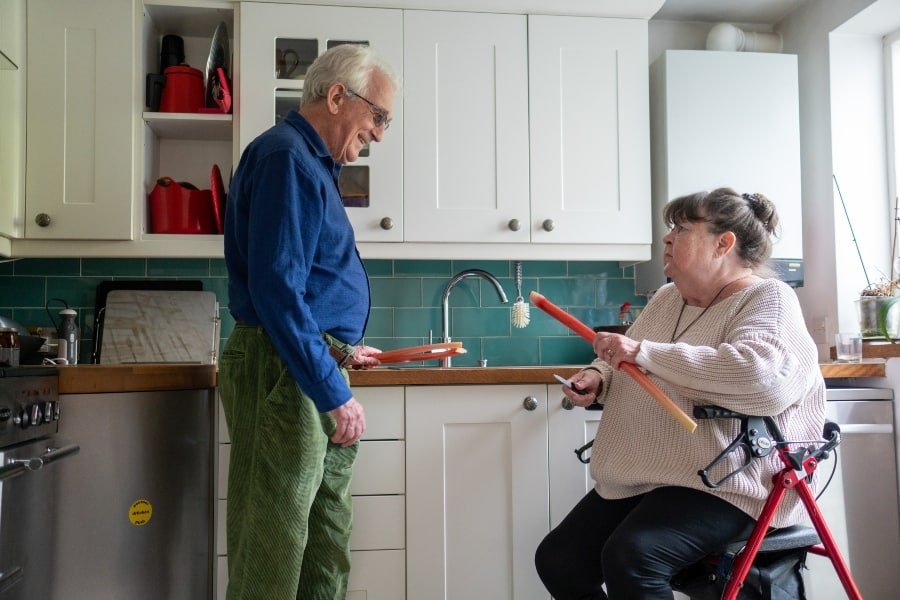
Having a reliable way to call for help is vital in case of falls or medical emergencies. Modern technology offers several solutions tailored to older adults’ needs.
- Install emergency alert buttons or wearable devices that can summon assistance at any time.
- Keep a phone within easy reach of the bed, preferably with large buttons and pre-programmed emergency contacts.
- Consider voice-activated smart speakers for hands-free communication.
For those interested in funding options, programs like the usda home repair programs for seniors may help cover costs for safety-related upgrades.
Furniture Arrangement and Accessibility
Thoughtful placement of bedroom furniture can make a significant difference in safety and ease of movement. Here are some practical tips:
- Arrange furniture to create wide, unobstructed pathways.
- Place frequently used items (glasses, medications, water) on a stable bedside table within easy reach.
- Choose chairs with armrests to assist with sitting and standing.
Additional Tips for a Senior-Friendly Bedroom
- Install lever-style door handles and easy-to-grip drawer pulls.
- Use contrasting colors for bedding and furniture to aid those with vision challenges.
- Maintain a comfortable room temperature and ensure proper ventilation.
- Consider blackout curtains or shades to promote restful sleep and reduce glare.
For seniors with complex medical or mobility needs, consulting with an occupational therapist can provide personalized recommendations. Some may also benefit from exploring medicaid home modification programs for additional support.
Financial Assistance for Bedroom Modifications
Many families worry about the cost of making necessary changes. Fortunately, there are several avenues for financial help:
- Government initiatives such as federal home repair programs may offer grants or low-interest loans for safety upgrades.
- Local nonprofits and community organizations sometimes provide free or discounted services for eligible seniors.
- Specialized programs exist for rural residents, such as rural development home repair grants for seniors.
- For urgent needs, look into urgent home repairs for low income seniors to address immediate hazards.
Frequently Asked Questions
What are the most important bedroom safety improvements for seniors?
The most effective changes include installing grab bars, improving lighting, removing tripping hazards, and ensuring the bed is at a safe height. Emergency alert systems and clear pathways also play a key role in preventing accidents.
How can I make a bedroom safer for someone with limited mobility?
Start by arranging furniture to allow for easy movement, adding handrails or bed assist bars, and using non-slip flooring. Place essential items within reach and consider adjustable beds or chairs with armrests for additional support.
Are there programs that help pay for bedroom safety modifications?
Yes, several government and nonprofit programs offer financial assistance. Options include federal home repair grants, Medicaid-funded modifications, and local community resources. Eligibility varies, so it’s important to research what’s available in your area.
Conclusion
Enhancing the safety of a senior’s bedroom is a practical step that can prevent injuries and improve overall well-being. By addressing lighting, accessibility, emergency preparedness, and furniture arrangement, families can create a supportive environment tailored to aging needs. Don’t hesitate to seek professional advice or explore funding sources to make these important changes accessible to everyone.