As people age, maintaining a safe and comfortable home becomes increasingly important. However, the cost of essential repairs and modifications can be a significant barrier for many seniors living on fixed incomes. Fortunately, a range of free home repairs for elderly programs and resources are available to help older adults stay independent and secure in their own homes. This article explores the most effective options, eligibility requirements, and how to access these valuable services.
Navigating the world of assistance programs can be overwhelming, especially when trying to find reliable help for critical home maintenance. Whether you’re a senior homeowner, a caregiver, or a family member, understanding the available support can make a big difference in quality of life and safety.
For those seeking more comprehensive information on assistance for older adults, the low income senior home improvement programs guide provides additional details on grants, loans, and nonprofit services.
Understanding Free Repair Assistance for Seniors
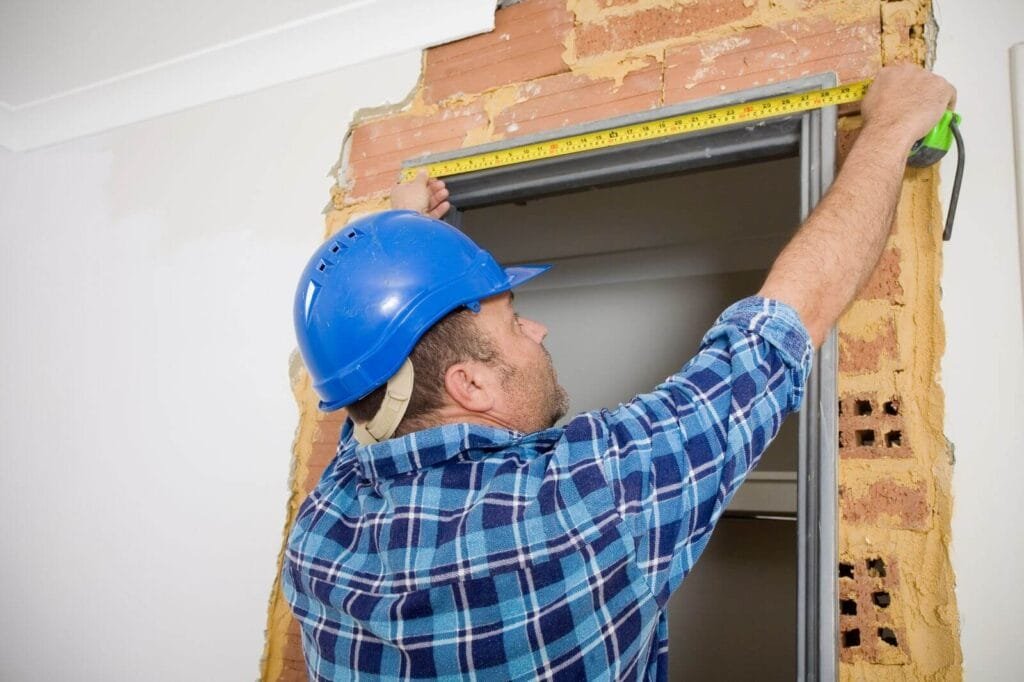
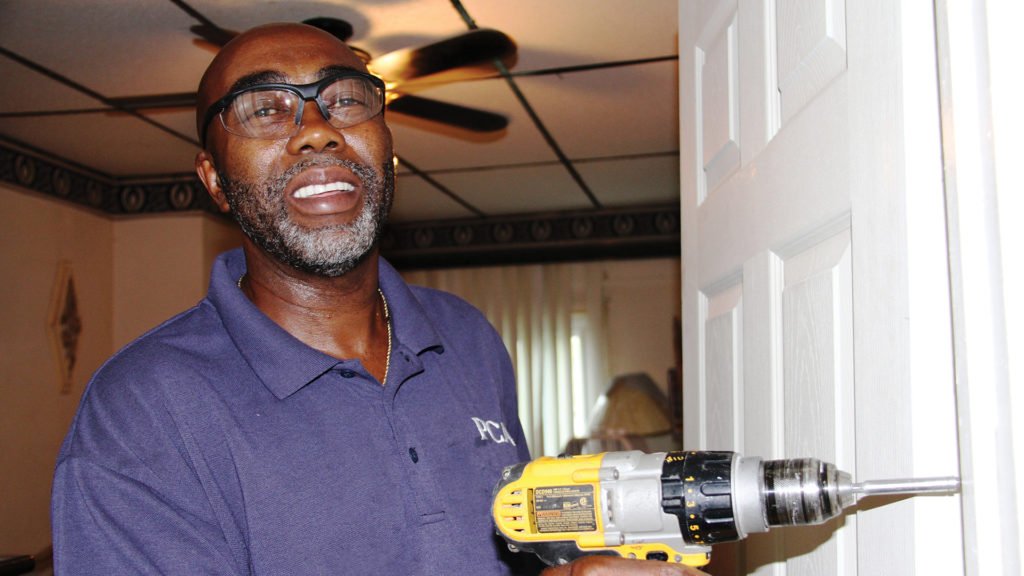
Many organizations, both governmental and nonprofit, offer free home repairs for elderly individuals who meet certain criteria. These services typically focus on safety, accessibility, and urgent maintenance needs. Common repairs include fixing leaky roofs, repairing heating systems, installing grab bars, and addressing electrical hazards.
The main goal of these programs is to help older adults remain in their homes safely and comfortably, reducing the risk of accidents and supporting independent living.
Key Programs Offering No-Cost Home Repairs
Several national and local initiatives provide direct assistance to seniors. Here are some of the most prominent options:
- HUD’s Section 504 Home Repair Program: This federal program, also known as the Single Family Housing Repair Loans & Grants, offers grants to very low-income homeowners aged 62 and older to remove health and safety hazards.
- Local Area Agencies on Aging (AAA): Many AAAs coordinate repair and modification services for older adults, often partnering with local contractors and volunteers.
- Nonprofit Organizations: Groups such as Rebuilding Together, Habitat for Humanity, and local faith-based organizations frequently provide free repairs for seniors, focusing on urgent needs and accessibility improvements.
- State and Local Government Grants: Many states and municipalities offer targeted grants or vouchers for elderly homeowners to address critical repairs.
Types of Repairs and Modifications Covered
The scope of services varies by program, but most prioritize repairs that address health, safety, and mobility. Typical projects include:
- Roof and structural repairs
- Plumbing and electrical fixes
- Heating and cooling system maintenance
- Wheelchair ramps and stair lifts
- Grab bars and handrails
- Bathroom modifications for accessibility
- Smoke and carbon monoxide detector installation
- Improved lighting for safer movement indoors and outdoors
For those interested in enhancing safety through better visibility, check out tips on lighting for safe indoor navigation and lighting for garden safety.
Eligibility Criteria for Senior Repair Programs
Each assistance program sets its own eligibility guidelines, but most require applicants to:
- Be at least 60 or 62 years old (depending on the program)
- Own and occupy the home as a primary residence
- Meet income limits, usually based on area median income
- Demonstrate a need for health, safety, or accessibility repairs
Documentation such as proof of income, age, and homeownership is often required. Some programs may prioritize those with disabilities or urgent safety needs.
How to Apply for Free Home Repairs
The application process typically involves several steps:
- Identify Local Resources: Start by contacting your local Area Agency on Aging or city housing department to learn about available programs.
- Gather Documentation: Prepare documents such as proof of age, income, and homeownership.
- Submit an Application: Complete the required forms, either online or in person.
- Home Assessment: Many programs will send an inspector to evaluate repair needs and determine eligibility.
- Approval and Scheduling: If approved, repairs are scheduled and completed by licensed contractors or volunteers.
For a more detailed overview of the process and additional resources, see this comprehensive guide to free home repair for senior citizens.
Additional Resources and Tips
In addition to direct repair programs, seniors can benefit from related services that enhance home safety and comfort. Consider the following:
- Energy Assistance: Programs like LIHEAP can help with heating and cooling costs, freeing up funds for other needs.
- Weatherization: Many states offer weatherization services to improve energy efficiency and reduce utility bills.
- Lighting Improvements: Upgrading lighting can prevent falls and accidents. Learn more about lighting for rainy conditions and lighting for water hazards to further improve safety.
- Emergency Alert Systems: Devices like SOS alert systems provide peace of mind for seniors living alone.

Frequently Asked Questions
What types of home repairs are most commonly covered for seniors?
Most programs focus on essential repairs that address health, safety, and accessibility. This includes fixing roofs, plumbing, electrical systems, heating and cooling, and installing features like grab bars, ramps, and improved lighting.
Are these repair services available to renters as well as homeowners?
The majority of free home repairs for elderly programs are designed for homeowners. However, some local nonprofits and agencies may offer limited assistance to renters, especially for accessibility modifications. It’s important to check with local organizations for specific eligibility.
How long does it take to get approved and have repairs completed?
The timeline varies by program and demand. After submitting an application and required documents, there may be a waiting period for assessment and scheduling. Urgent repairs, such as those affecting safety or health, are often prioritized and completed more quickly.
Can family members apply on behalf of an elderly relative?
Yes, in most cases, family members or caregivers can assist with the application process, provided they have the necessary documentation and consent from the homeowner.
Conclusion
Accessing free home repairs for elderly individuals can significantly improve safety, comfort, and independence. By understanding the available programs, eligibility requirements, and application steps, seniors and their families can take advantage of valuable resources designed to support aging in place. Don’t hesitate to reach out to local agencies, nonprofits, and government offices to explore all available options and ensure a safer home environment for yourself or your loved ones.