
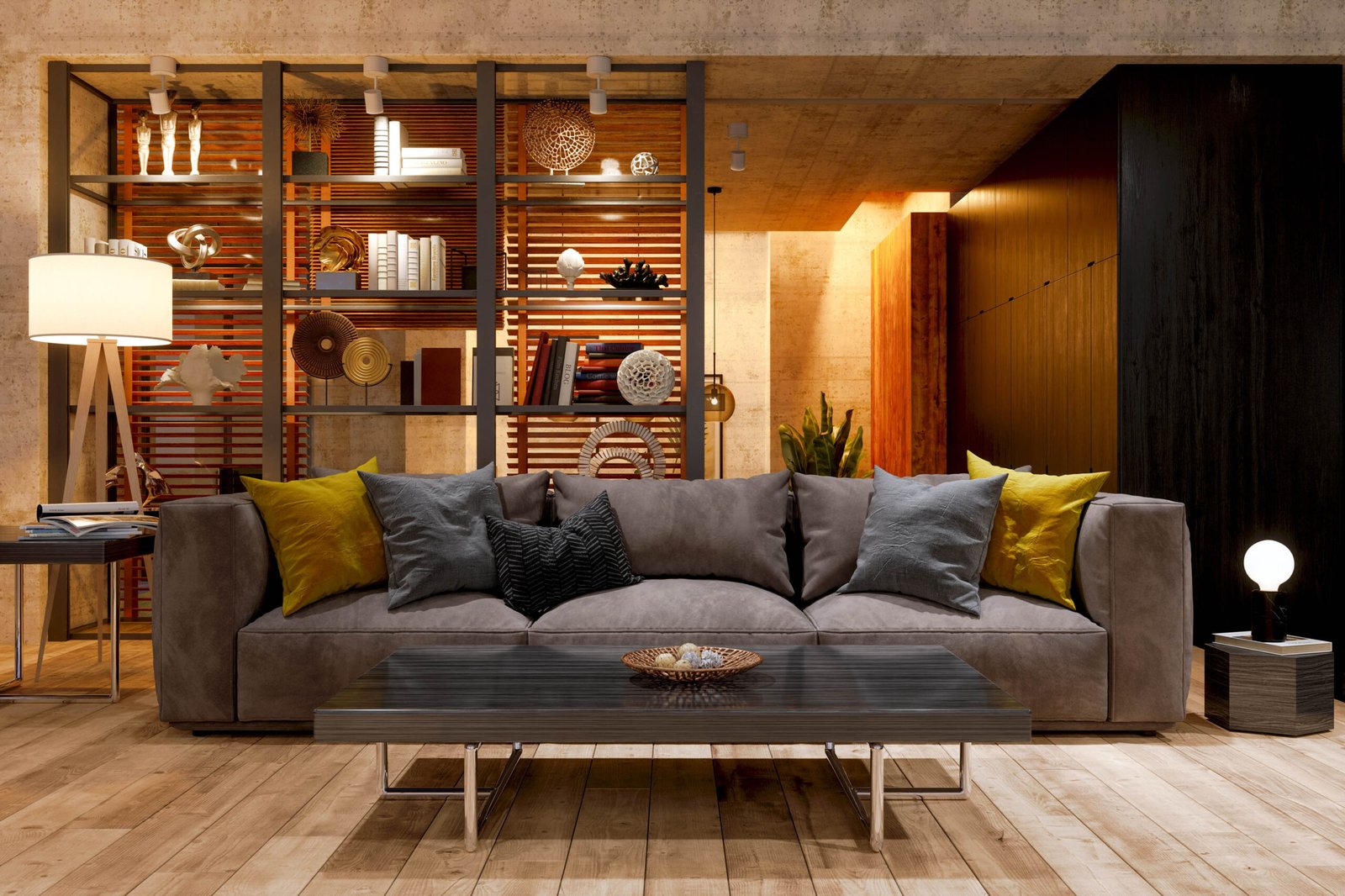
Moving around your house after dark can pose unexpected risks, especially when lighting is inadequate. Whether it’s a quick trip to the bathroom, checking on children, or heading to the kitchen for a glass of water, the right illumination is essential for preventing trips, slips, and falls. Lighting for late night safety is about more than comfort—it’s a key factor in home safety for people of all ages.
This guide explores practical strategies and modern solutions to help you create a safer environment for nighttime movement. We’ll cover the best types of fixtures, placement tips, and smart lighting technologies to ensure every step you take at night is a secure one. For those interested in extending these principles outdoors, you might also find value in our resource on lighting for walkways, which offers ideas to improve visibility and safety around your property.
Why Proper Illumination Matters for Nighttime Safety
Insufficient lighting is a leading cause of household accidents after dark. Shadows, glare, and poorly lit corners can obscure hazards, making it easy to misjudge steps or bump into furniture. Lighting for late night safety addresses these issues by providing clear, consistent visibility throughout your home.
- Reduces risk of falls: Well-lit pathways and staircases help everyone, especially seniors and children, navigate safely.
- Prevents confusion: Clear lighting minimizes disorientation, especially when waking up suddenly or moving between rooms.
- Enhances security: Illuminated entryways and exteriors deter intruders and make it easier to identify visitors.
To learn more about how different types of lighting affect your space, check out this comprehensive guide to lighting types and their effects.
Key Areas to Illuminate for Late-Night Movement
Not all spaces require the same level of brightness at night. Focus on these high-traffic and high-risk zones to maximize safety:
- Hallways and corridors: These are common routes between bedrooms, bathrooms, and living areas. Install low-level lights or nightlights to provide gentle guidance.
- Staircases: Steps are a major tripping hazard. Use recessed step lights or wall-mounted fixtures to highlight each tread.
- Bathrooms: Soft, motion-activated lighting prevents harsh glare while ensuring safe navigation.
- Entryways and porches: Outdoor lighting helps you see keys, locks, and steps clearly when arriving home late.
- Kitchens: Under-cabinet lights or dimmable ceiling fixtures make midnight snacks safer and more convenient.
For outdoor movement, our article on lighting for pathways provides additional tips on keeping walkways safe after dark.
Choosing the Right Fixtures for Nighttime Safety
Modern lighting options offer a range of solutions for enhancing late-night safety. Consider these fixture types for different areas of your home:
- LED recessed lights: These provide even, glare-free illumination and can be installed in ceilings, walls, or stairs. Their energy efficiency makes them ideal for lights that may stay on overnight.
- Motion sensor night lights: Automatically turn on when movement is detected, offering hands-free convenience and saving energy.
- Wall sconces: Mounted at eye level, sconces can softly illuminate hallways and bedrooms without disturbing sleep.
- Under-cabinet strips: Perfect for kitchens and bathrooms, these lights offer targeted brightness where you need it most.
- Smart bulbs: Adjustable color temperature and brightness allow you to tailor lighting to your preferences and routines.
Smart Controls and Automation for Nighttime Illumination
Integrating smart technology into your lighting plan can make late-night movement even safer and more convenient. Here are some ways to automate your lights for optimal safety:
- Motion sensors: Trigger lights only when movement is detected, ensuring you never walk into a dark room.
- Timers: Set lights to turn on and off at specific times, such as dusk or bedtime.
- Voice control: Use smart speakers or assistants to turn lights on or off without fumbling for switches.
- Remote access: Control your home’s lighting from your smartphone, even when you’re away.
Automated lighting is especially helpful for those with limited mobility or vision, as it minimizes the need to locate switches or navigate in the dark.
Tips for Effective and Comfortable Nighttime Lighting
When planning lighting for late night safety, it’s important to balance visibility with comfort. Excessively bright lights can disrupt sleep or cause glare, while dim lighting may not provide enough guidance. Here are some practical tips:
- Use warm color temperatures: Choose bulbs with a color temperature of 2700K–3000K for a soft, inviting glow that won’t interfere with your sleep cycle.
- Install dimmers: Adjust brightness levels to suit different needs and times of night.
- Layer your lighting: Combine ambient, task, and accent lighting for flexibility and coverage.
- Minimize shadows: Place fixtures to reduce dark spots and ensure even illumination.
- Test at night: Walk through your home after dark to identify areas that need improvement.
For those who work from home or use their space for hobbies, our guide on lighting for home offices offers additional insights into creating a safe and productive environment.

Outdoor Lighting for Safe Nighttime Access
Safety doesn’t end at your doorstep. Proper outdoor lighting ensures you and your guests can move securely between your home, driveway, and yard after dark. Consider these strategies for exterior areas:
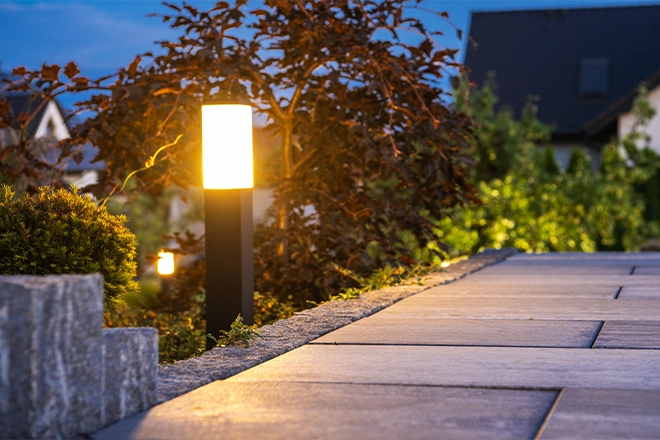
- Pathway and step lights: Mark walkways and stairs with low-level fixtures to prevent missteps.
- Porch and entry lights: Use bright, motion-activated lights to illuminate doors and thresholds.
- Landscape lighting: Highlight obstacles, changes in elevation, or garden features that could pose a hazard at night.
For more detailed advice on exterior illumination, see our dedicated post on lighting for outdoor stairs to enhance safety at night.
Frequently Asked Questions
What is the best type of night light for hallways and bedrooms?
Motion sensor night lights are highly recommended for hallways and bedrooms. They provide illumination only when needed, reducing energy use and preventing sleep disruption. Look for models with adjustable brightness and warm color temperatures for comfort.
How can I make my stairs safer at night?
Install recessed step lights or wall-mounted fixtures along the staircase. Ensure that each step is clearly visible and free from shadows. Dimmable LED lights are a good choice, as they offer both safety and energy efficiency.
Are smart lighting systems worth the investment for nighttime safety?
Smart lighting systems offer convenience and enhanced safety by allowing you to automate, schedule, and control lights remotely. Features like motion sensors, timers, and voice control can significantly reduce the risk of accidents and make nighttime movement more comfortable for everyone in the household.
Conclusion
Prioritizing lighting for late night safety is a simple yet effective way to protect yourself and your loved ones from household accidents. By selecting the right fixtures, using smart controls, and focusing on key areas, you can create a home environment that feels secure and welcoming at any hour. For more inspiration on safe and stylish lighting solutions, explore our resources on lighting for workshops and related topics throughout the site.