
Navigating outdoor spaces after sunset presents unique challenges. Whether you’re walking along a garden path, approaching your front door, or heading down exterior stairs, proper illumination is essential for both safety and comfort. Lighting for safe outdoor navigation helps prevent trips and falls, deters unwanted visitors, and creates a welcoming environment around your home or property.
This guide will walk you through the most effective lighting strategies, fixture types, and placement techniques to ensure safe movement outdoors at night. You’ll also find practical tips for selecting the right products and maintaining your lighting system for long-term reliability.
If you’re interested in more targeted advice, such as how to improve visibility and safety on walkways, check out lighting for walkways for additional inspiration and practical solutions.
Why Outdoor Lighting Matters for Nighttime Safety
The absence of adequate illumination outdoors can lead to accidents and security risks. Uneven ground, steps, and landscaping features become hazards when they’re not visible in the dark. Well-placed lighting not only highlights these potential obstacles but also helps guide people along intended paths, reducing the likelihood of injury.
In addition to physical safety, exterior lighting can deter trespassers and provide peace of mind. A well-lit property is less attractive to intruders, and motion-activated lights can alert you to unexpected movement. For families, guests, and delivery personnel, a clearly lit entrance or pathway makes a significant difference in comfort and accessibility.
Key Principles of Lighting for Safe Outdoor Navigation
To create an effective lighting plan, consider these core principles:
- Uniformity: Avoid dark spots and overly bright areas by distributing light evenly along walkways, stairs, and entrances.
- Glare Reduction: Choose fixtures with shields or frosted lenses to prevent harsh glare that can obscure vision.
- Layered Lighting: Combine ambient, task, and accent lighting to address different needs and highlight key features.
- Energy Efficiency: Opt for LED fixtures, which provide bright illumination with low energy consumption and long lifespans.
- Weather Resistance: Select products rated for outdoor use to ensure durability in all seasons.
Types of Fixtures for Navigating Outdoor Spaces Safely
There are several fixture types designed to enhance visibility and safety around your property. Understanding their strengths will help you build a comprehensive lighting scheme.
Pathway and Walkway Lights
These low-profile fixtures are installed along the edges of paths, driveways, or garden walkways. They provide gentle, focused light that guides movement and highlights changes in elevation. For more ideas on this topic, see lighting for pathways for safe outdoor movement.
Step and Stair Lighting
Illuminating steps is crucial for preventing missteps and falls. Step lights can be recessed into risers or mounted on adjacent walls. For detailed strategies, visit lighting for outdoor stairs to enhance safety at night.
Wall-Mounted and Recessed Fixtures
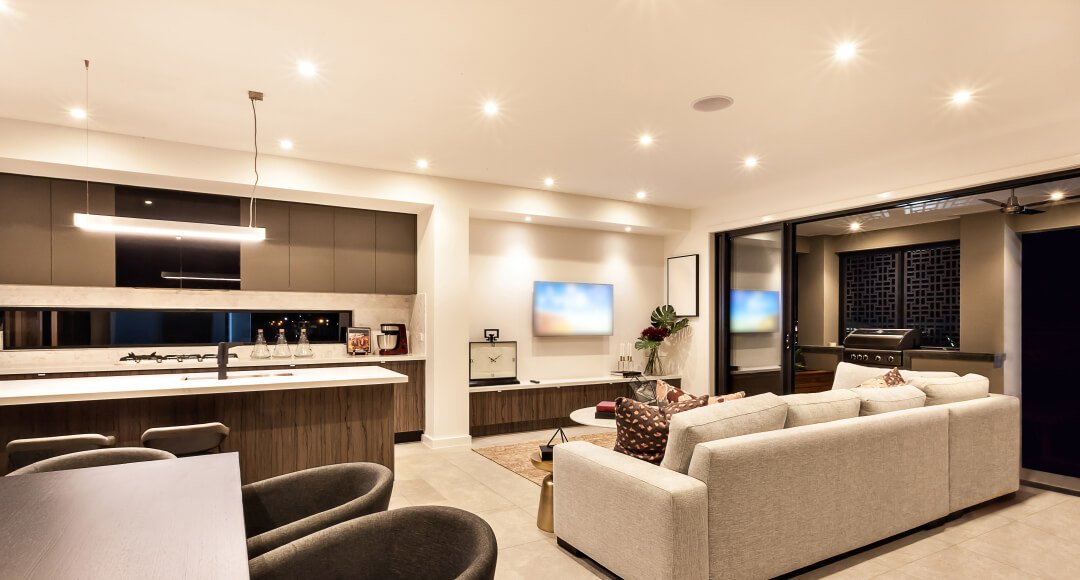
Wall lights and recessed fixtures are ideal for entrances, patios, and decks. They provide broad coverage and can be positioned to minimize shadows. LED recessed lights are especially popular for their sleek appearance and energy efficiency.

Motion Sensor and Smart Lighting
Motion-activated lights automatically turn on when movement is detected, providing instant illumination where and when it’s needed. These are especially useful for driveways, entrances, and side yards. Smart lighting systems can be programmed to adjust brightness or schedules based on your routine.
Pendant and Overhead Lighting
Overhead fixtures, such as pendants or ceiling-mounted lights, are suitable for covered porches and patios. They provide general illumination for gathering areas and can be paired with other fixture types for a layered effect.
Best Practices for Installing Outdoor Lighting
Proper installation is as important as fixture selection. Here are some best practices to ensure your lighting system delivers maximum safety and performance:
- Plan Ahead: Walk your property at night to identify dark areas and potential hazards. Map out where lights are needed most.
- Fixture Placement: Position lights to illuminate paths, steps, and entrances without creating glare or deep shadows.
- Height and Spacing: Install fixtures at appropriate heights and intervals to achieve even coverage. For walkways, space lights 6–8 feet apart.
- Wiring and Power: Use outdoor-rated wiring and connectors. Solar-powered options are available for areas without easy access to electricity.
- Maintenance: Clean lenses regularly and check for burnt-out bulbs or damaged fixtures, especially after storms or seasonal changes.
Choosing the Right Bulbs and Controls
The type of bulb you choose affects brightness, color temperature, and efficiency. LEDs are the top choice for most outdoor applications due to their longevity and low energy use. Look for bulbs with a color temperature between 2700K and 4000K for a balance of visibility and comfort.
Consider adding timers, dimmers, or smart controls to automate your lighting. These features help save energy and ensure lights are on only when needed.
Additional Resources and Inspiration
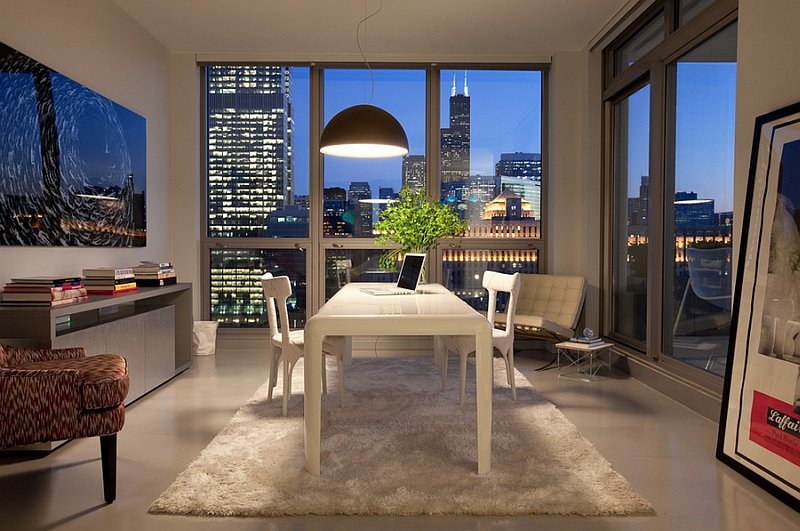
For more ideas on creating a safe and productive environment, explore lighting for home offices or discover lighting for workshops for DIY projects. If you want to learn about different types of lighting and their uses, this guide to indoor lighting types offers helpful background information that can inform your outdoor choices as well.
Frequently Asked Questions
What are the most important areas to illuminate for outdoor safety?
Focus on lighting all walkways, stairs, entrances, and any changes in elevation. These are the areas where accidents are most likely to occur. Driveways and side paths should also be considered, especially if they are used frequently at night.
How can I prevent glare and light pollution with outdoor lighting?
Choose fixtures with shields or frosted covers to direct light downward and reduce glare. Position lights so they illuminate only the intended area, and use lower lumen outputs where possible. Motion sensors and timers can help minimize unnecessary lighting.
Are solar-powered lights effective for safe navigation?
Solar-powered fixtures can be a good option for illuminating paths and garden features, especially in areas with plenty of sunlight. However, for critical safety zones like stairs or entrances, hardwired or high-quality battery-powered LED lights may offer more consistent performance.