
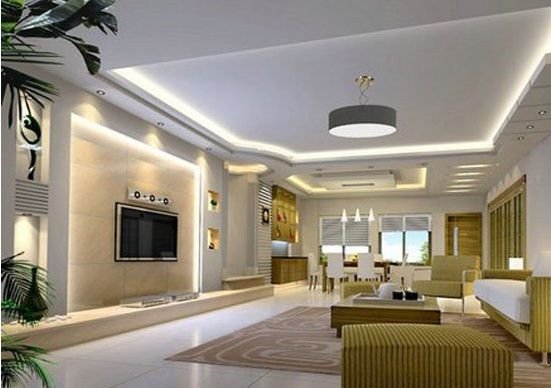
Well-designed lighting for walkways is essential for both safety and aesthetics in any home or commercial space. Proper illumination helps prevent trips and falls, guides guests along paths, and enhances the overall atmosphere. Whether you’re updating a front entry, backyard path, or indoor corridor, choosing the right fixtures and placement can make a significant difference. This article explores practical solutions, fixture types, and layout strategies to help you create well-lit, inviting walkways that prioritize visibility and safety.
If you’re interested in optimizing other areas of your home, you may also want to explore lighting for attics to improve visibility in storage spaces.
Understanding the Importance of Pathway Illumination
Adequate lighting for walkways is about more than just aesthetics; it’s a key factor in ensuring safe passage, especially at night or in dimly lit areas. Insufficient lighting can obscure obstacles, steps, or changes in elevation, increasing the risk of accidents. By thoughtfully illuminating these areas, you not only reduce hazards but also create a welcoming environment for family, guests, or customers.
In addition to safety, well-placed lights can highlight landscaping, architectural features, and guide people intuitively along the intended path. This is especially important for homes with winding garden trails, multi-level entries, or commercial spaces with high foot traffic.
Types of Fixtures for Walkway Lighting
Selecting the right fixtures is crucial for achieving both functional and decorative goals. Here are some common options for illuminating paths and corridors:
- Path Lights: These low-profile fixtures are installed along the edges of walkways, casting a gentle glow downward to define the path without causing glare.
- Recessed Step Lights: Mounted directly into steps or walls, these lights improve visibility on stairs and transitions, reducing the risk of missteps.
- Bollard Lights: Short, sturdy posts with integrated lighting, ideal for marking boundaries and providing uniform illumination along longer paths.
- Motion Sensor Lights: These fixtures activate only when movement is detected, offering energy savings and added security.
- Wall Sconces: Perfect for indoor corridors or exterior walls adjacent to walkways, sconces provide both ambient and task lighting.
- String or Rope Lights: Flexible and easy to install, these are great for outlining curves or adding a decorative touch to garden paths.
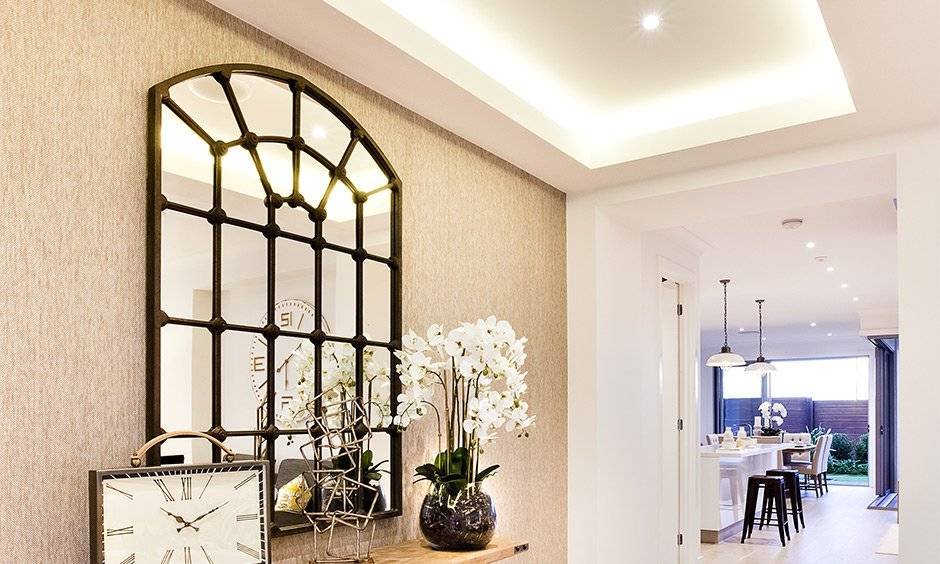
Planning Your Walkway Lighting Layout
Thoughtful placement of lights is just as important as the fixtures themselves. Here are some practical tips for designing an effective layout:
- Space Lights Evenly: Position fixtures at regular intervals to avoid dark spots and ensure consistent illumination.
- Highlight Hazards: Place lights near steps, slopes, or uneven surfaces to make these areas more visible.
- Consider Glare: Choose fixtures with shields or downward-facing designs to prevent harsh light in the eyes of those walking by.
- Layer Lighting: Combine different types of fixtures, such as path lights and wall sconces, for a balanced look and improved coverage.
- Use Motion Sensors: In areas that don’t require constant lighting, motion-activated fixtures can provide light only when needed, saving energy.
For more inspiration on how to layer and combine different types of fixtures, you can check out this guide to types of indoor lighting.
Choosing the Right Bulbs and Controls
The choice of bulbs and lighting controls can impact both the effectiveness and efficiency of your walkway illumination:
- LED Bulbs: These are energy-efficient, long-lasting, and available in a range of color temperatures to suit your preferences.
- Warm vs. Cool Light: Warm white (2700K–3000K) creates a cozy, inviting feel, while cool white (4000K–5000K) offers brighter, more clinical illumination for high-traffic or security-focused areas.
- Dimmers and Timers: Adding dimmers or programmable timers allows you to adjust brightness and automate lighting schedules for convenience and energy savings.
- Smart Controls: Integrate your walkway lights with smart home systems for remote control, scheduling, and automation.
Indoor Walkway Lighting: Hallways and Transitional Spaces
While much attention is given to outdoor paths, indoor corridors and hallways also benefit from strategic illumination. Proper lighting for walkways inside the home ensures safe navigation, especially at night or in multi-generational households.
- Recessed Lights: Flush-mounted fixtures provide even, unobtrusive illumination along long hallways.
- Wall Sconces: These add both style and functional light, especially when spaced evenly along the wall.
- Night Lights: Plug-in or motion-activated night lights can offer subtle guidance without disturbing sleep.
If you’re interested in improving safety and comfort in other rooms, consider reading about lighting for bedrooms or lighting for living rooms for more targeted advice.
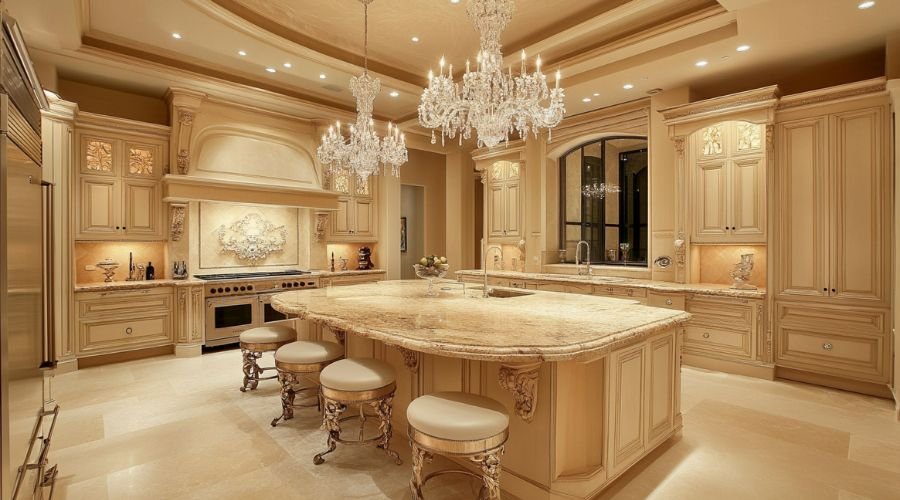
Outdoor Pathway Lighting: Enhancing Safety and Curb Appeal
Outdoor walkways require durable, weather-resistant fixtures and thoughtful placement to maximize both safety and visual appeal. Here are some key considerations:
- Weatherproof Fixtures: Choose lights rated for outdoor use to withstand rain, snow, and temperature fluctuations.
- Solar Options: Solar-powered path lights are easy to install and operate without wiring, making them a convenient choice for gardens and driveways.
- Accent Lighting: Use spotlights or uplights to highlight landscaping, trees, or architectural features near the walkway.
- Low-Voltage Systems: These are safer for outdoor use and can be expanded as your lighting needs grow.
For additional ideas on illuminating other challenging areas, you might also find value in the basement lighting guide or garage lighting tips.
Maintenance Tips for Long-Lasting Walkway Lights
Keeping your lighting for walkways in top condition ensures ongoing safety and performance. Here are some simple maintenance practices:
- Regular Cleaning: Wipe down fixtures to remove dirt, debris, and cobwebs that can block light output.
- Check for Damage: Inspect wiring, bulbs, and housings for signs of wear or water intrusion, especially after storms.
- Replace Bulbs Promptly: Swap out dim or burnt-out bulbs to maintain consistent illumination.
- Trim Vegetation: Keep plants and shrubs from growing over or blocking fixtures.
Frequently Asked Questions
What is the best type of lighting for walkways?
The ideal choice depends on your specific needs and environment. Path lights and recessed step lights are popular for outdoor paths, while wall sconces and recessed ceiling fixtures work well indoors. For energy efficiency and longevity, LED bulbs are highly recommended.
How far apart should walkway lights be placed?
For most residential paths, spacing lights 6 to 8 feet apart provides even coverage without excessive overlap or dark spots. Adjust spacing based on fixture brightness and path width.
Are motion sensor lights effective for walkways?
Yes, motion sensor lights are a practical option for areas where constant illumination isn’t necessary. They enhance security, save energy, and ensure lights are on only when someone is present.