
Keeping your home safe starts with smart choices about your property’s exterior. One of the most effective and accessible ways to improve safety is by installing lighting for outdoor security. Well-placed lights can deter intruders, reduce accidents, and give you peace of mind after dark. Whether you’re looking to upgrade your current setup or planning a new installation, understanding the best practices and options for exterior illumination is essential.
This article explores practical strategies, fixture types, and placement tips to help you create a safer environment around your house. We’ll also highlight how to balance aesthetics with function, so your lighting not only protects but also enhances your home’s curb appeal. For more ideas on enhancing safety and visibility in other parts of your home, consider exploring lighting for attics to ensure every area is well-lit and secure.
Why Exterior Lighting Matters for Home Safety
Properly designed lighting for outdoor security serves multiple purposes. It discourages trespassers, improves visibility for residents and guests, and highlights potential hazards like steps or uneven pathways. Criminals are less likely to approach well-lit homes, as increased visibility raises the risk of detection. Additionally, outdoor lights can help prevent trips and falls, especially in areas with landscaping or changes in elevation.
Beyond security, exterior illumination can also add to your home’s value and visual appeal. The right fixtures and placement can accentuate architectural features, gardens, and walkways, making your property more inviting.
Types of Fixtures for Outdoor Security
Selecting the right fixtures is key to maximizing both safety and style. Here are some common options for enhancing your property’s exterior:
- Floodlights: These provide broad, powerful illumination and are ideal for driveways, backyards, and large open spaces. Many models include motion sensors for added efficiency.
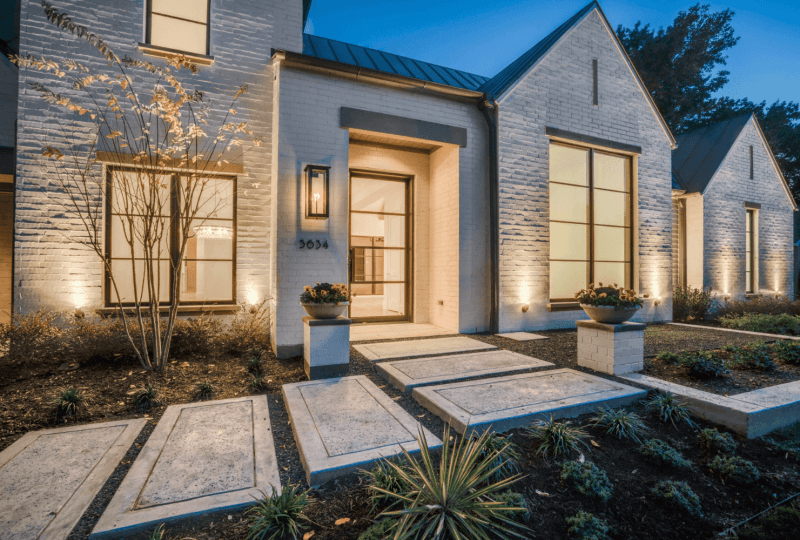
- Wall-mounted lights: Placed near entrances, garages, or patios, these fixtures offer focused lighting and can be both decorative and functional.
- Pathway lights: Low-level lights along walkways and garden paths improve navigation and reduce the risk of accidents.
- Spotlights: These can highlight specific features or provide targeted security coverage for vulnerable areas.
- Recessed lighting: Installed in soffits or steps, these fixtures offer subtle, glare-free illumination.
- Smart and solar lights: Modern options include solar-powered and Wi-Fi-enabled fixtures for energy savings and remote control.
Strategic Placement for Maximum Effectiveness
The effectiveness of outdoor security lighting depends not only on the type of fixtures but also on where you install them. Here are some guidelines for optimal placement:
- Entry points: Illuminate all doors, including front, back, and side entrances. Wall-mounted or overhead fixtures work well here.
- Garages and driveways: Use floodlights or motion-activated lights to cover these high-traffic areas.
- Pathways and steps: Install pathway lights or recessed fixtures along walkways and stairs to prevent accidents.
- Dark corners and blind spots: Identify areas that are hidden from view and add spotlights or motion sensors to deter intruders.
- Perimeter and fences: Consider low-level lighting along property lines to define boundaries and increase visibility.
For more inspiration on how to light specific areas of your home, you might find these guides helpful: lighting for bedrooms, lighting for living rooms, and lighting for basements.
Choosing the Right Bulbs and Controls
The type of bulb and control system you choose can impact both safety and energy efficiency. Here are some considerations:
- LED bulbs: These are energy-efficient, long-lasting, and available in various brightness levels and color temperatures.
- Motion sensors: Lights with built-in sensors only activate when movement is detected, saving energy and alerting you to activity.
- Dusk-to-dawn sensors: These automatically turn lights on at sunset and off at sunrise, ensuring consistent coverage.
- Smart controls: Wi-Fi-enabled systems allow you to adjust settings remotely and integrate with home automation platforms.
- Solar-powered options: For areas without easy access to wiring, solar fixtures offer a convenient, eco-friendly solution.
Balancing Security and Curb Appeal
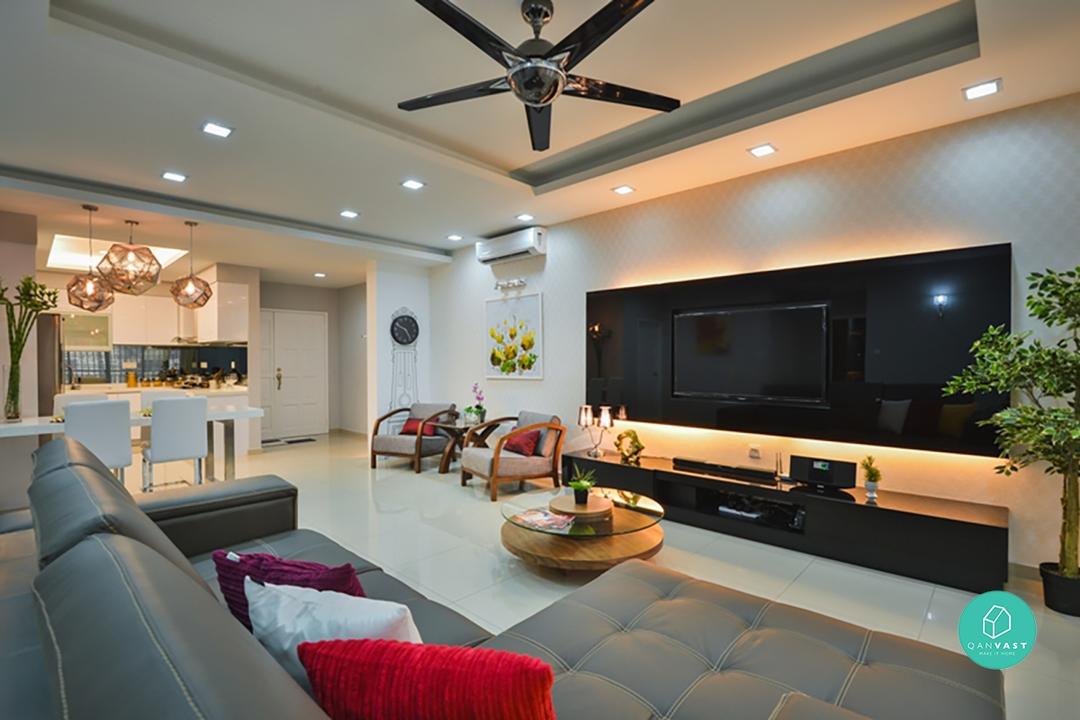
While the main goal of lighting for outdoor security is protection, it’s also important to consider how your choices affect the look of your property. Modern fixtures come in a range of styles and finishes, allowing you to complement your home’s architecture. Layering different types of lights—such as combining floodlights with decorative sconces—can create a welcoming atmosphere without sacrificing safety.
Avoid over-lighting, which can cause glare and light pollution. Instead, focus on targeted illumination and use shields or covers to direct beams where needed. This approach not only saves energy but also helps maintain a comfortable environment for you and your neighbors.
Maintenance Tips for Long-Term Performance
To ensure your exterior lights remain effective, regular maintenance is essential. Here are a few simple steps:
- Clean fixtures and lenses periodically to remove dirt and debris that can reduce brightness.
- Check bulbs and replace any that are dimming or burnt out.
- Test motion sensors and timers to confirm they’re working as intended.
- Inspect wiring and connections for signs of wear or damage, especially after storms.
- Trim back plants or branches that may block light or trigger sensors unnecessarily.
For more detailed information on different types of lighting and how to use them effectively, you can visit this comprehensive guide to lighting types and applications.
Frequently Asked Questions
What are the best types of lighting for outdoor security?
The most effective options include motion-activated floodlights, wall-mounted fixtures near entry points, and pathway lights for walkways. Combining different types ensures comprehensive coverage and reduces dark spots.
How can I make my exterior lights more energy efficient?
Choose LED bulbs, use motion sensors or dusk-to-dawn controls, and consider solar-powered fixtures. These options reduce energy consumption while maintaining safety.
Where should I install security lights for maximum protection?
Focus on illuminating all entrances, driveways, pathways, and any hidden areas around your property. Proper placement deters intruders and helps prevent accidents.