

Ensuring your property is well-lit after dark is one of the most effective ways to reduce risks around your home. From preventing trips and falls to deterring unwanted visitors, lighting for outdoor hazards plays a crucial role in home safety. Whether you’re concerned about poorly lit walkways, steps, or the security of your backyard, the right illumination can make all the difference. This guide covers practical strategies, fixture options, and expert tips to help you create a safer outdoor environment for your family and guests.
If you’re also interested in improving visibility in other areas of your home, such as storage spaces or living areas, you might find inspiration in our resources on lighting for attics and lighting for living rooms.
Why Proper Lighting for Outdoor Hazards Matters
Many accidents around the home occur simply because hazards are hidden in the dark. Steps, uneven paths, and garden features can become dangerous obstacles at night. Well-placed lighting for outdoor hazards not only helps prevent injuries but also increases your sense of security. Bright, reliable lights make it easier to navigate your property, welcome guests, and discourage trespassers.
Outdoor lighting also enhances curb appeal and can highlight landscaping or architectural details. However, the primary goal should always be to eliminate shadowy areas where hazards might lurk.
Identifying Risk Areas Around Your Home
Before choosing fixtures or planning a layout, take a walk around your property at night. Pay attention to areas where visibility drops or shadows form. Common zones that benefit from improved illumination include:
- Front and back entrances
- Driveways and parking areas
- Walkways and garden paths
- Steps, stairs, and ramps
- Decks, patios, and porches
- Garages and sheds
- Side yards and fence lines
For enclosed or partially covered spaces, consider reviewing our lighting for garages guide for additional safety tips.
Types of Fixtures for Safer Outdoor Spaces
There are many fixture types designed to address different safety needs. Here are some of the most effective options for lighting for outdoor hazards:
- Pathway Lights: These low-level fixtures line walkways and driveways, guiding footsteps and marking edges.
- Step and Stair Lights: Installed directly into risers or adjacent walls, these lights make elevation changes visible.
- Floodlights: High-output fixtures that cover wide areas, ideal for driveways, backyards, or side yards.
- Motion Sensor Lights: Automatically activate when movement is detected, providing both safety and energy savings.
- Wall-Mounted Sconces: Perfect for entrances and patios, these add both style and functional illumination.
- Recessed Lighting: Discreet fixtures for soffits, overhangs, or steps, offering a modern look and focused light.

Choosing the Right Bulbs and Controls
The type of bulb and control system you choose impacts both safety and convenience. For most outdoor applications, LED bulbs are recommended due to their brightness, longevity, and energy efficiency. Select bulbs with a color temperature between 3000K and 5000K for clear, natural-looking light. Consider fixtures with dusk-to-dawn sensors or timers to ensure lights are always on when needed.
Motion-activated lights are particularly useful for areas that don’t require constant illumination, such as side yards or driveways. They help save energy while still providing instant visibility when someone approaches.
Design Tips for Effective Outdoor Hazard Lighting
Achieving optimal safety isn’t just about adding more lights—it’s about strategic placement and layering. Here are some practical tips:
- Layer your lighting: Combine ambient, task, and accent lights to eliminate shadows and highlight potential hazards.
- Avoid glare: Use shielded fixtures or frosted lenses to prevent harsh light that can obscure vision.
- Direct light downward: Focus beams on paths, steps, and entryways to maximize visibility where it matters most.
- Maintain fixtures: Regularly clean lenses and trim plants that may block light or create new hazards.
- Test at night: After installation, walk your property after dark to ensure all hazards are illuminated and adjust as needed.
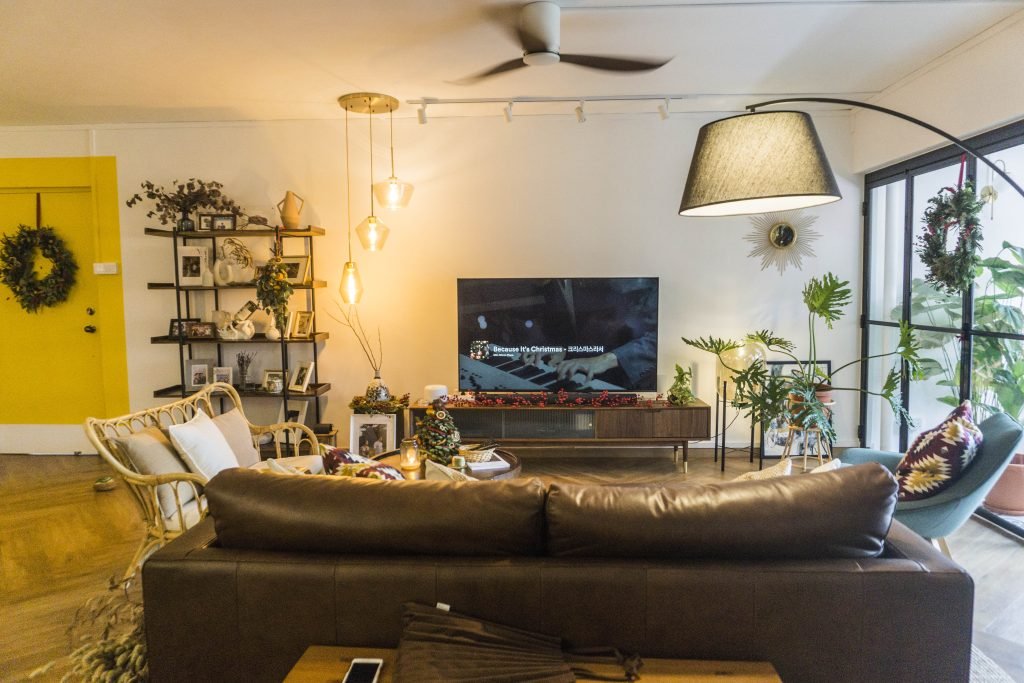
Integrating Lighting for Outdoor Hazards With Home Design
Safety doesn’t have to come at the expense of style. Modern outdoor fixtures are available in a variety of finishes and designs to complement your home’s architecture. Consider matching fixture styles across different zones for a cohesive look. Recessed and low-profile options blend seamlessly into eaves, decks, and steps, while decorative sconces can add character to entryways.
For more inspiration on how to blend safety and aesthetics, you can explore different types of home lighting and how they enhance both function and appearance.
Maintenance and Upkeep for Reliable Safety
Even the best lighting plan requires regular attention. Dirt, debris, and weather can reduce the effectiveness of your fixtures over time. Make it a habit to:
- Check bulbs and replace any that are dim or burnt out
- Clean lenses and housings to maintain brightness
- Inspect wiring and connections for signs of wear or damage
- Trim back shrubs or branches that block light paths
- Test motion sensors and timers periodically
Ongoing maintenance ensures your lighting for outdoor hazards continues to protect your home year-round.
Additional Resources for Home Lighting Safety
If you’re looking to improve safety in other parts of your home, consider reading our guides on lighting for bedrooms and lighting for basements. Each area presents unique challenges, and tailored solutions can help ensure every corner of your home is safe and accessible.
Frequently Asked Questions
What Are the Best Types of Lights for Outdoor Safety?
The most effective options include pathway lights, motion-activated floodlights, and step lights. These fixtures provide targeted illumination for walkways, stairs, and entry points, helping to reduce the risk of accidents and deter intruders.
How Bright Should Outdoor Hazard Lights Be?
For most outdoor applications, lights should provide at least 100–200 lumens for pathways and up to 700–1300 lumens for floodlights. The right brightness depends on the area’s size and the level of ambient light. Choose bulbs labeled for outdoor use and consider color temperature for optimal visibility.
Do I Need a Professional to Install Outdoor Lighting?
Many solar-powered or plug-in fixtures are easy to install yourself. However, for hardwired systems or complex layouts, hiring a licensed electrician ensures safety and code compliance. Always follow manufacturer instructions and local regulations.