

As people age, changes in vision, balance, and mobility can make everyday tasks more challenging. One of the most effective ways to support independence and reduce the risk of accidents is by improving the lighting environment at home. Lighting for elderly safety is not just about making spaces brighter—it’s about creating an environment that enhances visibility, minimizes shadows, and makes navigation easier for older adults.
In this article, you’ll find practical strategies for optimizing illumination in every area of the home. We’ll cover the types of lighting that best support seniors, room-by-room recommendations, and simple upgrades that can make a significant difference in comfort and safety. For more detailed advice on how to use light to reduce hazards, see how to prevent accidents with lighting.
Why Proper Illumination Matters for Older Adults
As we age, our eyes require more light to see clearly. Reduced contrast sensitivity, slower adaptation to changes in brightness, and increased sensitivity to glare are common. Poorly lit spaces can lead to missteps, difficulty reading labels or instructions, and an increased risk of falls. By focusing on lighting for elderly safety, families can help seniors maintain confidence and move around their homes with greater ease.
According to experts, well-designed lighting can reduce the likelihood of accidents and support healthy routines. For a deeper dive into how lighting design impacts safety, explore lighting design for safety.
Types of Lighting That Enhance Safety
Understanding the different types of lighting and their roles is essential for creating a safer home. Generally, lighting falls into three categories:
- Ambient lighting: Provides overall illumination for a room, ensuring that there are no dark corners or areas where obstacles might be missed.
- Task lighting: Focuses light on specific activities such as reading, cooking, or grooming, reducing eye strain and increasing accuracy.
- Accent lighting: Highlights architectural features or decor, but can also be used to draw attention to hazards or important areas like stairways.
For a comprehensive overview of these lighting types and how to use them effectively, visit this guide to basic types of lighting.
Room-by-Room Lighting Recommendations
Each area of the home presents unique challenges and opportunities for improving visibility. Here are practical tips for optimizing lighting in key spaces:
Living Room and Common Areas
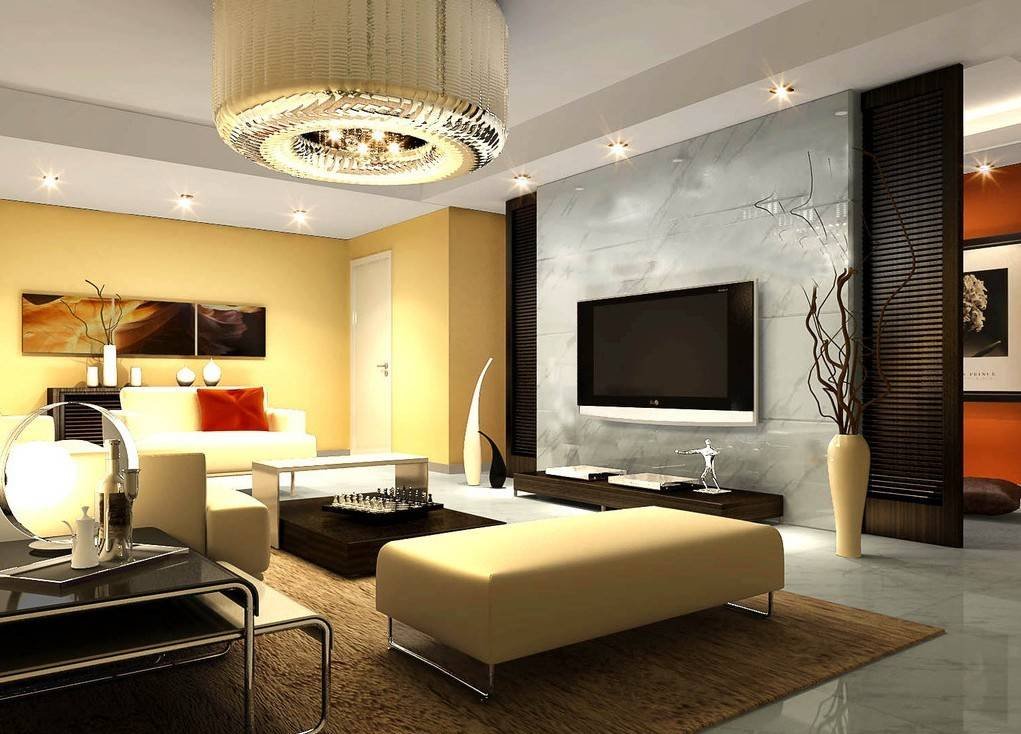
The living room is often a hub of activity. Use a combination of ceiling fixtures, floor lamps, and table lamps to provide layered illumination. Choose bulbs with a color temperature between 2700K and 3000K for a warm, inviting glow that reduces glare. Dimmable LED fixtures allow for easy adjustment based on the time of day and activity.
Consider adding motion sensor night lights along pathways and near seating areas to help seniors move safely, especially at night. For more inspiration, check out lighting ideas for dark areas.
Kitchen and Dining Spaces
Good lighting in the kitchen is crucial for safe food preparation. Install under-cabinet lights to illuminate countertops and reduce shadows. Bright, evenly distributed ceiling lights help prevent accidents when handling sharp objects or hot surfaces. In dining areas, pendant lights or chandeliers should be positioned to minimize glare and provide clear visibility of the table.
Hallways and Staircases
Hallways and stairs are common sites for falls. Install bright, continuous lighting along these routes, using wall sconces or LED strips for even coverage. Place light switches at both ends of hallways and stairs for convenience. Motion-activated lights are especially helpful for seniors who may get up during the night.
Bathrooms
Bathrooms require special attention due to slippery surfaces. Use bright, non-glare lighting above the mirror and in the shower area. Night lights or low-level LED strips along the baseboards can guide seniors safely to the bathroom after dark.
Choosing the Right Fixtures and Bulbs
Selecting the right lighting products is key to maximizing safety and comfort. Here are some important considerations:
- LED bulbs are energy efficient, long-lasting, and available in a range of brightness levels and color temperatures.
- Look for fixtures with diffusers or frosted covers to reduce harsh shadows and glare.
- Choose dimmable options to allow for easy adjustment based on needs and preferences.
- Install rocker or large paddle switches that are easier for seniors to operate than traditional toggle switches.
For more advice on fixture placement, see these lighting placement for safety tips.
Simple Upgrades to Boost Safety and Mobility
Improving lighting for elderly safety doesn’t always require a major renovation. Here are some quick and effective upgrades:
- Replace burned-out bulbs promptly and keep spare bulbs on hand.
- Add plug-in night lights to bedrooms, hallways, and bathrooms.
- Use adhesive LED strips under cabinets, along stairs, or in closets for extra visibility.
- Install motion-sensor lights in entryways and outdoor paths to prevent tripping hazards.
- Rearrange furniture to avoid blocking light sources and ensure clear pathways.
For more practical advice, see these lighting tips for safety.
Frequently Asked Questions
What is the best type of lighting for seniors with vision problems?
Bright, evenly distributed LED lighting with a color temperature between 2700K and 4000K is generally best. Avoid harsh, direct light and opt for fixtures with diffusers to minimize glare. Task lighting near reading or work areas can also help.
How can I make stairways safer for older adults?
Install continuous lighting along the entire staircase, using wall sconces or LED strips. Place light switches at both the top and bottom of the stairs, and consider adding motion-activated lights for nighttime safety.
Are motion sensor lights a good idea for elderly safety?
Yes, motion sensor lights are very effective for seniors. They automatically illuminate pathways when movement is detected, reducing the risk of trips and falls, especially at night or in low-traffic areas.
How often should lighting be checked or upgraded in a senior’s home?
It’s a good idea to review lighting at least once a year, replacing bulbs as needed and checking for any areas that may have become dim or shadowed due to furniture changes or aging fixtures.
Conclusion
Thoughtful lighting choices can dramatically improve the quality of life for older adults by supporting safe movement and reducing the risk of accidents. By layering different types of light, choosing the right fixtures, and making simple upgrades, families can create a home environment that is both comfortable and secure. Prioritizing lighting for elderly safety is a practical step toward supporting independence and well-being for seniors.