
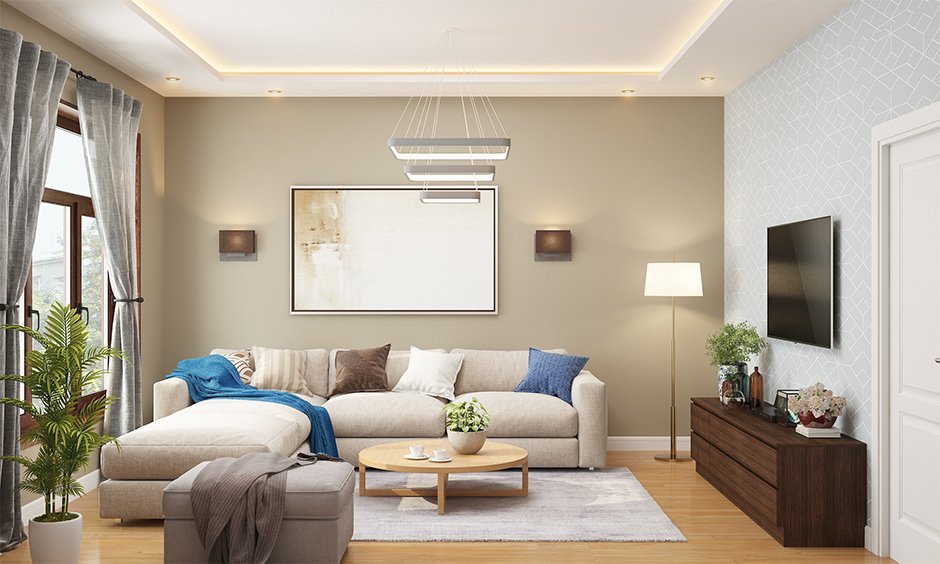
Slippery areas in the home—such as bathrooms, kitchens, entryways, and staircases—can pose a significant risk, especially in low-light conditions. Choosing the right lighting for slippery surfaces is a practical step toward reducing accidents and improving safety for everyone in your household. Proper illumination not only helps you see potential hazards but also creates a welcoming and functional environment.
This guide explores the most effective lighting strategies for areas prone to moisture and slickness, including product recommendations, placement tips, and maintenance advice. For additional insights on how illumination can help prevent mishaps, see our article on how to prevent accidents with lighting.
Why Proper Illumination Matters for Slippery Floors
Insufficient lighting is a leading factor in household slips and falls. When surfaces are wet or slick, shadows and dim corners can easily hide puddles, spills, or uneven flooring. By installing the right lighting for slippery surfaces, you make it easier to spot hazards before they become a problem.
- Increased visibility: Bright, even light reveals water, soap, or oil on floors.
- Improved navigation: Well-lit pathways help everyone move safely, especially at night.
- Enhanced confidence: Good lighting reduces hesitation and the risk of missteps.
For more on optimizing your home’s layout for safety, check out our tips on lighting placement for safety.
Types of Lighting to Consider for Wet or Slick Areas
Selecting the right fixture is crucial in areas where moisture or spills are common. Here are some of the most effective options for keeping slippery spots well-lit:
1. Recessed Ceiling Lights
Recessed fixtures are ideal for bathrooms, kitchens, and entryways. They provide broad, shadow-free illumination and are less likely to collect dust or moisture. Choose models rated for damp or wet locations to ensure longevity and safety.
2. Motion Sensor Night Lights
These lights automatically turn on when they detect movement, making them perfect for hallways, stairs, and bathrooms at night. They help prevent accidents by ensuring you never have to fumble for a switch in the dark.
3. Wall Sconces and Vanity Lights
Wall-mounted fixtures can brighten up vertical surfaces and reduce shadows near sinks, tubs, and mirrors. Sconces installed at eye level offer balanced lighting that helps you see both the floor and your surroundings clearly.
4. LED Strip and Under-Cabinet Lights
For kitchens and laundry rooms, LED strips under cabinets or along baseboards illuminate workspaces and floors. This extra layer of light makes it easier to spot spills or wet patches before they become a hazard.
To learn about different types of indoor lighting and their applications, see this comprehensive guide to indoor lighting types.

Where to Install Lighting for Maximum Safety
The placement of your fixtures is just as important as the type you choose. Here are some key locations to focus on when improving lighting for slippery surfaces:
- Bathrooms: Overhead lights and vanity fixtures reduce shadows near sinks, tubs, and toilets.
- Kitchens: Under-cabinet and ceiling lights illuminate countertops and floors where spills are likely.
- Entryways: Bright, welcoming lights help you see wet shoes, mats, or puddles near doors.
- Staircases: Wall sconces or step lights make each tread visible, reducing the risk of slips.
- Laundry Rooms: Overhead and task lighting reveal water or detergent on floors.
For more inspiration on brightening shadowy spots, visit our article on lighting ideas for dark areas.

Tips for Choosing and Maintaining Safe Lighting
When selecting fixtures for slick or damp areas, consider these practical tips:
- Choose damp- or wet-rated fixtures: Look for products specifically designed for bathrooms, kitchens, or outdoor use to ensure safety and durability.
- Opt for LED bulbs: LEDs are energy-efficient, long-lasting, and stay cool to the touch, reducing the risk of burns or overheating.
- Install dimmers or smart controls: Adjustable lighting lets you set the right brightness for every situation, from cleaning to relaxing.
- Keep fixtures clean: Regularly wipe down lights to remove dust, moisture, and grime that can reduce brightness or cause electrical issues.
- Test motion sensors: Ensure that sensor lights respond quickly and cover the necessary area, especially in high-traffic zones.
For more practical advice on creating a safe and comfortable home, see our guide to lighting tips for safety.
Common Mistakes to Avoid When Lighting Slippery Areas
Even with the best intentions, it’s easy to overlook important details. Here are some pitfalls to watch out for:
- Ignoring corners and transitions: Dim spots near doorways, corners, or the bottom of stairs can hide hazards.
- Using the wrong bulb color: Cool white or daylight bulbs (4000K–5000K) are best for clarity. Warm bulbs can make it harder to spot water or slickness.
- Over-lighting: Too much brightness can cause glare, making it difficult to see clearly. Use diffusers or frosted covers to soften harsh light.
- Neglecting regular maintenance: Burnt-out bulbs or dirty fixtures reduce effectiveness and can leave dangerous shadows.
FAQ: Lighting and Safety for Slippery Surfaces
What type of lighting is best for bathrooms and kitchens with slippery floors?
Damp- or wet-rated LED recessed lights are highly recommended for these areas. They provide broad, even illumination and are designed to withstand moisture. Motion sensor night lights are also useful for nighttime safety.
How can I improve visibility on stairs or entryways to prevent slips?
Install wall sconces, step lights, or motion-activated fixtures along staircases and entryways. Ensure that every step and landing is evenly lit, and avoid creating shadows or glare that could obscure hazards.
Are there smart lighting options for slippery areas?
Yes, many smart bulbs and fixtures offer features like motion detection, adjustable brightness, and remote control. These can be especially helpful in high-risk areas, allowing you to customize lighting based on time of day or activity.
Conclusion: Creating a Safer Home With Thoughtful Lighting Choices
Addressing the risks posed by slick floors starts with the right illumination. By focusing on targeted lighting for slippery surfaces, you can dramatically reduce the chance of accidents and make your home more comfortable for everyone. Remember to select fixtures rated for damp environments, place them strategically, and keep them well-maintained for the best results.
For a deeper dive into designing a safe and well-lit home, explore our resource on lighting design for safety.