
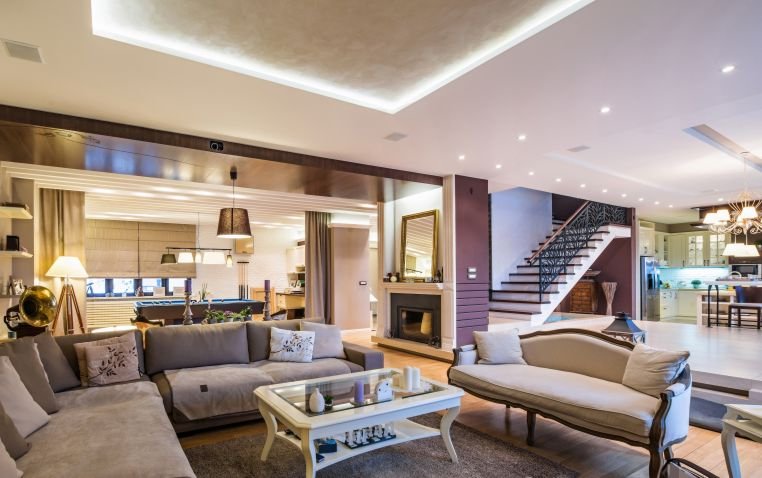
The way a home is illuminated plays a crucial role in keeping everyone safe. Proper lighting does more than just enhance the look of your living space—it helps prevent accidents, deters intruders, and makes everyday tasks easier and more secure. Understanding how lighting affects home safety is essential for anyone looking to create a safer environment for their family and guests.
Many homeowners overlook the impact of thoughtful lighting design. From preventing slips and falls to making sure every corner is visible at night, the right fixtures and placement can make a significant difference. This article explores practical strategies, key areas to focus on, and expert tips for improving safety through better illumination.
For a deeper understanding of the fundamentals, you can review what is home lighting to see how different types of illumination contribute to a safer indoor environment.
Why Proper Illumination Is Essential for a Safe Home
Good lighting is one of the most effective ways to reduce household hazards. Insufficient or poorly placed lights can lead to trips, falls, and other preventable injuries, especially for children, seniors, and anyone with limited mobility. By ensuring that walkways, stairs, and entry points are well-lit, you minimize the risk of accidents and make your home more welcoming.
Beyond accident prevention, strategic lighting also plays a role in home security. Well-lit exteriors discourage trespassers and make it easier to spot unusual activity. Indoors, motion-sensor lights can alert you to movement at night or in rarely used areas. These small changes can have a big impact on your sense of safety and peace of mind.
For more practical advice, check out these home lighting safety tips that every household should follow.
Key Areas Where Lighting Impacts Home Safety
To fully appreciate how lighting affects home safety, it’s important to focus on specific locations that benefit most from improved visibility. Here are some of the most critical areas:
- Entrances and Exits: Proper illumination at doors and pathways helps prevent trips and makes it easier to identify visitors.
- Staircases and Hallways: Bright, even lighting reduces the risk of falls and ensures safe passage, especially at night.
- Kitchens and Bathrooms: These spaces require focused lighting for tasks like cooking and cleaning, as well as to prevent slips on wet surfaces.
- Outdoor Spaces: Driveways, patios, and garages benefit from motion-activated or dusk-to-dawn lights to deter intruders and prevent accidents.
- Children’s Rooms and Elderly Areas: Night lights and soft, indirect fixtures help those who may need to get up during the night.
For a comprehensive overview of how to brighten your home safely, you might find the home lighting basics guide helpful.
Types of Lighting That Enhance Safety
Not all lights are created equal when it comes to safety. Choosing the right type for each area can make a significant difference. Here are a few options to consider:
- Ambient Lighting: Provides general illumination for a room, reducing shadows and making obstacles more visible.
- Task Lighting: Focuses light on specific areas where activities like reading, cooking, or working take place.
- Accent Lighting: Highlights architectural features or decor but can also be used to illuminate steps or uneven surfaces.
- Motion Sensor Lights: Automatically turn on when movement is detected, ideal for hallways, bathrooms, and outdoor spaces.
- Night Lights: Provide gentle illumination in bedrooms, bathrooms, or corridors to guide movement after dark.
To learn more about the different categories and their benefits, visit this comprehensive guide to lighting types.

Choosing the Right Bulbs and Fixtures for Security
Selecting appropriate bulbs and fixtures is a key step in making your home safer. LED lights are a popular choice due to their brightness, energy efficiency, and long lifespan. Recessed downlights, for example, offer broad coverage without creating glare or harsh shadows. Motion sensor night lights are another smart addition for hallways and bathrooms, providing illumination only when needed.
When choosing fixtures, prioritize those that are easy to operate and maintain. Consider dimmable options for bedrooms and living spaces, and weatherproof models for outdoor use. Placement is just as important as the type of fixture—ensure that lights are positioned to eliminate dark spots and highlight potential hazards.
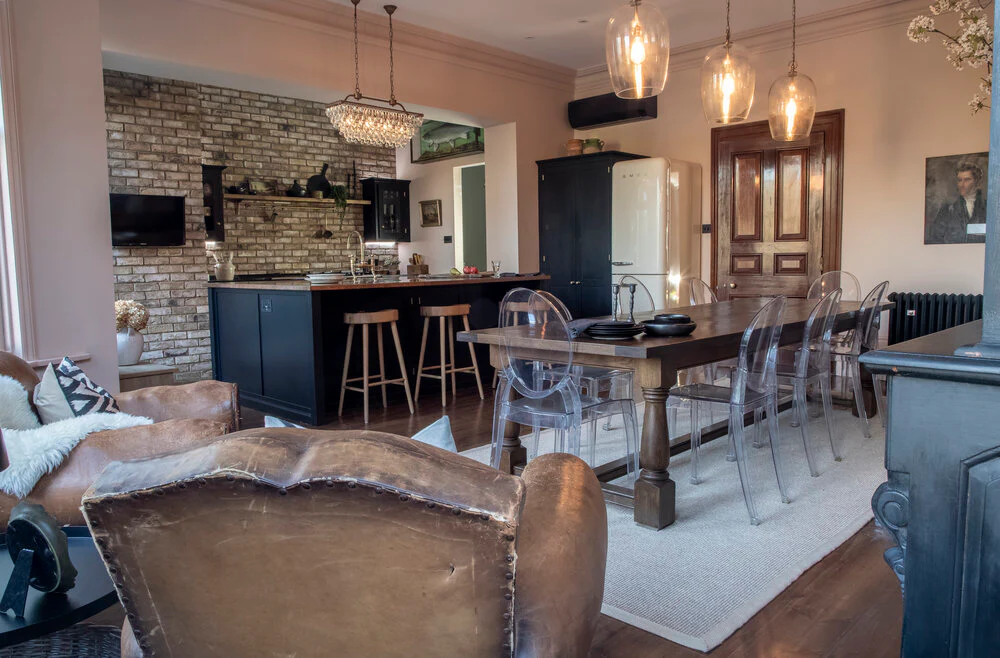
Simple Steps to Improve Lighting and Safety at Home
Enhancing your home’s safety through better lighting doesn’t have to be complicated. Here are some straightforward actions you can take:
- Assess Current Lighting: Walk through your home at night and note any areas that are dim or difficult to navigate.
- Upgrade to LEDs: Replace outdated bulbs with energy-efficient LEDs for brighter, more reliable light.
- Install Motion Sensors: Add motion-activated fixtures in hallways, staircases, and entryways to ensure lights are always on when needed.
- Add Night Lights: Place soft, low-level lights in bedrooms, bathrooms, and corridors to guide movement after dark.
- Maintain Fixtures: Regularly clean and check all lighting equipment to ensure optimal performance.
- Layer Lighting: Combine ambient, task, and accent lighting for balanced coverage and to eliminate shadows.
For more on why lighting is so important for comfort and visibility, see the article on the importance of home lighting.
Frequently Asked Questions
How does lighting help prevent accidents at home?
Adequate illumination reduces the risk of trips and falls by making obstacles and changes in floor level more visible. Well-lit stairs, hallways, and entryways are especially important for children, seniors, and anyone with mobility challenges.
What type of lighting is best for outdoor security?
Motion-activated LED lights are highly effective for outdoor areas. They provide bright light only when movement is detected, which can deter intruders and alert you to activity around your home. Weatherproof fixtures are recommended for durability.
Are LED lights safer than traditional bulbs?
Yes, LED bulbs are generally safer because they produce less heat, last longer, and offer consistent brightness. They are also more energy-efficient, making them a smart choice for both indoor and outdoor applications.
How often should I check my home lighting for safety?
It’s a good idea to inspect your lighting setup every few months. Replace any burnt-out bulbs promptly, clean fixtures to maximize brightness, and periodically review your lighting needs as your household changes.