
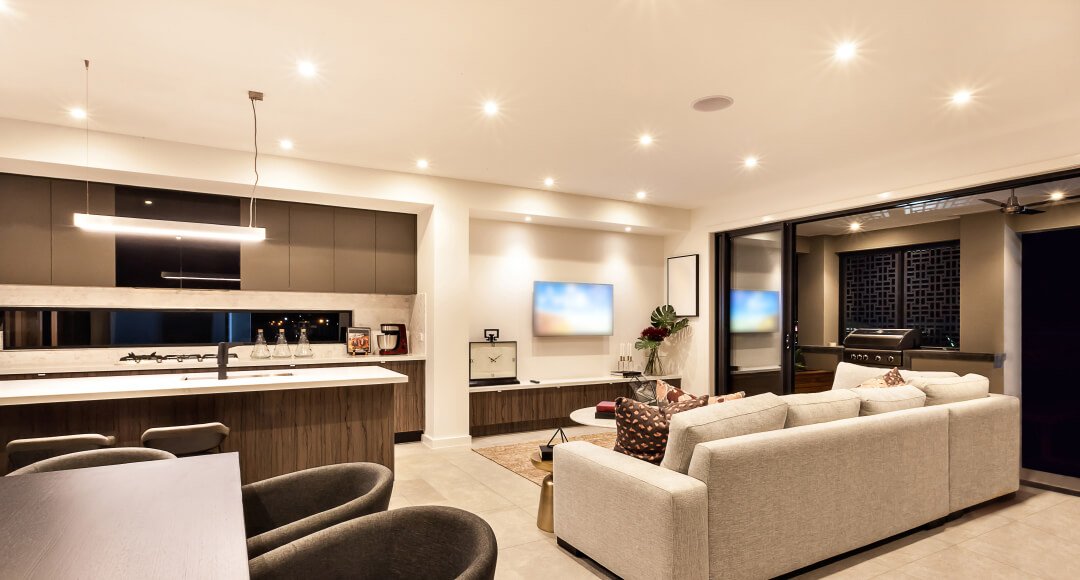
The importance of home lighting extends far beyond simple aesthetics. Thoughtful illumination impacts how we feel, how safely we move through our spaces, and how effectively we accomplish daily tasks. Whether you’re reading, cooking, or relaxing, the right lighting can make your home more welcoming and functional. This guide explores how lighting choices affect comfort, safety, and visibility, offering practical tips to help you create an environment that supports your lifestyle.
While many homeowners focus on furniture or color schemes, lighting is a foundational element that shapes the atmosphere and usability of every room. From preventing accidents to enhancing mood, the right fixtures and bulbs play a crucial role in daily life. Understanding the different types of lighting and their applications can help you make informed decisions for each area of your home.
For those interested in exploring the science behind different lighting options, you can find a helpful overview in this guide to various lighting types.
Enhancing Comfort with Thoughtful Illumination
A well-lit home is essential for creating a comfortable and inviting atmosphere. The importance of home lighting in this context lies in its ability to influence mood and support relaxation. Soft, warm lighting in living rooms and bedrooms can help reduce stress and promote a sense of calm. On the other hand, brighter, cooler lights in kitchens or bathrooms ensure that tasks are performed efficiently and safely.
Layering different types of lighting—ambient, task, and accent—allows you to tailor the environment to your needs. Ambient lighting provides general illumination, task lighting focuses on specific activities, and accent lighting highlights architectural features or décor. By combining these elements, you can create spaces that feel both functional and cozy.
Dimmable fixtures and smart bulbs offer additional flexibility, letting you adjust brightness and color temperature to suit different times of day or activities. This adaptability is key to maintaining comfort throughout your home.

Promoting Safety Through Effective Lighting Choices
Safety is a fundamental aspect of the importance of home lighting. Proper illumination helps prevent accidents by making hazards visible and ensuring that pathways are clear. Inadequate lighting in stairwells, hallways, or entryways increases the risk of trips and falls, especially for children, older adults, or guests unfamiliar with your home’s layout.
Installing motion-activated lights in high-traffic areas or outdoors can deter intruders and provide peace of mind. Night lights in bedrooms, bathrooms, and corridors make nighttime navigation safer without disrupting sleep. For families with young children or elderly members, these simple additions can significantly reduce the likelihood of accidents.
Exterior lighting is equally important. Well-lit driveways, porches, and walkways not only enhance curb appeal but also improve security by eliminating dark spots where unwanted visitors might hide. Choosing energy-efficient LED fixtures ensures that safety measures do not result in high utility bills.
Improving Visibility for Everyday Activities
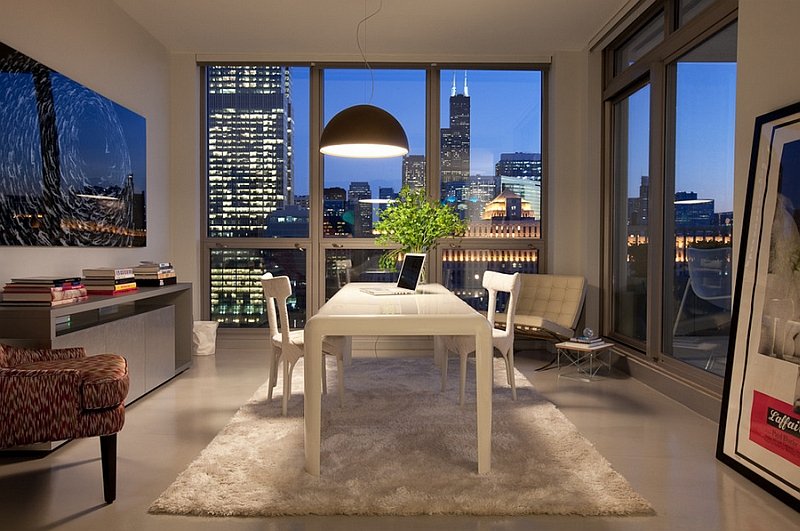
Good visibility is crucial for performing daily tasks efficiently and comfortably. The importance of home lighting becomes especially clear in areas where precision is required, such as kitchens, home offices, or workshops. Insufficient lighting can lead to eye strain, headaches, and reduced productivity.
Task lighting—such as under-cabinet lights in kitchens or desk lamps in workspaces—ensures that work surfaces are well illuminated. Adjustable fixtures allow you to direct light exactly where it’s needed, minimizing shadows and glare. In living rooms or bedrooms, reading lamps and bedside sconces provide focused light for hobbies or relaxation without disturbing others.
Choosing the right color temperature also affects visibility. Cooler, white light is ideal for tasks that require attention to detail, while warmer tones create a more relaxed environment. By matching lighting types to specific activities, you can enhance both comfort and efficiency throughout your home.
Choosing the Right Fixtures and Bulbs
Selecting appropriate fixtures and bulbs is a key part of optimizing your home’s lighting. Consider the size and function of each room, as well as the desired ambiance. For general lighting, ceiling-mounted fixtures or recessed lights provide broad coverage. Pendant lights and chandeliers add style and focus to dining areas or entryways.
When it comes to bulbs, energy-efficient LEDs offer long lifespans and a range of color temperatures. They are suitable for most applications and can help reduce electricity costs. Smart bulbs add convenience by allowing you to control brightness and color from your phone or through voice commands.
Don’t overlook the role of natural light. Maximizing daylight with well-placed windows and reflective surfaces can reduce the need for artificial lighting during the day, contributing to both comfort and energy savings.
Frequently Asked Questions
How does lighting affect mood and well-being?
Lighting has a significant impact on mood and mental health. Warm, soft lighting can promote relaxation and reduce stress, while harsh or insufficient lighting may contribute to fatigue or irritability. Adjusting lighting levels and color temperatures to match activities and times of day supports overall well-being.
What are the best lighting solutions for improving home safety?
Motion-activated lights, night lights, and well-placed exterior fixtures are effective for enhancing safety. These solutions help prevent accidents by illuminating pathways and deterring intruders. Energy-efficient LEDs are recommended for their reliability and low operating costs.
How can I make my home lighting more energy efficient?
Switching to LED bulbs, using dimmers, and incorporating smart lighting systems are effective ways to increase energy efficiency. Maximizing natural light and turning off lights when not in use also contribute to lower energy consumption.