
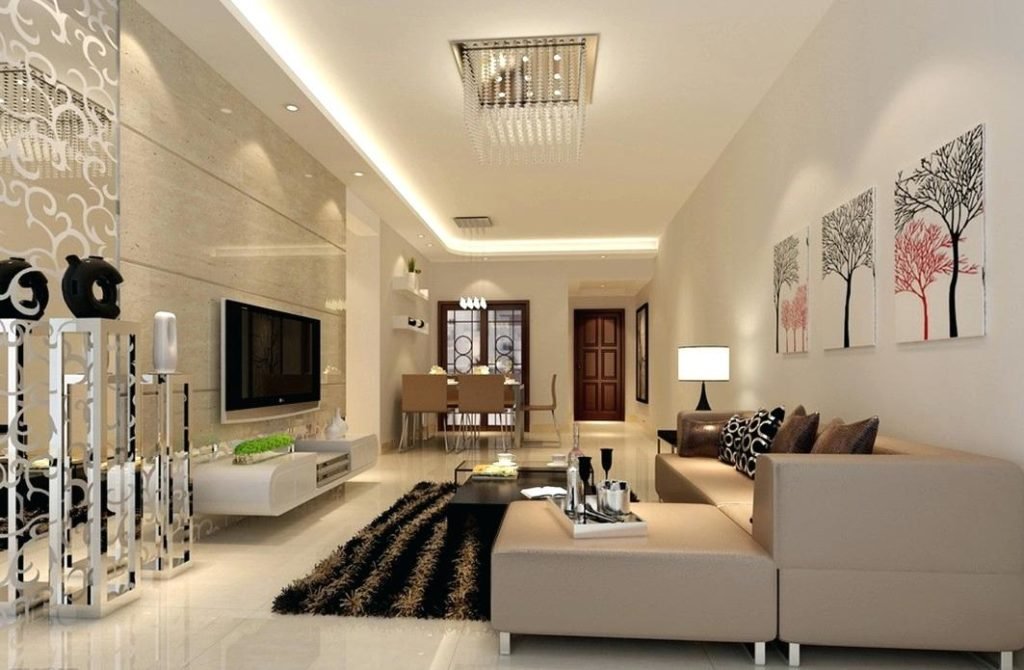
Creating a well-lit home is about more than just aesthetics. The right lighting can improve safety, boost mood, and make everyday tasks easier. Whether you’re updating a single room or planning a whole-house refresh, understanding home lighting basics will help you make informed choices for every space. This guide covers the fundamental principles, practical strategies, and key products to consider for a brighter, safer living environment.
When planning your lighting, keep in mind that a layered approach—combining ambient, task, and accent lighting—delivers the best results. Each layer serves a unique purpose, and together, they create a comfortable, functional atmosphere. Early in your planning process, it’s also helpful to consult resources like this overview of home lighting types for additional inspiration and technical details.
Understanding the Fundamentals of Home Lighting
At the core of every effective lighting plan are three main types of illumination: ambient, task, and accent. Grasping these home lighting basics ensures you can tailor your setup to suit each room’s needs.
- Ambient Lighting: This is the primary source of light in a room, providing overall illumination. Ceiling fixtures, chandeliers, and recessed lights are common examples.
- Task Lighting: Focused light that makes specific activities easier, such as reading, cooking, or grooming. Desk lamps, under-cabinet strips, and vanity lights fall into this category.
- Accent Lighting: Used to highlight architectural features, artwork, or décor. Wall sconces, picture lights, and LED strips can all serve as accent sources.
By combining these layers, you achieve a balanced, adaptable environment that meets both practical and decorative goals.
Choosing the Right Bulbs and Fixtures
Modern lighting offers a wide range of options, from energy-efficient LEDs to smart bulbs with customizable color temperatures. When selecting bulbs and fixtures, consider:
- Brightness: Measured in lumens, brightness should match the room’s function. Living rooms and kitchens benefit from higher lumens, while bedrooms and hallways can use softer lighting.
- Color Temperature: Expressed in Kelvins (K), warmer tones (2,700–3,000K) create a cozy atmosphere, while cooler tones (4,000–5,000K) are ideal for workspaces.
- Energy Efficiency: LEDs use less power and last much longer than traditional incandescent bulbs, making them a smart choice for most homes.
- Fixture Style: Choose fixtures that complement your décor and provide the right type of light for the space.

Layering Light for Comfort and Functionality
One of the most effective home lighting basics is to layer different types of light. This approach allows you to adjust illumination levels for various activities and times of day. Here’s how to apply this strategy in key areas:
Living Areas
Combine ceiling fixtures for general light, floor or table lamps for reading, and accent lights to highlight artwork or architectural features. Dimmers can add flexibility, letting you set the mood for entertaining or relaxing.
Kitchens and Workspaces
Bright, even lighting is essential for safety and efficiency. Use recessed lights or track lighting for ambient coverage, and add under-cabinet strips or pendant lights above work surfaces for focused task illumination.
Bedrooms and Relaxation Zones
Opt for softer, warmer lighting to promote relaxation. Bedside lamps, wall sconces, and subtle accent lights help create a calming atmosphere while still providing enough light for reading or dressing.

Lighting for Safety and Accessibility
Proper illumination is crucial for preventing accidents and making your home more accessible. Here are some strategies to enhance safety:
- Entryways and Hallways: Ensure these areas are well-lit to avoid trips and falls. Motion sensor night lights are a convenient solution for nighttime navigation.
- Staircases: Use wall-mounted fixtures or step lights to clearly define each tread.
- Bathrooms: Install bright, even lighting around mirrors and in showers to reduce shadows and improve visibility.
- Outdoor Spaces: Pathway lights, porch fixtures, and security lighting help keep exterior areas safe after dark.
For families with children or older adults, consider adding night lights in bedrooms, hallways, and bathrooms. These small additions can make a significant difference in safety and comfort.
Smart Lighting and Energy Efficiency
Recent advances in smart home technology make it easier than ever to control your lighting and reduce energy consumption. Smart bulbs and switches allow you to adjust brightness, set schedules, and even change color temperature from your phone or voice assistant. Pairing these with energy-efficient LEDs maximizes both convenience and savings.
Some smart systems also include occupancy sensors, which automatically turn lights on or off based on movement. This feature is especially useful in spaces like closets, laundry rooms, and bathrooms, where lights are often left on unintentionally.
Maintenance and Upkeep
To keep your lighting system performing at its best, regular maintenance is essential. Clean fixtures and bulbs periodically to remove dust and grime, which can dim light output. Replace burned-out bulbs promptly, and check that all switches and dimmers are functioning correctly. For outdoor fixtures, ensure weatherproofing is intact to prevent electrical issues.
Frequently Asked Questions
What is the best way to choose lighting for each room?
Start by considering the room’s primary function. Use a mix of ambient, task, and accent lighting to address different needs. For example, kitchens and workspaces benefit from bright, focused light, while bedrooms and living areas do well with softer, layered illumination.
How can I make my home lighting more energy efficient?
Switch to LED bulbs, which use less power and last longer than traditional options. Incorporate smart switches or timers to reduce unnecessary usage, and take advantage of natural light whenever possible.
Are motion sensor lights a good choice for safety?
Yes, motion sensor night lights are excellent for hallways, bathrooms, and entryways. They provide illumination only when needed, which helps prevent accidents and saves energy.