
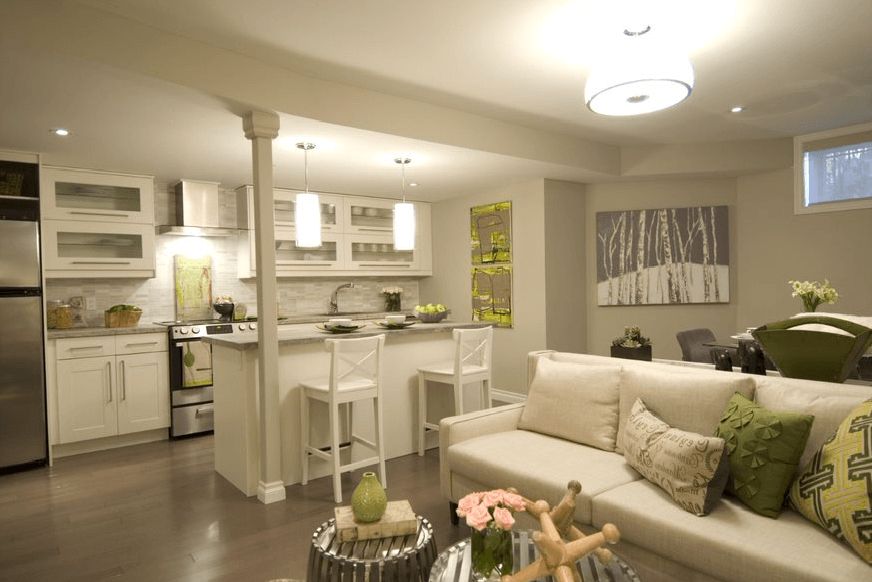
Understanding what is home lighting is essential for anyone looking to create a comfortable, functional, and inviting living space. Indoor illumination goes far beyond simply placing a few lamps around your rooms. It involves choosing the right types of lights, arranging them thoughtfully, and considering how each fixture affects the mood, safety, and usability of your home. Whether you’re renovating, redecorating, or just curious about improving your environment, learning the basics of home lighting can make a significant difference.
In this article, you’ll discover the main types of lighting used indoors, practical tips for choosing fixtures, and how to combine different sources for the best results. We’ll also highlight current trends and answer common questions to help you make informed decisions. For a deeper dive into the various options available, you can explore this comprehensive overview of indoor lighting types.
The Basics of Indoor Lighting Explained
At its core, home lighting refers to the strategic use of artificial light sources to illuminate the interior of a residence. The goal is to provide adequate brightness for daily activities, enhance the visual appeal of rooms, and contribute to the overall atmosphere. Good lighting design considers both the functional and aesthetic needs of each space, balancing brightness, color temperature, and fixture style.
There are three primary categories of indoor lighting:
- Ambient lighting: The main source of light in a room, providing general illumination.
- Task lighting: Focused light for specific activities such as reading, cooking, or working.
- Accent lighting: Decorative or directional lights used to highlight features, artwork, or architectural details.
By layering these types, you can achieve a balanced and flexible lighting scheme that adapts to different needs and times of day.
Types of Fixtures for Every Room
Choosing the right fixtures is a key part of effective indoor illumination. Each room may require a different approach based on its function and layout. Here are some common options:
- Ceiling lights: Including flush mounts, semi-flush mounts, and chandeliers, these provide broad, even light for general use.
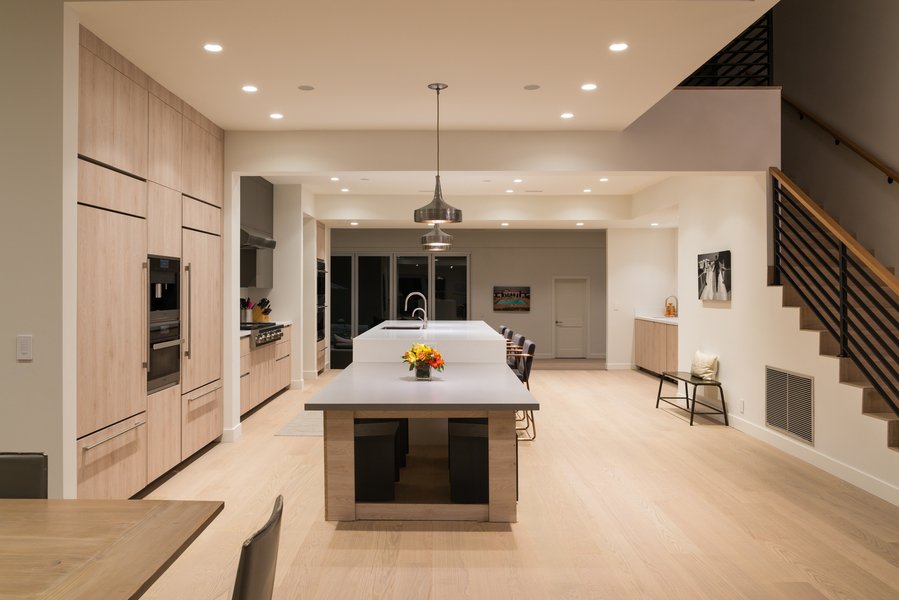
- Recessed lights: Installed into the ceiling for a clean look, ideal for kitchens, hallways, and living areas.
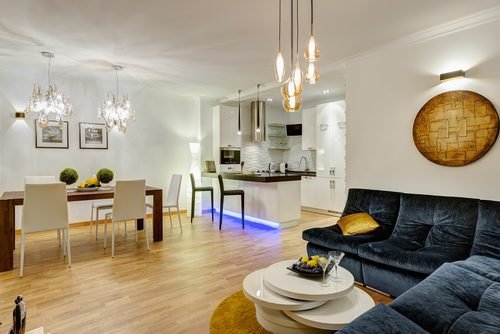
- Pendant lights: Hanging fixtures that work well over dining tables, kitchen islands, or entryways.
- Wall sconces: Mounted on walls, they add both ambient and accent light, perfect for hallways or beside beds.
- Table and floor lamps: Portable and versatile, these are great for task lighting or adding warmth to seating areas.
- Under-cabinet lights: Common in kitchens, they illuminate countertops for food prep and cooking.
How to Choose the Right Lighting for Your Home
Selecting the best lighting setup involves more than picking out attractive fixtures. Consider these factors to ensure your choices meet both practical and decorative needs:
- Room function: Think about how the space is used. Kitchens and bathrooms require bright, focused light, while bedrooms and living rooms benefit from softer, adjustable options.
- Natural light: Assess how much daylight the room receives. Supplement with artificial sources as needed, especially in windowless or north-facing areas.
- Fixture placement: Position lights to minimize shadows and glare. Layering different types helps avoid dark corners and creates visual interest.
- Color temperature: Choose bulbs with a color temperature that matches the room’s mood. Warm white (2700K–3000K) is cozy and inviting, while cool white (4000K–5000K) is energizing and crisp.
- Energy efficiency: Opt for LED bulbs and fixtures to save on electricity and reduce maintenance.
Current Trends in Indoor Illumination
Modern lighting design is about more than just function—it’s also an opportunity to express personal style and embrace new technology. Some popular trends include:
- Smart lighting: Systems that can be controlled via smartphone or voice assistant, allowing for customizable scenes and schedules.
- Minimalist fixtures: Sleek, unobtrusive designs that blend seamlessly with contemporary interiors.
- Statement pieces: Bold chandeliers, sculptural pendants, or colorful lamps that serve as focal points.
- Layered lighting: Combining ambient, task, and accent sources for flexibility and depth.
- Sustainable materials: Fixtures made from recycled or eco-friendly components.
Tips for Improving Your Indoor Lighting
Upgrading your home’s illumination doesn’t have to be complicated or expensive. Here are some straightforward ways to enhance your environment:
- Layer your lighting: Use a mix of ambient, task, and accent sources to create depth and flexibility.
- Install dimmers: Adjustable switches let you control brightness and set the mood for different occasions.
- Update to LEDs: Replace old bulbs with energy-efficient LEDs for longer life and lower bills.
- Highlight features: Use spotlights or track lighting to draw attention to artwork, plants, or architectural details.
- Consider motion sensors: Especially useful for hallways, closets, and bathrooms, these add convenience and save energy.
Frequently Asked Questions
What are the main benefits of good home lighting?
Effective lighting improves visibility, safety, and comfort. It can also enhance the appearance of your rooms, support daily activities, and even influence your mood and productivity.
How do I choose the right bulb for each room?
Consider the room’s function and desired atmosphere. Use brighter, cooler bulbs for kitchens and workspaces, and warmer, softer bulbs for bedrooms and living areas. Always check the fixture’s recommended wattage and size.
Is it worth switching to LED lighting?
Yes, LEDs are highly energy-efficient, last much longer than traditional bulbs, and are available in a wide range of colors and brightness levels. They can help lower your energy bills and reduce the frequency of replacements.
Where can I learn more about different types of indoor lighting?
For a detailed breakdown of various lighting types, fixtures, and their uses, visit this guide to indoor lighting options.